Leave Your Message
Engineered to integrate seamlessly into high-speed surface mount technology lines, these essential components ensure stable pneumatic control, robust indexing, and accurate component handling.
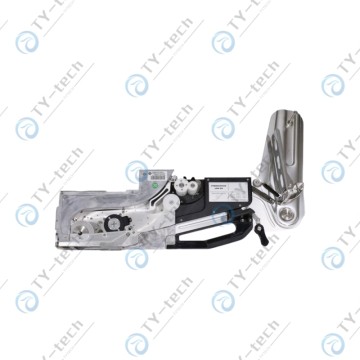
In the high-speed, micro-precision environment of modern Surface Mount Technology (SMT), even the smallest mechanical component plays a massive role in overall equipment effectiveness (OEE). The SMT Feeder Spring is a prime example of such a critical element. Tasked with providing consistent mechanical tension and return force, the feeder spring is directly responsible for the precise indexing of component tapes. Whether handling micro-passives like 01005 chips or larger integrated circuits, feeder springs ensure that the tape cover is peeled back smoothly and the component carrier tape advances without vibration or backlash.
During the pick-and-place cycle, the mounter's head descends to vacuum-pick components at rates exceeding tens of thousands of placements per hour (CPH). If the feeder spring suffers from fatigue, tension loss, or micro-deformation, the tape indexing becomes inconsistent. This results in component shifting, flipping, or misalignment within the pocket. The placement head may fail to locate the component center, leading to immediate mispicks, nozzle clogging, or worse, incorrect placements on the PCB that bypass initial optical checks, resulting in costly rework or field failures.
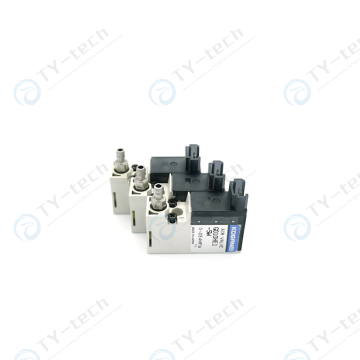
Furthermore, the synergy between pneumatic solenoid valves and mechanical feeder assemblies is highly dependent on spring dynamics. For instance, when using a high-performance valve like the Yamaha SMT Mounting Solenoid Valve 5W KGA-M37P0-00X, the air blowing and shutter actuation must align perfectly with the spring's mechanical return cycle. Any mismatch in timing caused by a weakened spring leads to erratic tape feeding and pneumatic turbulence, which compromises component stability before pick-up.
SMT nozzles are the direct interface between the placement machine and the electronic component. To achieve high-yield assembly, the nozzle must not only pick the component securely but also place it onto the solder paste with controlled force. This Z-axis compliance is achieved via precision internal nozzle springs. Over millions of cycles, these springs experience mechanical fatigue, leading to a reduction in their spring constant (k-value) and cushioning ability.
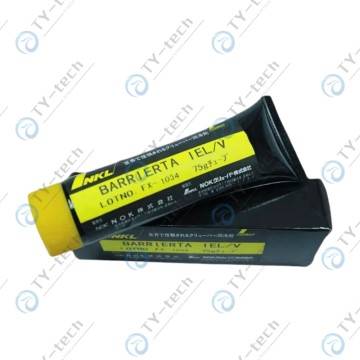
To combat these issues, precision maintenance protocols require periodic spring inspections and the application of high-grade lubricants. Products like the Panasonic Maintenance Oil KXF05PLAA00 75G are specifically formulated to reduce friction in moving feeder slides and nozzle shafts, preventing micro-seizure and ensuring that the springs compress and decompress smoothly without stick-slip anomalies.
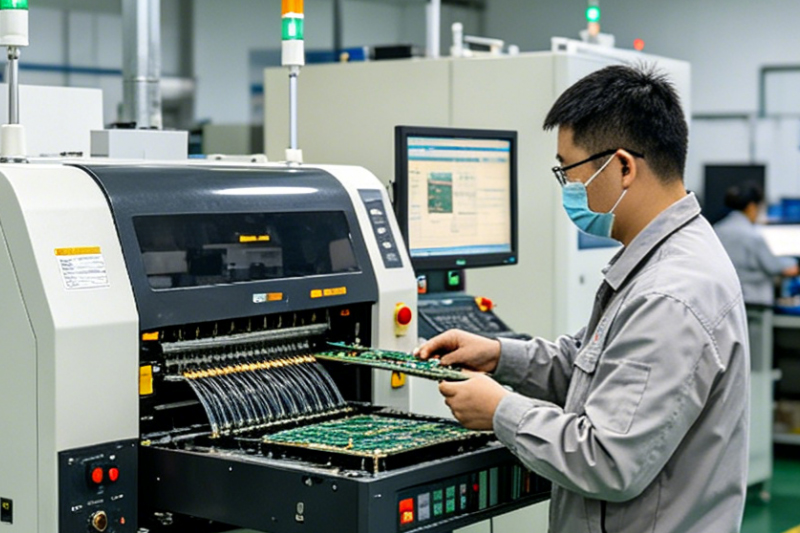
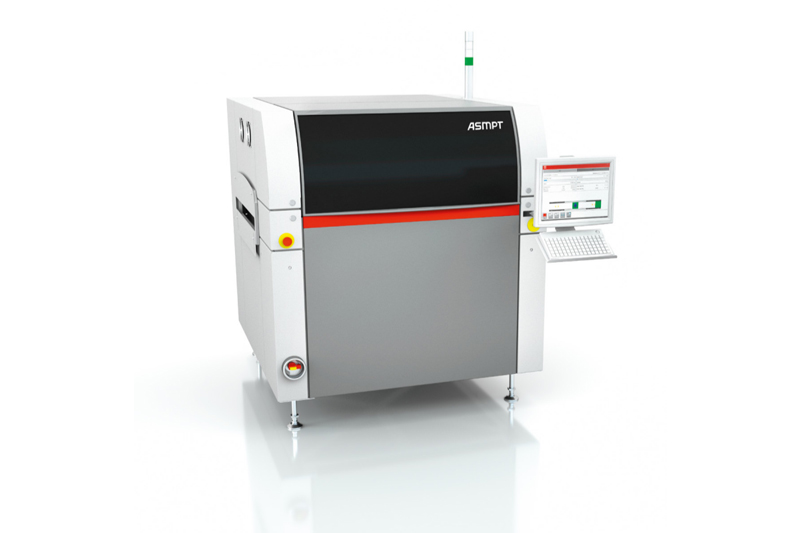
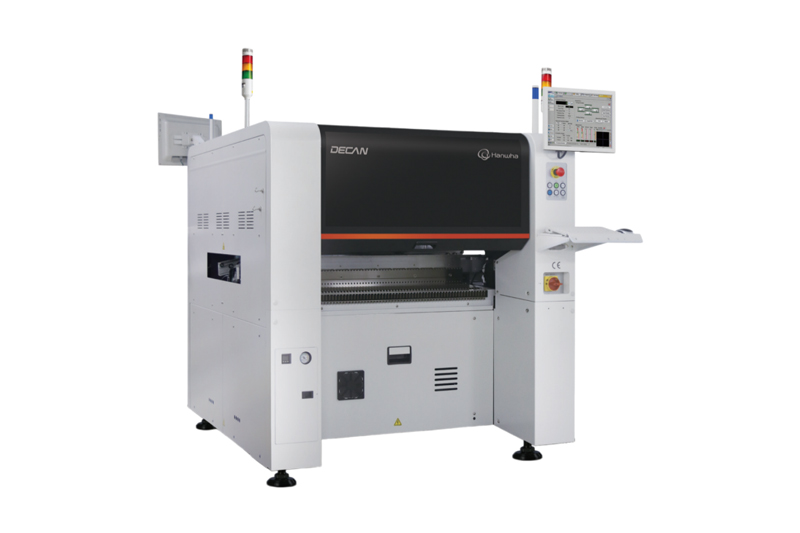
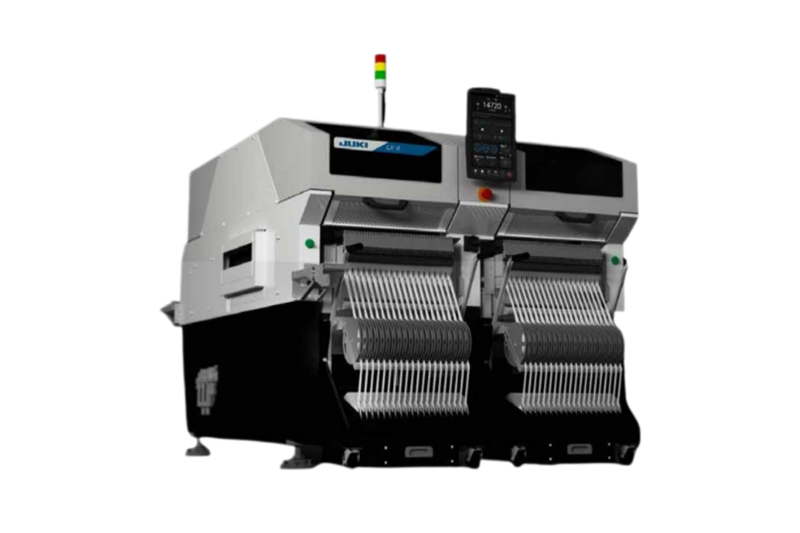
Explore our state-of-the-art production, calibration, and quality control departments. We employ advanced testing equipment to ensure every feeder spring, motor, and solenoid valve meets strict industrial standards.




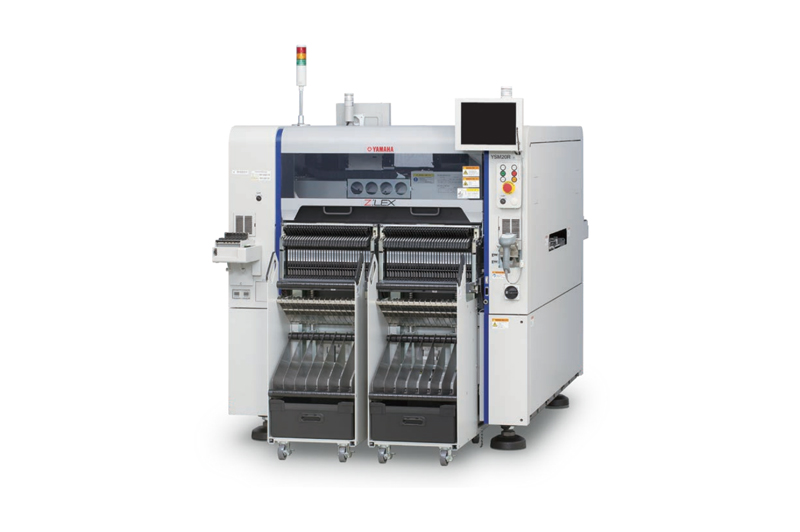





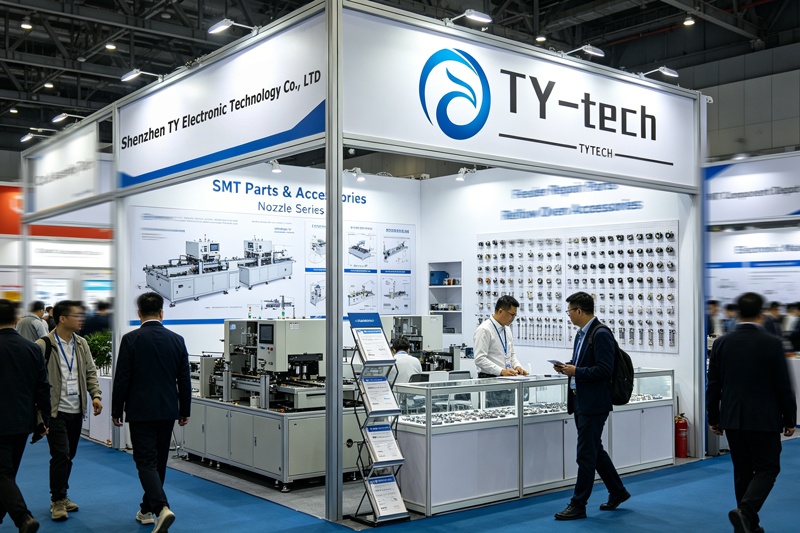
The electronics manufacturing services (EMS) sector is undergoing a massive transition toward Industry 4.0. Intelligent SMT feeders are now equipped with onboard microcontrollers and sensors that track the number of cycles performed. However, regardless of how smart the electronic tracking is, the underlying mechanical actuation still relies on physical springs. High-cycle fatigue is the primary failure mode for these mechanical systems. Upgrading to premium alloy feeder springs with optimized spring rates allows smart feeders to operate reliably for millions of additional cycles before requiring calibration.
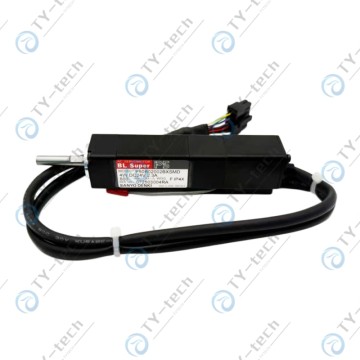
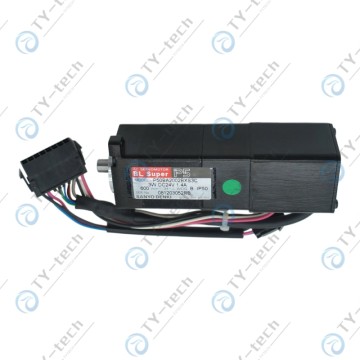
Modern pick-and-place equipment from brands like Panasonic and Hanwha relies on high-torque servo motors to drive the tape pitch. For example, the Panasonic N510043455AA 3W Servo Motor and the Panasonic MTNM000172AA/N510042809AB 4W Servo Motor provide precise rotational displacement. However, to translate this rotational force into smooth linear tape movement, the feeder's internal linkage must have zero backlash. High-tension return springs absorb the mechanical play between the gears and the tape holder, ensuring that the motor's precision is fully realized at the tape level.
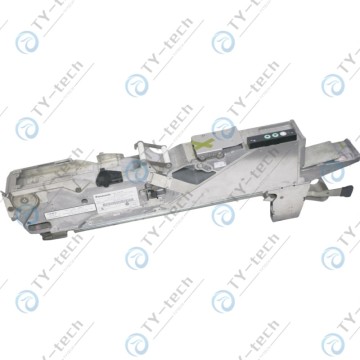
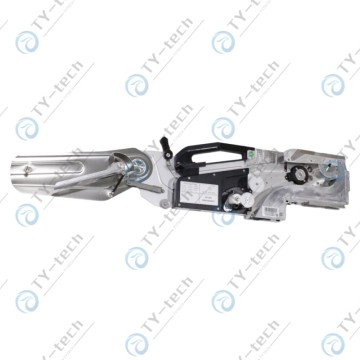
In heavy-duty applications, such as feeding large-size components using the Hanwha SME 56mm IT Feeder SBFB51108K or the Panasonic Dual-Width Tape Feeder KXFW1KS8a00, the physical inertia of the component tape is substantially higher. Standard springs will stretch or deform under these loads, leading to positioning lag. Upgraded heavy-duty feeder springs maintain consistent tension even under the high g-forces generated by rapid pitch transitions, preventing tape slippage and maintaining placement accuracy.
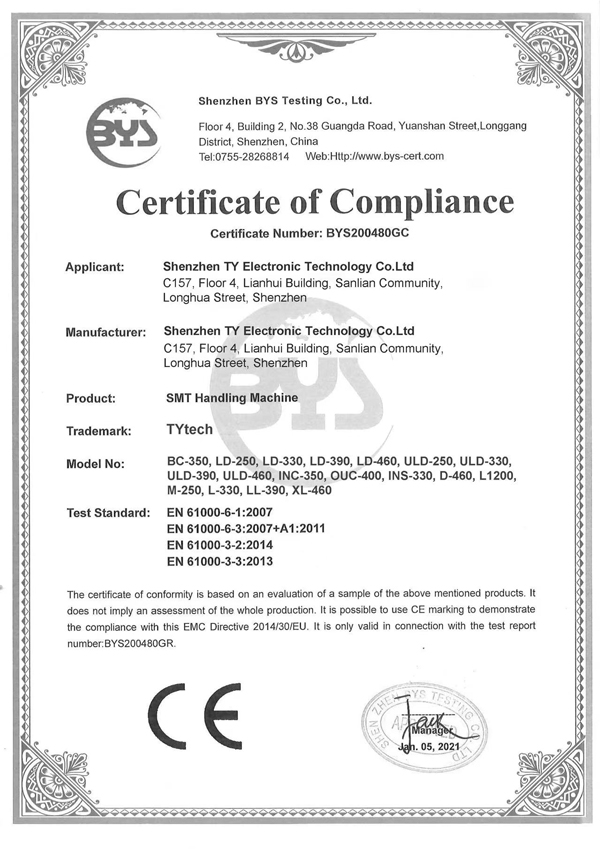
Our commitment to precision is backed by globally recognized quality management systems. Every SMT spare part, feeder accessory, and maintenance tool is manufactured to meet or exceed OEM specifications.
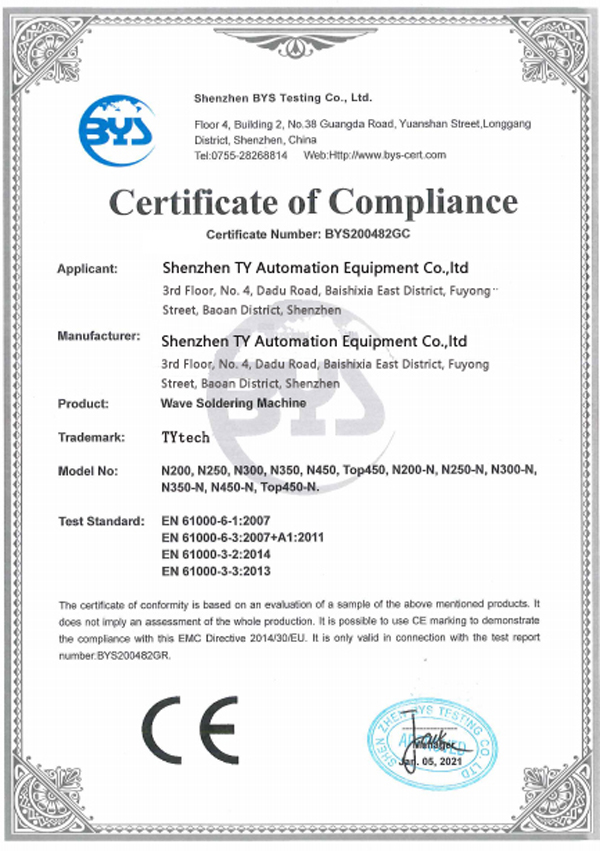
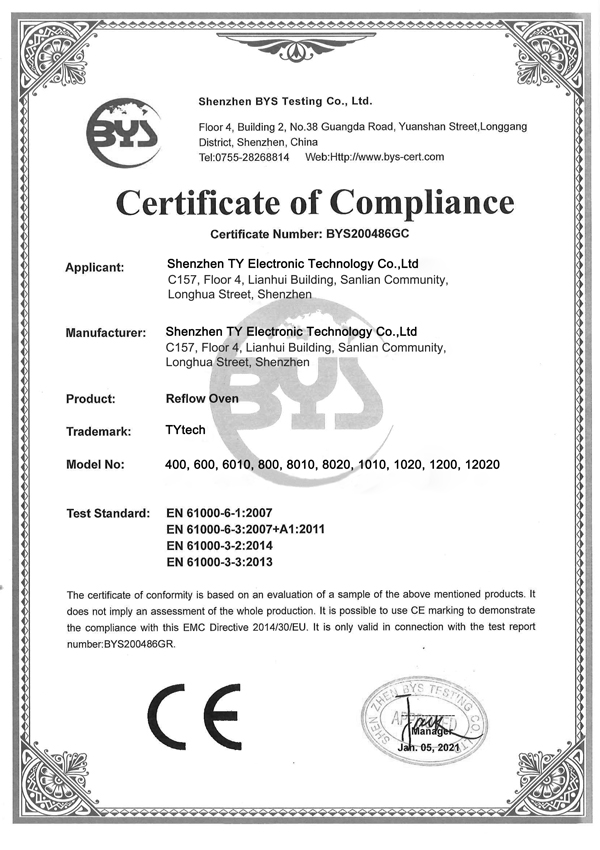

Implementing a rigorous Preventive Maintenance (PM) program is the most cost-effective strategy to minimize unplanned downtime on SMT assembly lines. A single line stoppage can cost manufacturers thousands of dollars per hour. By focusing on critical wear items like feeder springs, gears, and valves, engineers can prevent issues before they manifest as placement errors.
1. Visual Inspection: Check the feeder tape shutter and indexing pin for mechanical play. Inspect the spring coils for signs of corrosion, micro-cracking, or pitch deformation.
2. Tension Testing: Utilize a force gauge to measure the return force of the feeder spring. If the force deviates by more than 10% from the OEM specification, replace the spring immediately.
3. Pneumatic Check: Inspect solenoid valves (such as the Yamaha 5W KGA-M37P0-00X) for response time and air leakages. Ensure clean, dry air is supplied to prevent pneumatic cylinder binding.
4. Lubrication: Clean old grease and metal shavings from the slide tracks. Apply a micro-layer of Panasonic Maintenance Oil KXF05PLAA00 to the sliding surfaces and spring guide pins to ensure low friction and smooth actuation.
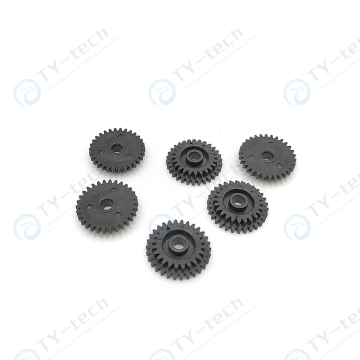
5. Gear and Motor Alignment: Inspect gears like the KHJ-MC155-00 P5 Deceleration Gear for tooth wear. Ensure the speed regulation for waste tape winding is synchronized with the main feeder drive motor to prevent tape tension spikes.
By upgrading to premium, fatigue-resistant feeder springs and using matched SMT motors, solenoid valves, and lubrication oils, electronics manufacturers can significantly extend their PM intervals, improve first-pass yield (FPY), and reduce the total cost of ownership (TCO) of their pick-and-place assets.
Explore our comprehensive range of high-performance SMT parts designed to upgrade the speed, reliability, and precision of your Yamaha, Panasonic, and Hanwha mounters.