Leave Your Message
In modern electronic manufacturing services (EMS), Surface Mount Technology (SMT) serves as the backbone of high-speed, high-precision circuit board assembly. The efficiency of a placement line relies heavily on the continuous, error-free operation of SMT pick-and-place machines. Among the array of complex mechanical and pneumatic assemblies, the SMT feeder is the critical entry point for electronic components. It must deliver hundreds of thousands of micro-sized capacitors, resistors, and ICs per hour to the pick-up position with sub-millimeter accuracy.
Behind this continuous movement lies a small but indispensable component: the feeder spring. Whether it is responsible for returning the tape indexing lever, holding down the cover tape shutter, or maintaining tension on the tape-advance mechanism, the feeder spring ensures mechanical synchronization. Despite its vital function, the feeder spring is a high-wear spare part subject to constant physical stress. Understanding how feeder springs wear out, recognizing the symptoms of degradation, and executing timely replacements is essential for maximizing yield rates and minimizing line downtime.
A single SMT feeder operates under intense cyclic motion, executing thousands of pick cycles every hour. The feeder spring provides the essential mechanical force required to return levers, secure carrier tape, and maintain consistent tension. When a spring loses its tension, the entire feeding mechanism drifts out of calibration, leading to expensive component pick failures.
The global SMT placement equipment market is undergoing rapid evolution, driven by the demand for miniaturized consumer electronics, advanced automotive driver-assistance systems (ADAS), and IoT devices. As components shrink to 0201 and even 01005 footprints, the margin for error in component feeding has practically vanished. Consequently, the demand for high-reliability feeder spare parts has skyrocketed.
Commercially, electronics manufacturers are constantly balancing the cost of OEM (Original Equipment Manufacturer) spare parts against high-quality aftermarket alternatives. Feeder springs, although relatively inexpensive compared to high-end nozzles or laser sensors, carry massive risk weight. If a $2 spring fails during a production run, it can halt a multi-million dollar SMT assembly line, costing thousands of dollars in lost productivity per hour. This reality has created a robust industrial supply chain focused on precision-engineered replacement springs that offer comparable or superior cycle life to original components.
Feeder springs operate under harsh conditions characterized by continuous high-speed cycling, vibration, and exposure to chemical residues. Over time, several wear mechanisms degrade their performance:
To understand the exact requirements of feeder spring replacement, we must examine the specific mechanical roles they play in various feeder designs:
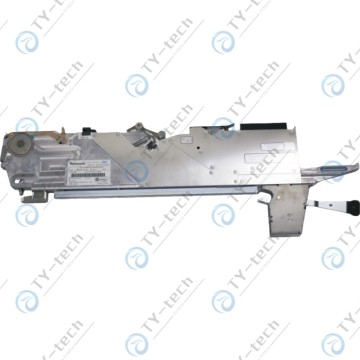
In traditional mechanical feeders, such as the widely used Yamaha CL series, the feeding cycle is driven by the physical movement of the placement head pushing down on the feeder lever. A heavy-duty return spring is responsible for pulling the lever back to its resting position once the head retracts. If this spring weakens, the lever returns slowly or incompletely, causing the feeder to miss the next indexing cycle. This results in "no component" errors and immediate machine stoppage.
In electric and pneumatic feeders, such as those used on Panasonic NPM and Fuji NXT platforms, micro-springs control the shutter mechanism that exposes the component pocket just before the nozzle descends. The shutter must open and close with millisecond precision. A spring with incorrect tension will either fail to close the shutter fully (allowing components to jump out of their pockets due to vibration) or fail to open it completely, leading to nozzle collisions.
As the feeder advances the carrier tape, the cover tape must be peeled off and wound onto a waste wheel. Tension springs ensure that the take-up wheel maintains constant pulling force regardless of the reel's changing diameter. Inconsistent tension leads to loose cover tape, which can snag in the machine's moving axes.
The SMT industry is transitioning from purely mechanical components to intelligent, sensor-driven ecosystems. This shift is reshaping how spare parts like feeder springs are designed and managed:
To maintain high placement yields, electronics manufacturers must implement structured maintenance protocols. The following steps outline an effective approach to managing feeder spring wear:
1. Scheduled Inspections: Feeder springs should be visually inspected during routine maintenance cycles (typically every 500,000 components fed). Technicians should check for signs of coil distortion, rust, or accumulated debris.
2. Quantitative Tension Testing: Instead of relying on visual checks alone, maintenance departments should use tension gauges to measure the spring force. If the force drops below 90% of the manufacturer's specification, the spring should be replaced immediately.
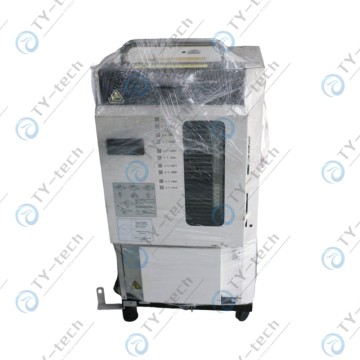
3. Utilizing Calibration Equipment: Post-replacement calibration is crucial. Utilizing advanced calibration systems like the Panasonic 10-Station Feeder Calibrator NM-EJW8A ensures that the feeder’s mechanical alignment, tape advancement, and spring tension are perfectly synchronized before the feeder is returned to the production line.
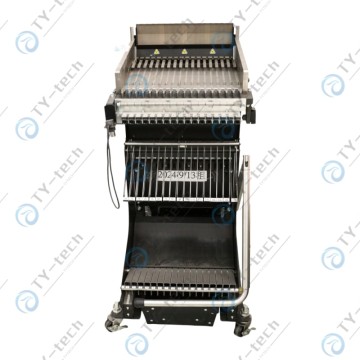
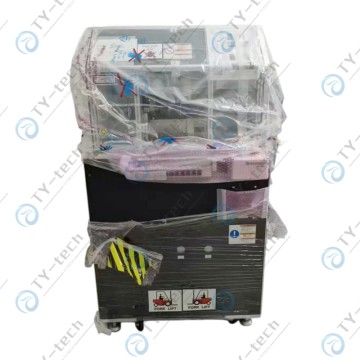
4. Using Dedicated Maintenance Fixtures: During repair, feeders should be securely mounted on fixtures such as the Yamaha Feeder Fixing Tray. This prevents mechanical distortion of the feeder frame while springs and gears are being replaced, preserving critical tolerances.
When sourcing replacement feeder springs, purchasing departments are often tempted by low-cost options. However, a comprehensive Total Cost of Ownership (TCO) analysis reveals that quality is paramount. A cheap, poorly tempered spring may fail after 100,000 cycles, whereas a high-grade precision spring can easily exceed 2,000,000 cycles.
Furthermore, substandard springs often exhibit inconsistent spring rates, leading to intermittent pick errors that are notoriously difficult for technicians to diagnose. Investing in high-quality spare parts from reputable suppliers ensures consistent mechanical performance, high pickup rates, and long-term stability for your SMT production lines.

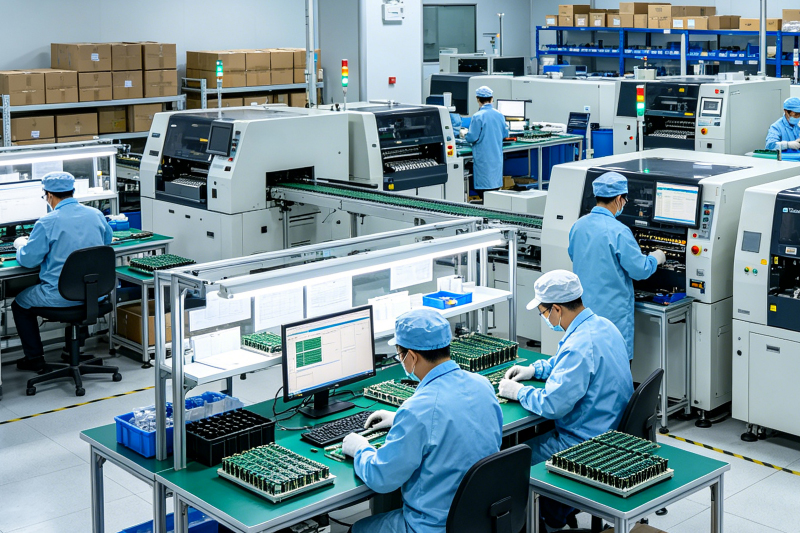
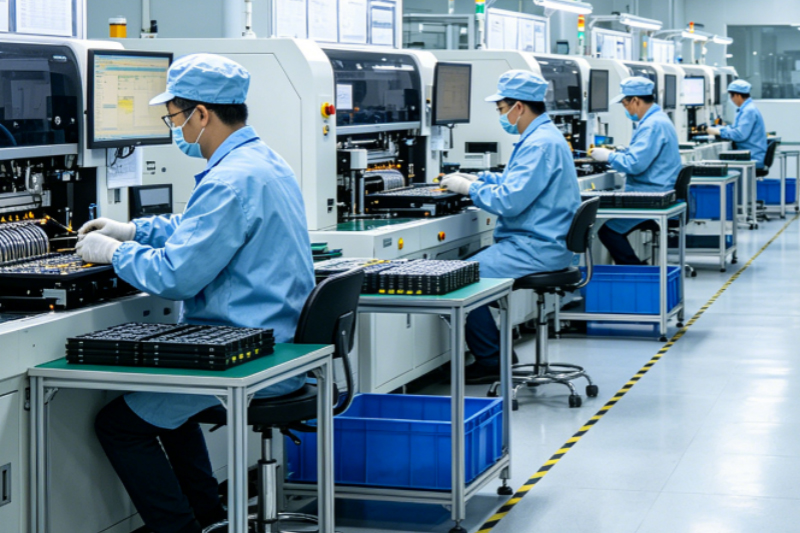
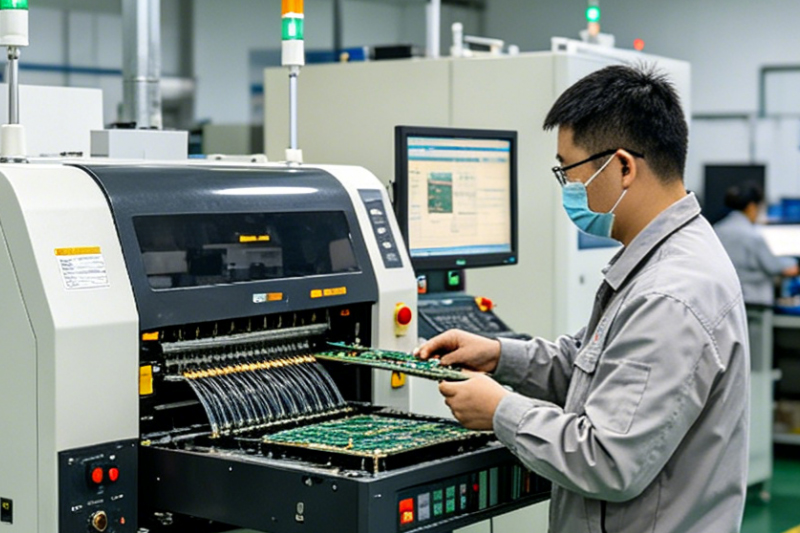
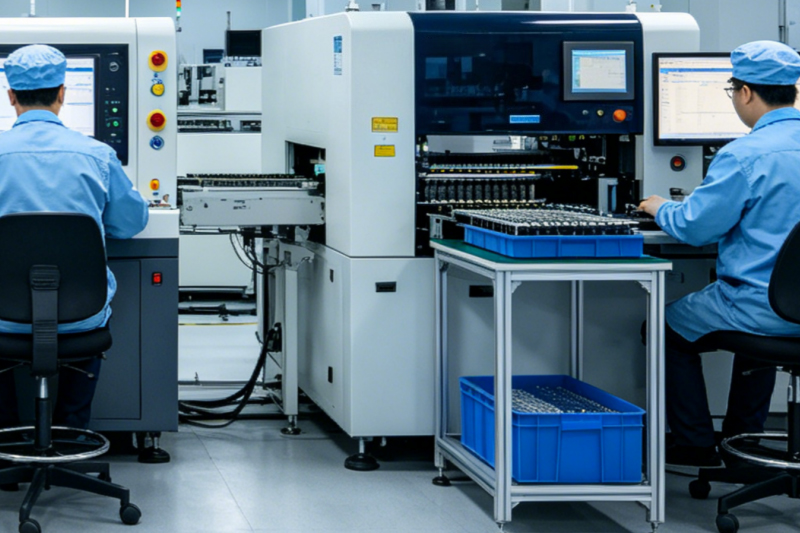
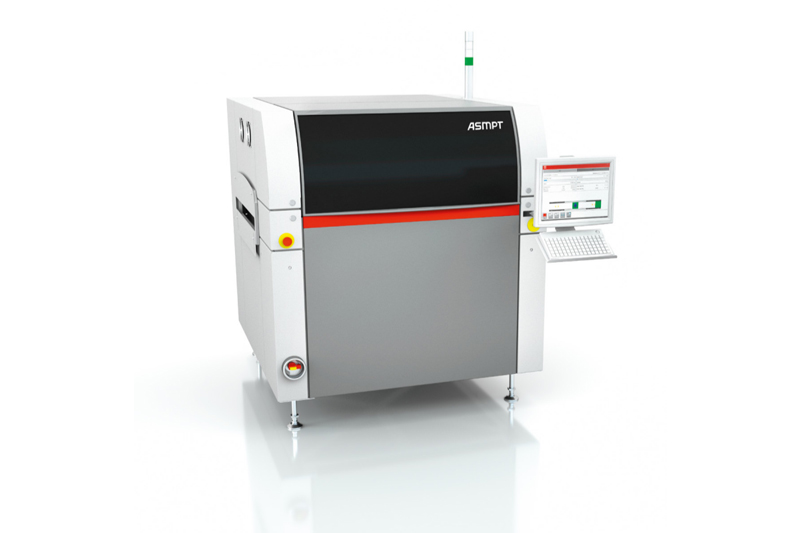
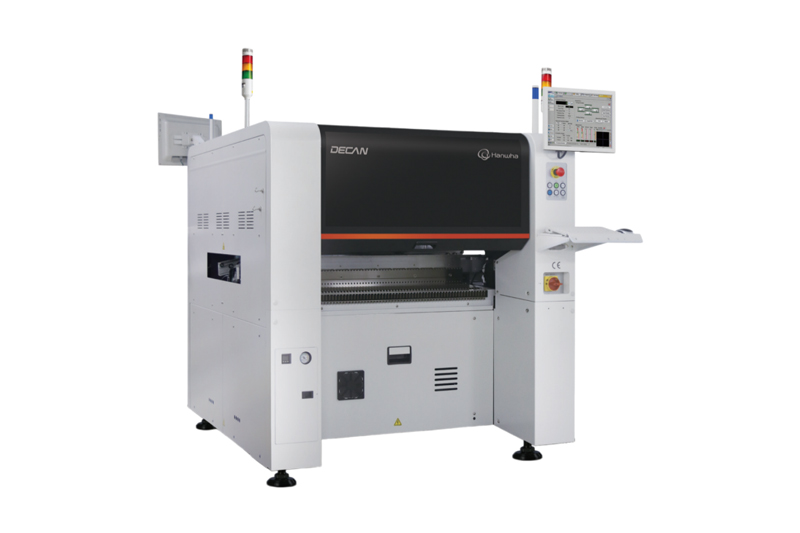
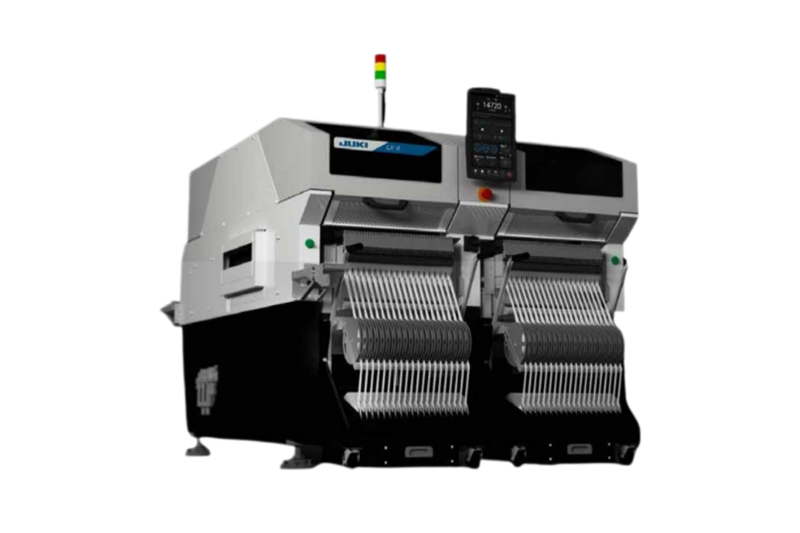
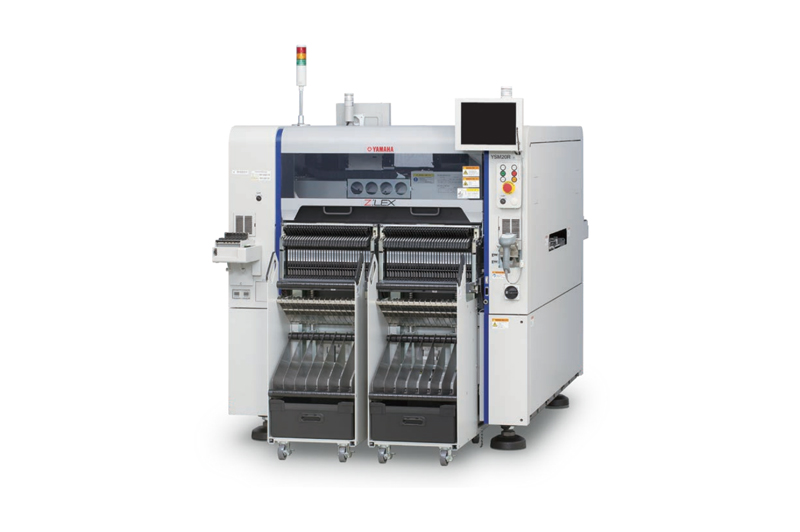
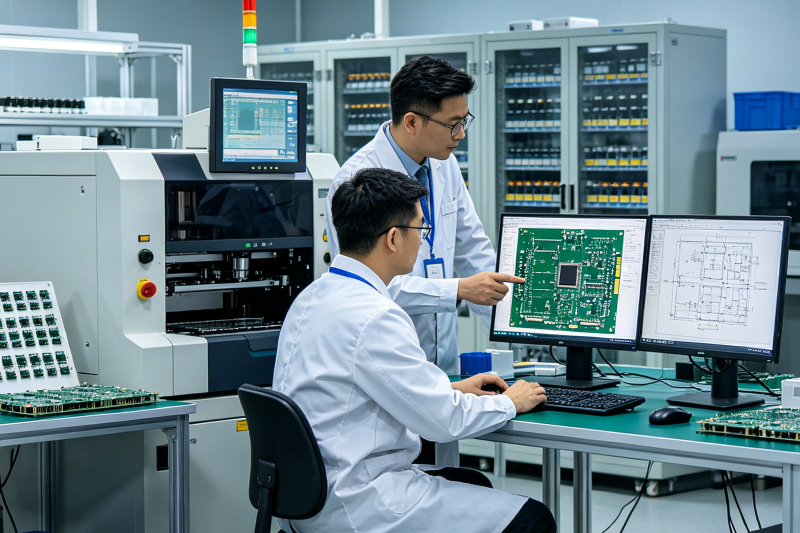

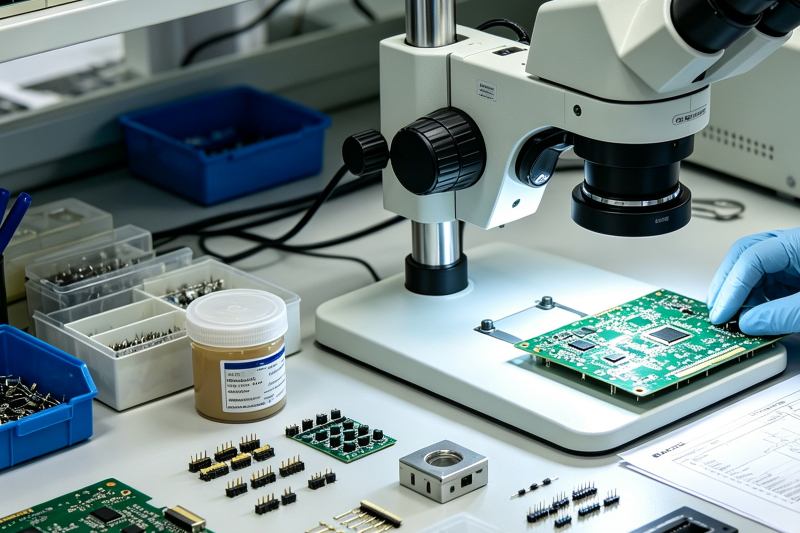


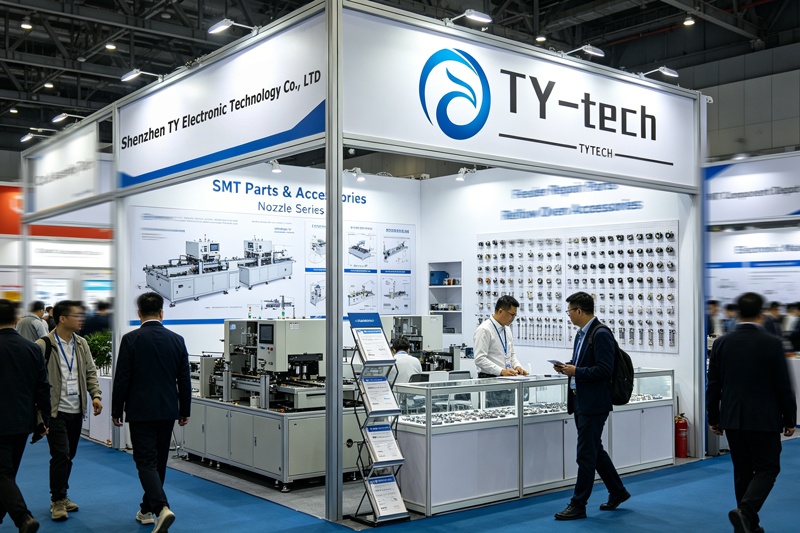
Our manufacturing facilities and SMT spare parts conform to rigorous international quality standards, ensuring maximum reliability and long cycle life.