
From Component Delivery to Intelligent Manufacturing — How Modern SMD Feeders Are Transforming PCB Assembly Lines
Walk into any modern electronics manufacturing facility, and your eyes are drawn immediately to the pick-and-place machines — those mesmerizing robotic arms that dance across circuit boards at breathtaking speed, placing thousands of tiny components every hour with micron-level precision. It is easy to be captivated by the spectacle. Yet beneath this visible choreography lies a critical enabler that rarely receives the attention it deserves: the SMD feeder.
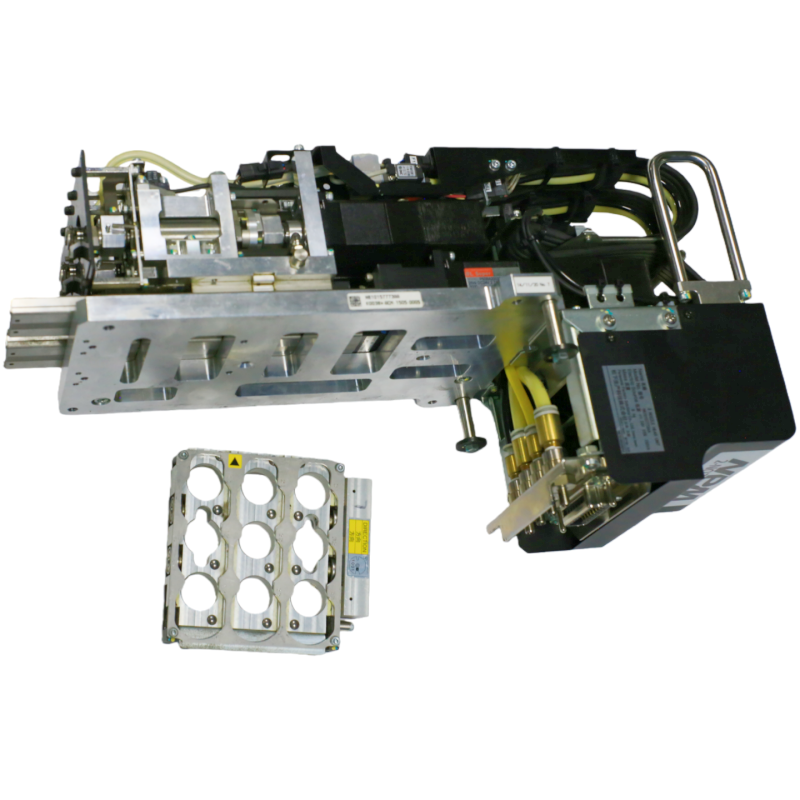
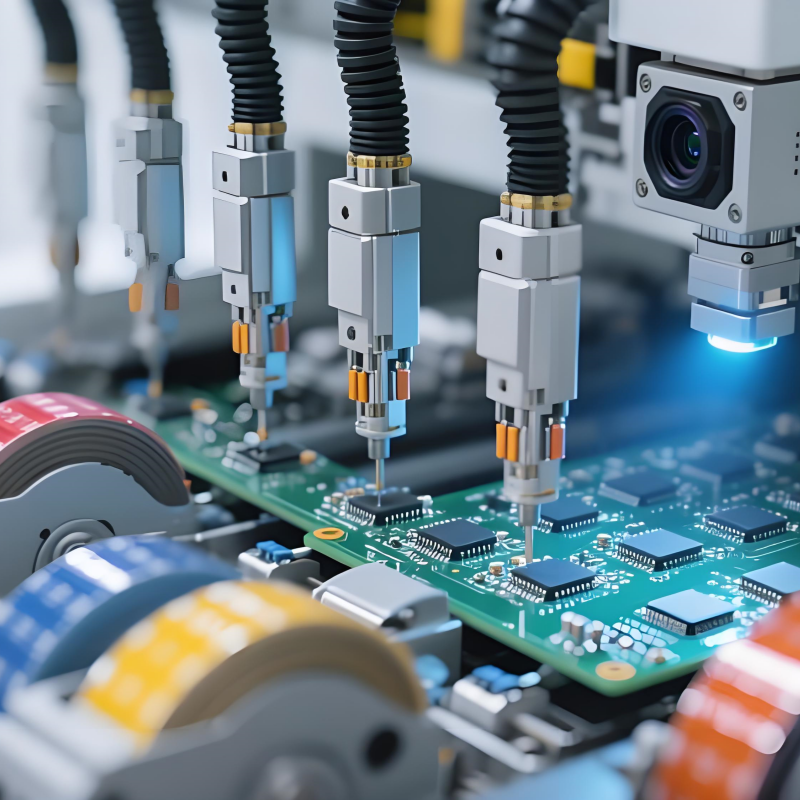
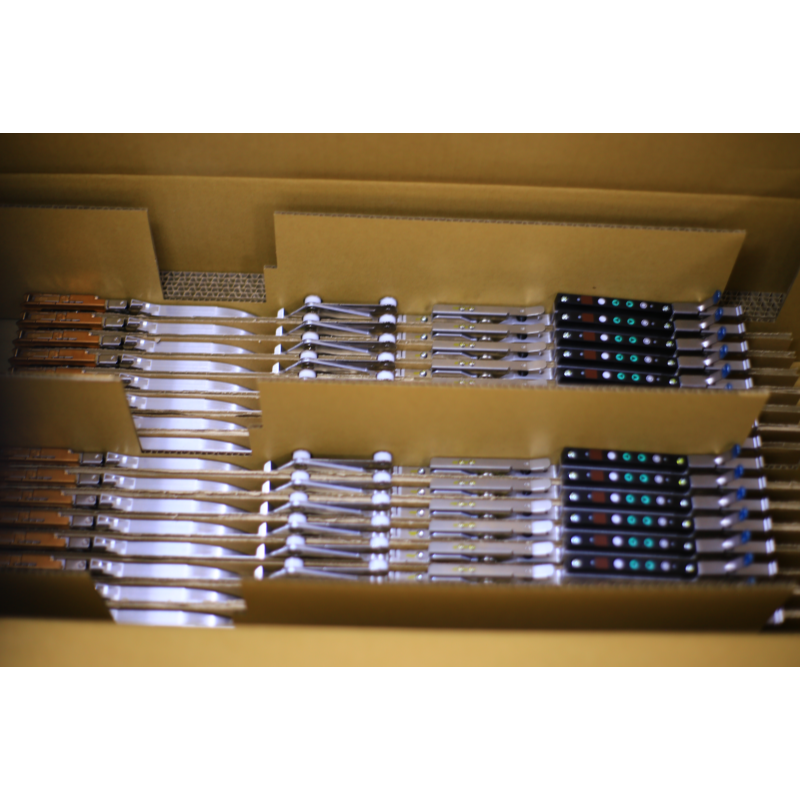
While nozzles, sensors, and vision systems often dominate discussions about SMT spare parts, the feeder is the unsung hero that makes everything else possible. Without reliable SMT feeders, even the most sophisticated pick-and-place machine is nothing more than an expensive ornament. Feeders are the arteries of the SMT production line, delivering surface-mount devices in tape-and-reel, tube, and tray formats to the pick-up position with precise timing and accuracy.
When a feeder fails — whether through mechanical wear, misalignment, or poor maintenance — the consequences cascade through the entire production line: mispicks multiply, placement accuracy degrades, changeover times balloon, and yield plummets. Industry data reveals that feeder-related issues account for 23% of all SMT line downtime.For a mid-sized electronics manufacturing services provider operating eight lines, this represents approximately 1,840 hours of annual lost production — equivalent to running one full line idle for 230 working days.
This article explores why SMD feeders have become the strategic linchpin of modern electronics manufacturing, examines the technological revolution transforming feeder design, and provides actionable insights for procurement and maintenance professionals seeking to optimize their SMT operations.
Understanding the SMD Feeder: More Than Just a Component Dispenser
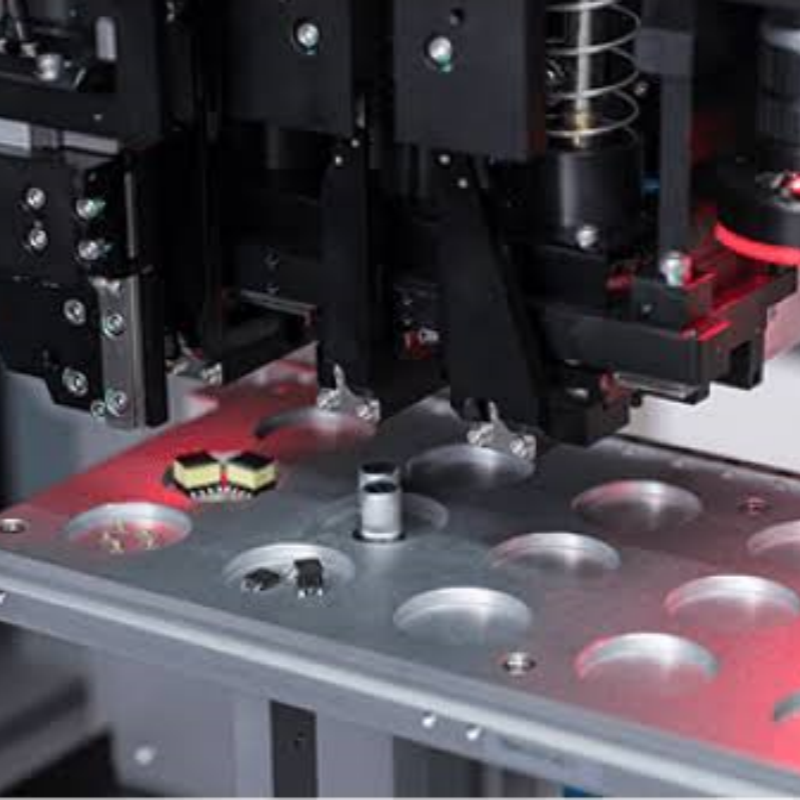
At its most fundamental level, an SMD feeder is an automated device that supplies surface-mount devices — resistors, capacitors, integrated circuits, and other electronic components — to the pick-and-place machine.It transports components in various packaging forms to the pick-up position at a precise rhythm and sequence, enabling the placement head to accurately pick up components and mount them on the printed circuit board.
But this simple description belies the extraordinary complexity of modern feeder systems. Today's SMT feeders are sophisticated mechatronic devices incorporating servo motors, optical sensors, embedded processors, and communication interfaces that enable real-time data exchange with the broader manufacturing execution system.
The market for SMD feeders reflects their growing importance. The global SMD feeder market was estimated at US$1.5 billion in 2024 and is forecast to reach US$2.33 billion by 2031, representing a compound annual growth rate of 6.5%.The electric SMD feeder segment alone was valued at US$407 million in 2024 and is projected to reach US$669 million by 2031 at a CAGR of 7.3%.
Key players in this expanding market include industry giants such as JUKI Corporation, YAMAHA, Panasonic, Fuji, Europlacer, and emerging innovators like Wuhan Smartfeeder and Shenzhen Longmai Zhineng.The competitive landscape is characterized by rapid technological advancement, with manufacturers racing to deliver smarter, faster, and more reliable feeding solutions.
The Cost of Compromise: Why Feeder Quality Matters
For manufacturers operating on thin margins in a hyper-competitive global market, the temptation to cut costs on SMT spare parts — including feeders — can be strong. After all, a generic or refurbished feeder may cost a fraction of an OEM equivalent. Yet this apparent saving is often an illusion that conceals far greater costs.
The Hidden Costs of Poor Feeder Performance
1. Mispick Rates and Yield Loss
Traditional mechanical feeders exhibit mispick rates of 800 to 1,500 parts per million.For a mid-volume line running 50,000 placements per shift, this translates to 40 to 75 daily defects requiring costly manual rework.Over the course of a year, these defects accumulate into thousands of hours of lost productivity and significant material waste.
2. Excessive Changeover Downtime
High-mix, low-volume production has become the industry norm, yet traditional feeders require 3 to 5 minutes per changeover.An eight-product-variant line can lose 1.5 to 2.5 hours daily to feeder changes alone.In an industry where every minute of uptime translates directly into revenue, this downtime represents a substantial competitive disadvantage.
3. Component Traceability Gaps
Automotive (IATF 16949) and medical (ISO 13485) regulations increasingly mandate component-level traceability.Traditional feeders without digital interfaces force manufacturers to rely on manual, error-prone batch logs — creating compliance risks that can result in costly recalls and regulatory penalties.
4. Micro-Component Handling Challenges
As 0201 and 01005 components become standard in consumer and automotive designs, traditional feeders struggle with consistent pickup accuracy.The result is component wastage, placement errors, and reduced first-pass yield — all of which erode profitability.
5. Reactive Maintenance Costs
Without intelligent diagnostics, feeder maintenance follows a "wait-for-failure" pattern.This reactive approach creates unpredictable downtime and inflated SMT spare parts inventory, as manufacturers must stock large quantities of replacement components to guard against unexpected failures.
The Technological Revolution: Smart Feeders and Industry 4.0
The feeder market in 2026 is defined by a clear technological divide: traditional pneumatic and mechanical designs versus next-generation intelligent feeders integrating servo drives, IoT edge computing, and automatic optical verification.This evolution mirrors the broader Industry 4.0 transformation sweeping electronics manufacturing.
Five Advanced Subsystems of Modern Smart Feeders
Modern smart SMT feeders integrate five advanced subsystems working in concert:
-
High-precision servo motors achieving ±0.03mm positioning accuracy
-
Built-in optical cameras verifying component orientation before pickup
-
Embedded processors running local predictive maintenance analytics
-
Laser-based auto-calibration eliminating daily manual adjustments
-
OPC-UA and MQTT protocols enabling real-time MES and ERP data streaming
Together, these capabilities transform the feeder from a passive component-delivery mechanism into an intelligent node within the connected factory. The result is dramatic improvements in productivity, quality, and operational visibility.
Panasonic's Platform Approach
Panasonic's NPM-GW series exemplifies this technological evolution. The platform is built on an advanced machine architecture that allows nozzles, feeders, pipettes, and other accessories to be carried over from older systems — protecting existing hardware investments without limiting functionality.
The redesigned placement heads are approximately sixty percent lighter and available in three, eight, and twelve nozzle variants.This weight reduction lowers the load on axes and ensures stable motion sequences at high speeds, while the lower mass improves vibration behavior — particularly important for fine component sizes.
The NPM-GW's Auto Setting Feeder addresses one of the most error-prone processes in SMT production: splicing.In classic SMT lines, material rolls must be glued together, which often poses problems, especially for inexperienced personnel.The NPM-GW series feeder eliminates this step entirely — the tape is inserted, and pressing a button starts the automatic feed.Roll changes take place without gluing, reducing interruptions during ongoing series production and significantly decreasing training time for new employees.
Panasonic's High-Mix Solution: The AM100
For manufacturers operating in high-mix, low-volume environments, Panasonic's AM100 offers an incrementally scalable solution that maintains high standards for capability, flexibility, and reliability.Only one machine is required to get production started, and adding more units and technologies as demand changes is easy to accomplish.
The AM100's Feeder Anywhere and Nozzle Anywhere features dramatically enhance flexible setup.Clients have the flexibility to prepare the next product while production is running on the AM100, enabling non-stop changeover.The single head can place an impressive component array, and advanced features including component thickness camera, auto support pin exchange, PCB warpage detection, and tray verification are also available.
Juki's Flexible Approach
Juki's RS-1R placement system demonstrates another approach to feeding flexibility. Designed around a single dynamic placement head, the system automatically adjusts to component heights ranging from 1mm to 25mm.This allows manufacturers to handle a mix of parts without slowing down changeovers or introducing unnecessary complexity.The system's variable laser sensing and large nozzle automatic tool change capability make it easier to place odd-shaped components — a common requirement in prototype and low-volume builds.
Fuji's Comprehensive Ecosystem
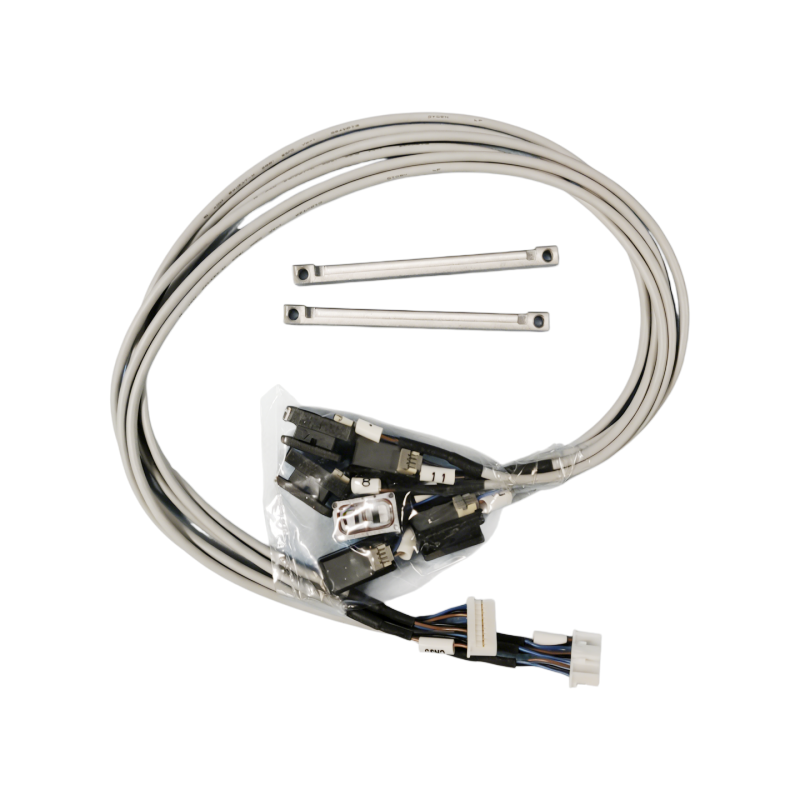
Fuji's SMT ecosystem encompasses a wide range of feeder solutions, including the Aimex Feeder 8MM W08C and various Fuji NXT feeder parts such as nozzle holders, reel holders, printed circuit boards, wire harnesses, guide tape, and feeder carts.These components work together to ensure reliable component delivery across Fuji's pick-and-place platforms.
The Expanding SMT Spare Parts Market: A Growth Story
The importance of quality SMT spare parts — including feeders, nozzles, sensors, and vision systems — is reflected in the rapid growth of the broader SMT equipment market. The global SMT equipment market was valued at approximately USD 5.6 billion in 2025 and is projected to expand at a CAGR of 6.8% through 2032.The Surface Mount Technology market overall is estimated at USD 6.61 billion in 2025 and expected to reach USD 9.53 billion by 2030 at a CAGR of 7.6%.
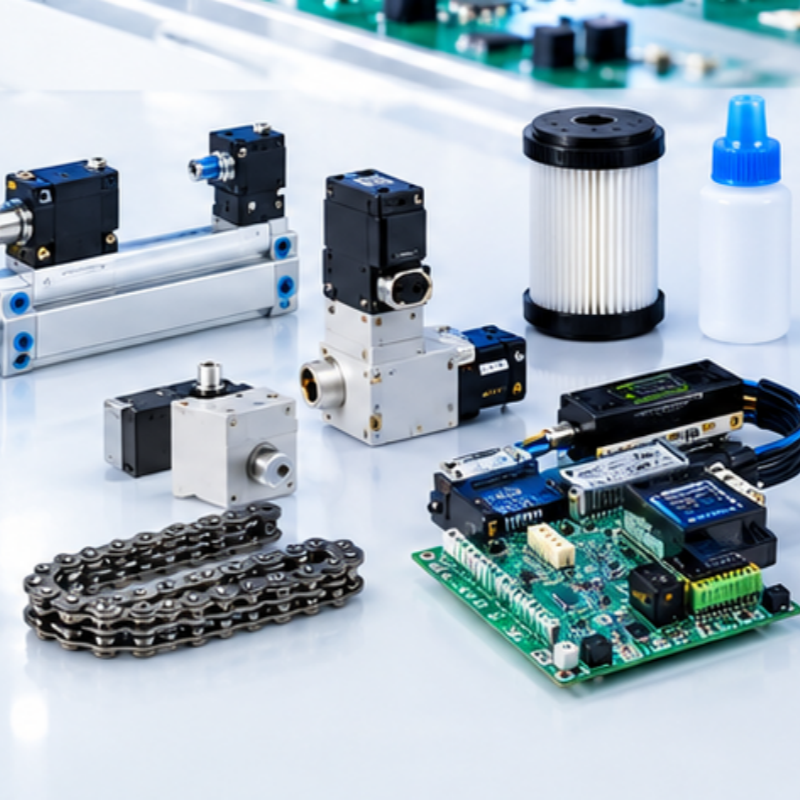
SMT accessories, including nozzles, feeders, valves, sensors, and vision systems, represent a critical segment of this market, accounting for nearly 25% of total spare parts expenditure in high-volume assembly lines.
Asia-Pacific dominates as the largest regional market, fueled by manufacturing hubs in China, Japan, South Korea, and Taiwan.Here, the push for miniaturization in smartphones, wearables, and IoT devices has intensified the need for precision-engineered SMT accessories capable of handling components as small as 01005 sizes.
Several factors are driving this growth:
-
Miniaturization: The relentless march toward smaller components — from 0402 to 0201 to the emerging 01005 (0.4×0.2mm) standard — demands ever-greater placement precision and feeder reliability.
-
Automotive Electronics: The proliferation of electric vehicles and advanced driver-assistance systems has created unprecedented demand for high-reliability PCB assembly.
-
Telecommunications Infrastructure: 5G and beyond require dense, high-frequency circuit boards that push the limits of current SMT technology.
-
Supply Chain Resilience: Geopolitical tensions and raw material shortages have made reliable access to SMT spare parts more vital than ever.
-
AI and Machine Learning Integration: AI-powered predictive analytics monitor the health of critical SMT components, reducing unplanned downtime by up to 40%.
The Strategic Importance of Feeder Maintenance
Even the finest SMT feeders require proper maintenance to deliver optimal performance. Industry experts recommend several key practices:
Regular Cleaning and Inspection
Feeders should be cleaned regularly to remove dust, debris, and solder particles that can interfere with smooth operation. Tape guides, sprockets, and pick-up positions should be inspected for wear and alignment.
Predictive Maintenance
Rather than waiting for failure, manufacturers should implement predictive maintenance programs that use data from feeder sensors to identify potential issues before they cause downtime. The APC-5M evaluation software from Panasonic, for example, collects data from vacuum and blow sensors, camera systems, and other sensors in the head.Instead of fixed maintenance cycles, the user receives specific information about when intervention is actually necessary.
Documentation and Tracking
Maintaining accurate records of feeder usage — including placement cycles, component types handled, and maintenance history — enables better planning and helps identify patterns that may indicate underlying issues.
Strategic Spare Parts Inventory
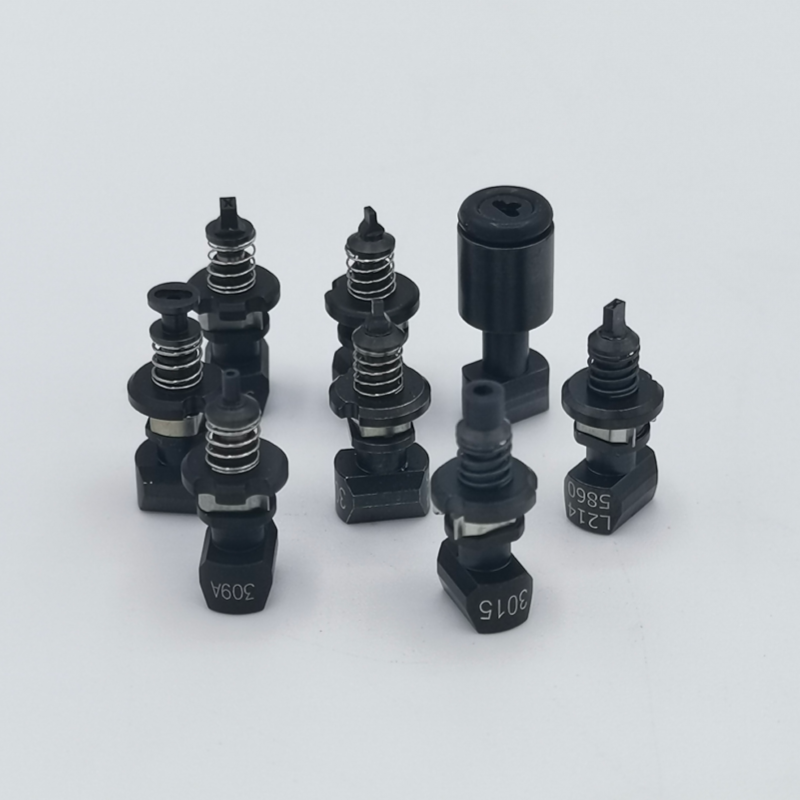
Given that feeder-related issues account for 23% of all SMT line downtime, maintaining an adequate inventory of critical SMT spare parts — including replacement feeders, nozzles , and sensors — is essential for minimizing unplanned downtime.
Looking Ahead: The Future of SMT Feeders
As the electronics industry continues its relentless march toward greater density, higher speed, and lower cost, the demands on SMT feeders will only intensify. Several trends are shaping the future of feeder technology:
Smart Feeder Adoption Accelerates
Smart feeder adoption is growing at 15 to 18 percent annually.By 2028, over 70% of SMT lines are projected to require miniaturized SMT accessories to meet 5G mmWave and edge AI computing demands.
AI-Powered Predictive Maintenance
AI and machine learning are transforming SMT spare parts from passive components into intelligent systems.AI-powered predictive analytics monitor the health of critical SMT components, enabling proactive maintenance that reduces unplanned downtime.
Refurbished Parts Gain Traction
Refurbished SMT spare parts have gained traction as a cost-effective alternative, offering up to 60% savings without compromising performance.This trend is particularly relevant for manufacturers seeking to balance cost reduction with operational reliability.
Integration with MES and ERP Systems
The integration of SMT feeders with manufacturing execution systems and enterprise resource planning platforms enables real-time visibility into production status, component consumption, and feeder performance — driving continuous improvement across the entire manufacturing operation.
Conclusion: The Feeder as Strategic Asset
In the high-stakes world of electronics manufacturing, every component matters, and every second counts. The SMD feeder — small, unassuming, and easily overlooked — is nevertheless the critical interface between component supply and machine placement, the silent workhorse that determines whether a production line runs at peak efficiency or struggles with defects and downtime.
Modern SMT feeders are no longer simple mechanical devices. They are intelligent, connected systems that embody the principles of Industry 4.0 — delivering precision, reliability, and data-driven insights that enable manufacturers to achieve new levels of productivity and quality.
For manufacturers committed to excellence, the choice is clear. Investing in high-quality SMT feeders and SMT spare parts is not an expense — it is an investment in the future of their production lines. In an industry where even fractional improvements in uptime and yield translate into significant competitive advantage, the reliability of SMD feeders pays for itself many times over.
The silent workhorse of the factory floor deserves nothing less than the recognition — and the investment — it has long earned.