
How SMT Accessories Help Improve PCB Assembly Efficiency
In modern electronics manufacturing, production efficiency is no longer determined only by the speed of a pick-and-place machine. The small components supporting the equipment can have an equally important influence on accuracy, uptime and maintenance. As PCB designs become smaller and production requirements become more demanding, manufacturers are paying closer attention to reliable SMT accessories, replacement parts and consumables.
For electronics factories, contract manufacturers and PCB assembly service providers, choosing the right accessories can help maintain consistent machine performance while reducing unexpected interruptions. From precision SMT nozzles and tape feeders to motors, sensors, valves, filters and mechanical components, these parts form an essential support system for modern surface mount technology.
This growing focus is especially relevant as manufacturers work with miniature components, high-density PCB layouts and increasingly automated assembly lines. Product information across the SMT equipment market shows a broad range of accessories designed for Panasonic, Yamaha, Hanwha and JUKI platforms, covering both common replacement needs and specialized applications.
What Are SMT Accessories and Why Do They Matter?
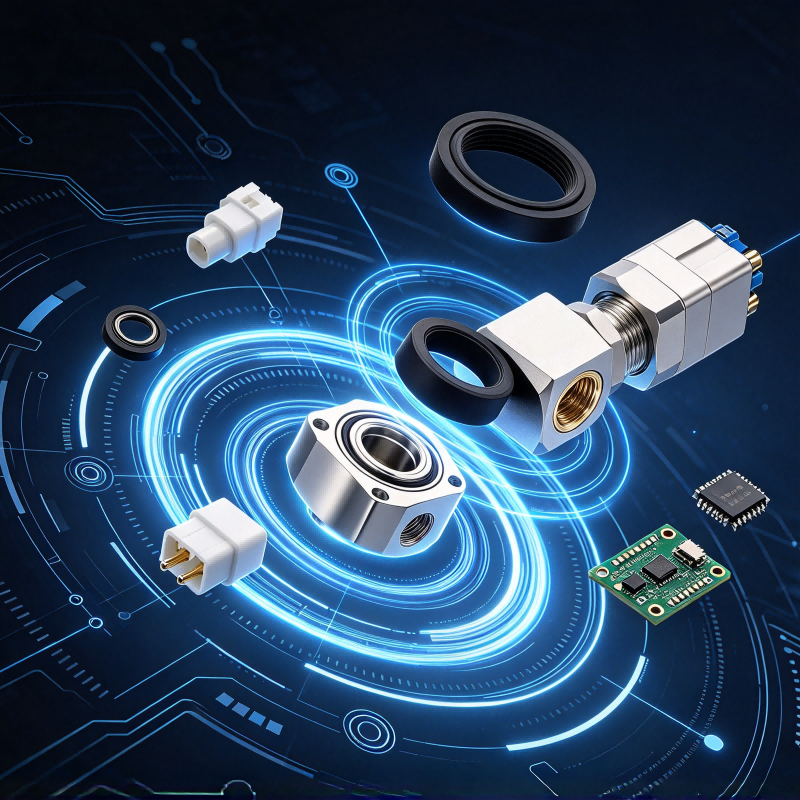
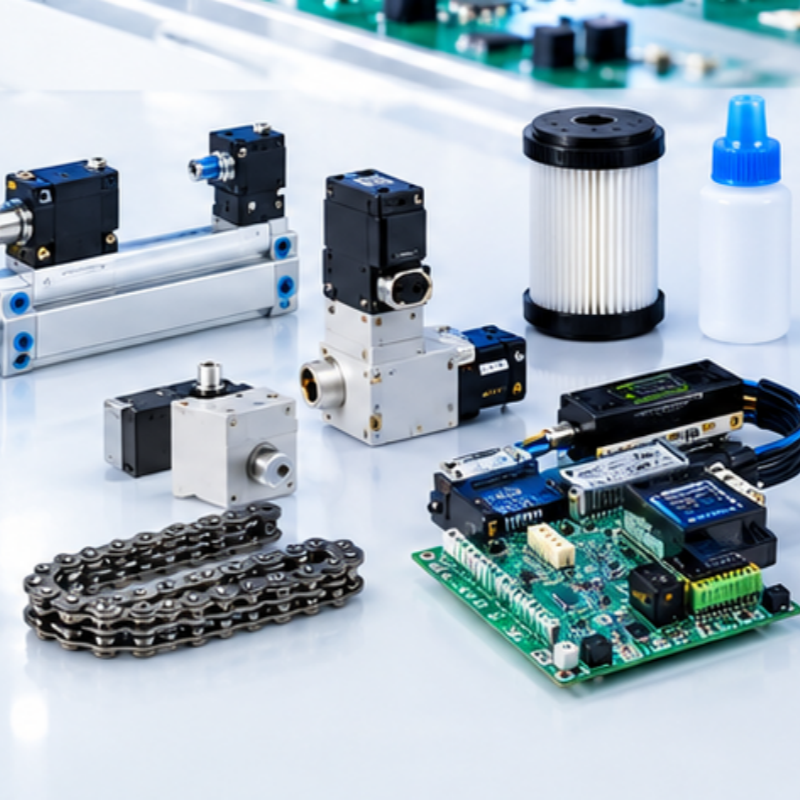
SMT accessories are supporting components used to maintain, operate and optimize surface mount assembly equipment. They are not limited to one machine or one function. Instead, they cover a wide ecosystem of mechanical, pneumatic, electronic and consumable parts.
Common examples include:
- SMT nozzles
- SMT feeders
- Tape feeders
- Nozzle holders
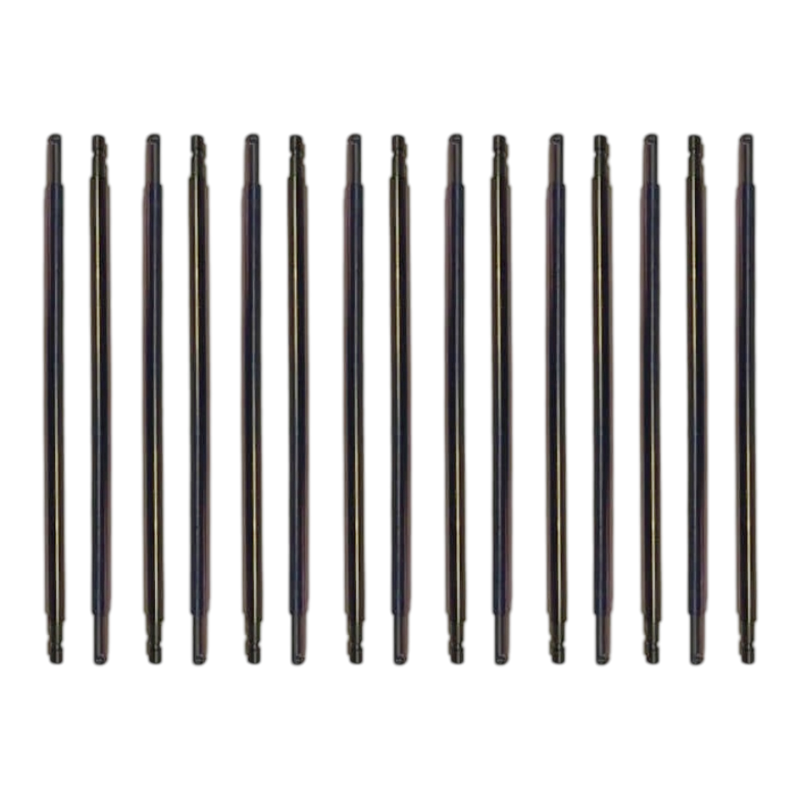
- Nozzle rods
- Nozzle heads
- Sensors
- Solenoid valves
- Vacuum flow components
- Motors
- Filters
- Belts and gears
- Cylinders
- Maintenance oil
- Control boards
- Servo-related components
- PCB conveyor parts
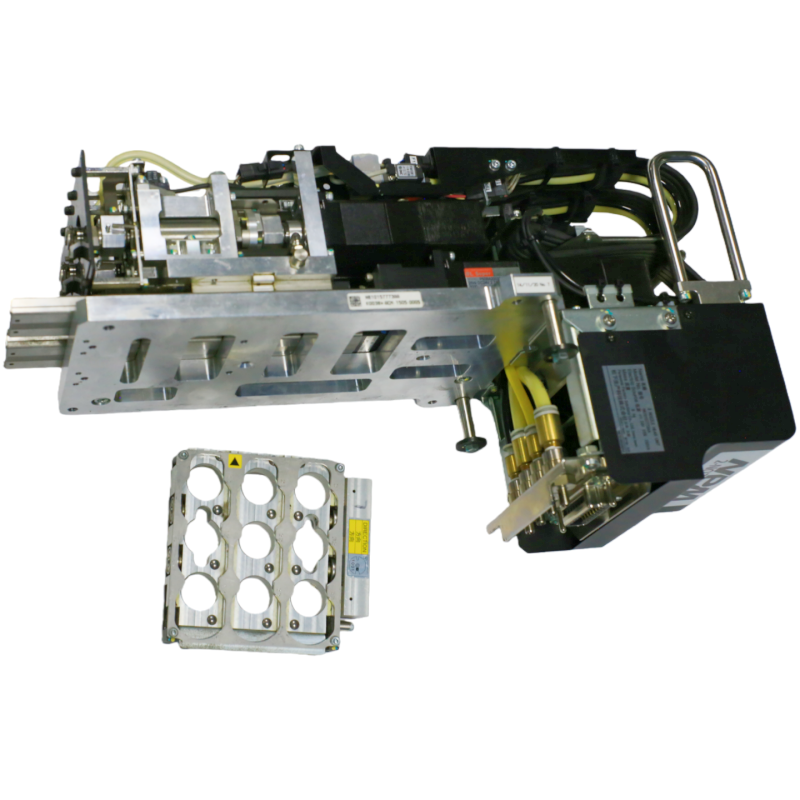
The product categories available for major placement-machine platforms include feeders, nozzles, cameras, correction materials, feed gears, holders, motors, sensors, solenoid valves and other machine components.
Although many of these parts are relatively small, their function can directly affect the stability of an SMT production line.
A feeder, for example, must deliver components to the pickup position consistently. A nozzle must establish reliable contact with the component before placement. A sensor must accurately detect a machine condition. A filter must help maintain clean airflow. When one supporting component begins to wear or malfunction, the effect can spread into the wider production process.
How SMT Nozzles Support Precision Placement
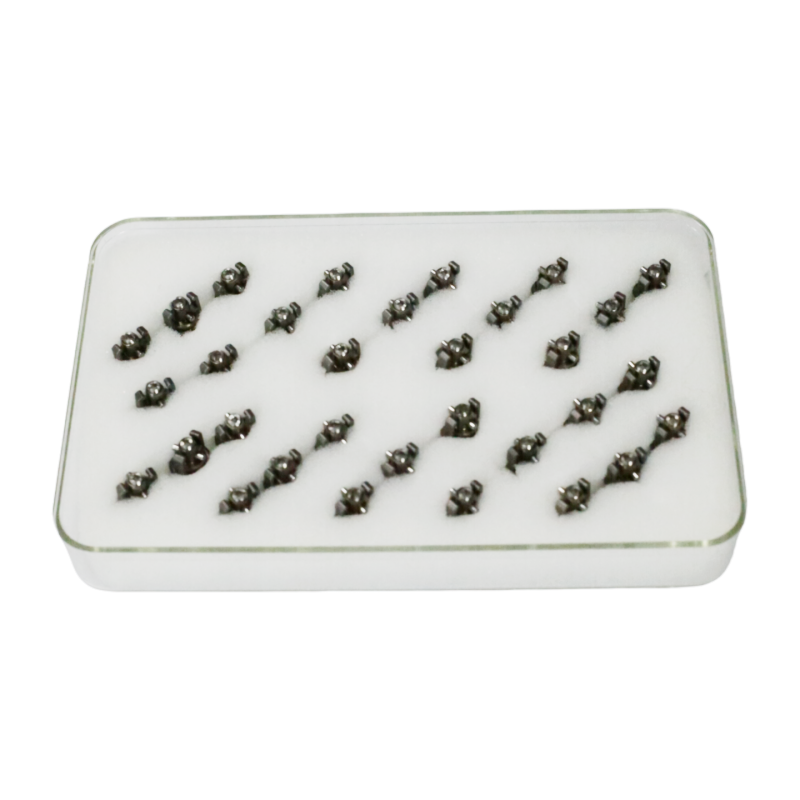
Among all SMT machine parts, nozzles are some of the most frequently discussed consumables.
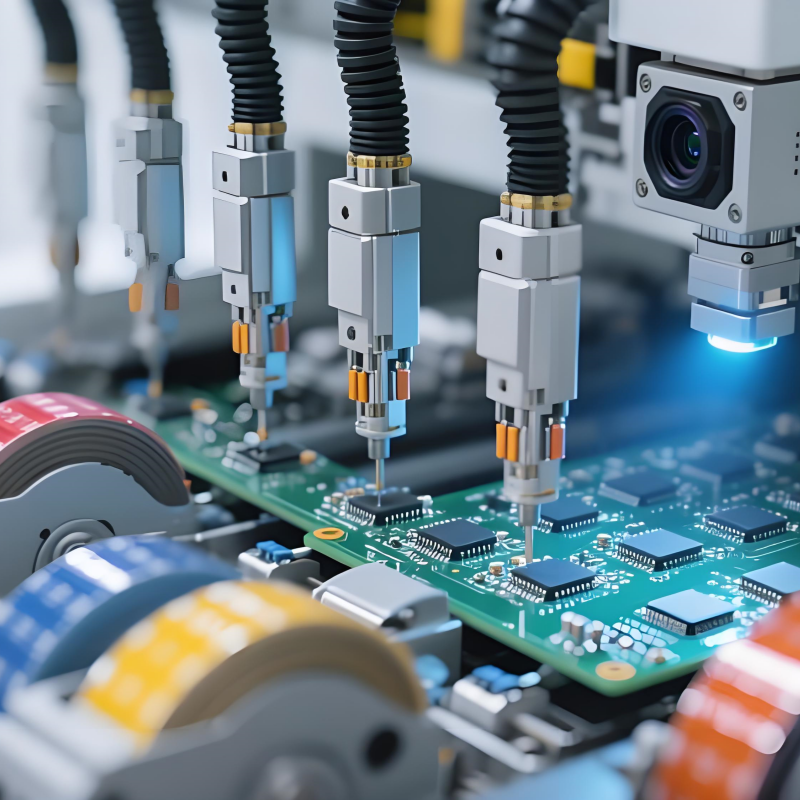
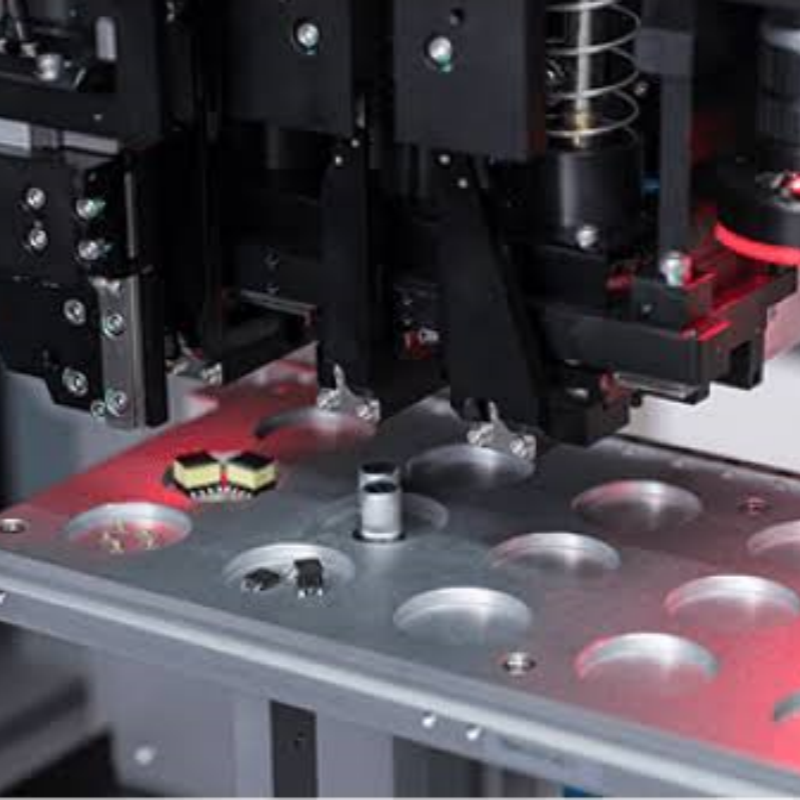
During pick-and-place operation, the nozzle connects the machine's placement head with the electronic component. Vacuum pressure allows the nozzle to pick up the component and transport it toward the PCB before releasing it at the programmed position.
Different component sizes and shapes can require different nozzle designs. Miniature passive components, IC packages and larger components may require different pickup solutions.
For example, available product ranges include nozzles designed for small SMD components, including solutions associated with 0201, 0402 and 0603 applications. Specialized nozzles can also be developed for unusual component shapes and particular placement requirements.
This makes SMT nozzle selection an important consideration for manufacturers handling mixed PCB products.
A suitable nozzle can help support:
- Stable component pickup
- Accurate component placement
- Reliable vacuum performance
- Reduced pickup errors
- Consistent high-speed operation
- Better handling of miniature components
For production engineers, the key is not simply choosing a nozzle based on price. Compatibility, component geometry, machine model, nozzle material and application requirements should all be considered.
What Makes an SMT Feeder Important?
Another critical category is the SMT feeder.
Feeders transport components from reels, tapes or other packaging formats toward the machine's pickup position. In a high-speed assembly environment, feeding accuracy needs to remain consistent over thousands of operating cycles.
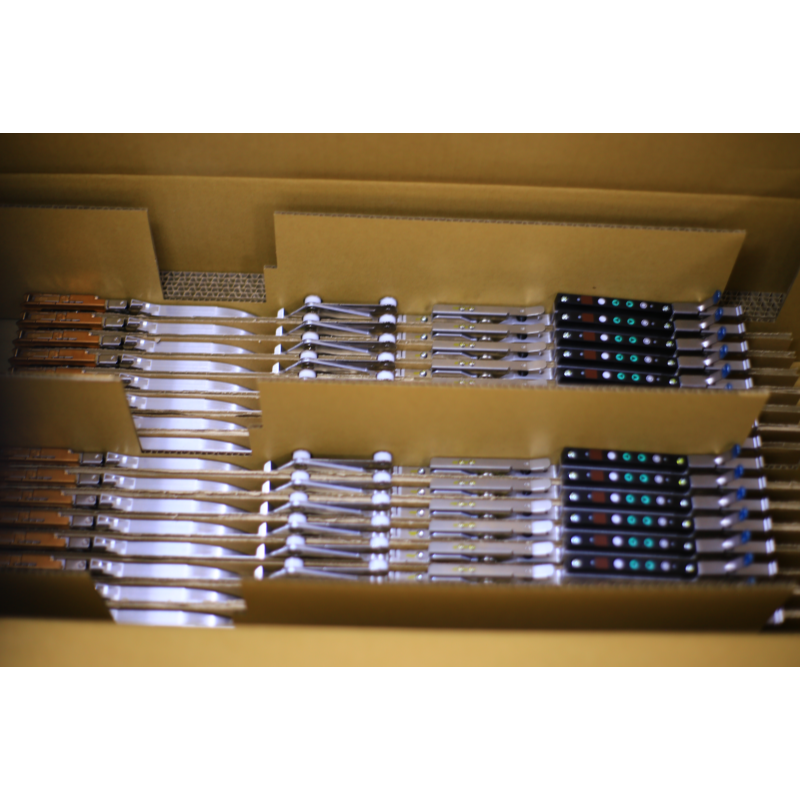
Modern product ranges include different feeder widths and configurations. Examples include 8mm, 12mm, 16mm, 24mm, 32mm, 44mm and 56mm feeder formats for different component packaging requirements. Electric and pneumatic feeder solutions are also available for different machine platforms.
A properly matched SMD tape feeder can help maintain predictable component indexing and reduce feeding interruptions.
This becomes particularly important for factories producing multiple PCB models. A flexible feeder inventory allows production teams to adapt equipment more efficiently when component sizes, package types or product configurations change.
For international buyers, compatibility should always be checked using the machine model, feeder type, component tape width and relevant part number before ordering.
How Sensors, Valves and Filters Protect Machine Performance
Not every important SMT accessory performs a visible mechanical movement.
Sensors, valves and filters are equally important within an automated placement system.
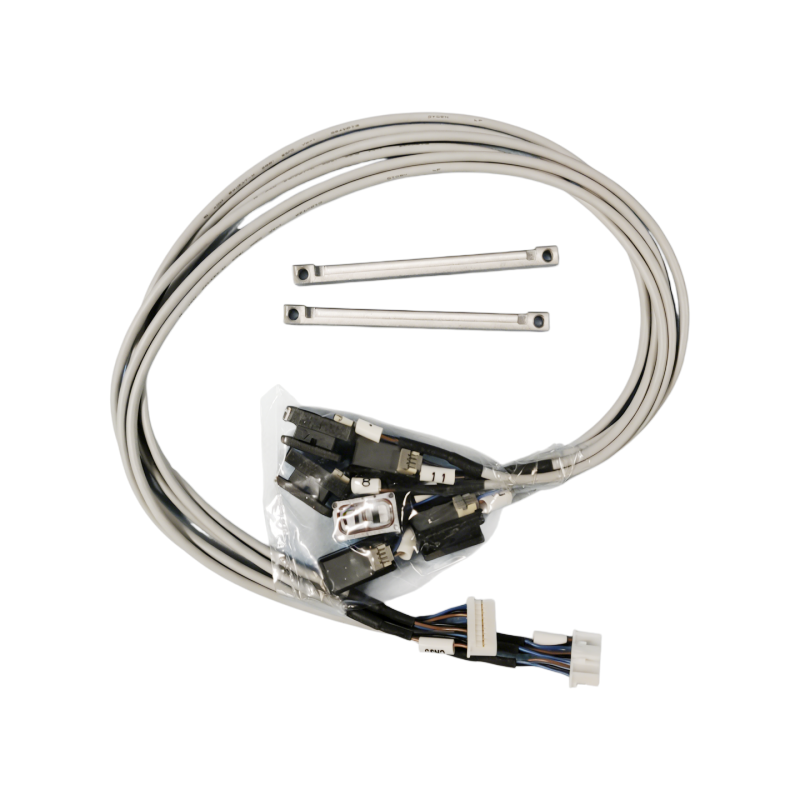
SMT sensors can monitor machine conditions and provide feedback for automated operations. Vacuum-related sensors, for example, can help monitor airflow or pickup conditions. Product ranges include dedicated vacuum flow sensors and multi-model sensor solutions for placement-head applications.
Solenoid valves are another essential category. They control pneumatic or vacuum functions within equipment. Different valves may be used for cutting, blowing, head operation or other machine functions.
Filters provide another layer of protection. They can help maintain cleaner airflow in pneumatic and vacuum systems, supporting stable operation of sensitive components.
For factories running multiple shifts or continuous production, these relatively small parts should not be overlooked during preventive maintenance.
How to Build a Practical SMT Spare Parts Inventory
Unexpected downtime is one of the major concerns in electronics manufacturing. When a small replacement part is unavailable, a complete production line may have to wait for procurement and delivery.
A practical SMT spare parts strategy therefore begins with identifying critical components.
Manufacturers can divide inventory into three groups:
1. High-Consumption Parts
These include frequently replaced items such as:
These parts should normally be monitored according to actual consumption and machine operating hours.
2. Critical Machine Parts
This group can include:
They may not be replaced frequently, but their failure can have a significant effect on production continuity.
3. Application-Specific Parts
Some production lines require special components because of unusual PCB designs, component sizes or machine configurations.
Examples include specialized nozzles, large-width feeders, custom mechanical parts and specific machine-head components.
Maintaining the right balance between these three categories can help manufacturers avoid both excessive inventory and unnecessary production delays.
What Should Global Buyers Check Before Ordering SMT Parts?
International procurement teams often face a more complicated sourcing process than local buyers. Machine compatibility, part numbers, shipping requirements and technical specifications all need to be confirmed.
Before purchasing SMT machine accessories, buyers should check:
Machine brand and model: Confirm whether the component is designed for the specific equipment platform.
Part number: A complete and accurate part number can significantly reduce the risk of ordering an incompatible replacement.
Component application: Check whether the part is intended for a feeder, placement head, vacuum system, conveyor or another machine assembly.
Material and construction: Nozzles, for example, may use wear-resistant materials suited to precision placement applications.
Dimensions: Mechanical components require accurate dimensional matching.
Production quantity: Determine whether the requirement is a sample order, small batch or long-term production supply.
Packaging: ESD-safe packaging can be important when shipping electronic and sensitive machine components internationally.
Documentation: Depending on the destination market, buyers may require product specifications or compliance documents.
A structured procurement process can make it easier to identify suitable replacement parts before a machine failure occurs.
SMT Accessories for Different Electronics Industries
The application of SMT technology continues to expand across multiple electronics sectors.
In consumer electronics, manufacturers may produce smartphones, tablets, wearable devices, TWS earbuds and compact home appliances. These applications often involve high-density PCB designs and small components.
In automotive electronics, PCB assemblies for ECUs, dashboards, radar systems and new-energy vehicles can require durable machine accessories capable of supporting demanding production environments.
For 5G communication equipment, miniature components and high-density circuit boards create requirements for precision placement and stable machine operation.
Industrial automation, medical electronics, LED displays, IoT devices and security products also rely heavily on automated PCB assembly.
This diversity means there is no universal SMT accessory solution for every production line. The right combination depends on equipment configuration, component mix and manufacturing requirements.
Why Customized SMT Accessories Are Becoming More Important
Standard parts can meet many common production requirements, but some PCB assembly applications involve unusual components or machine configurations.
In these situations, custom SMT accessories can provide another option.
Special-shaped nozzles, non-standard mechanical components and customized mounting parts may be developed based on samples or CAD drawings. Precision machining and dimensional inspection can help manufacturers achieve the required fit and application performance.
Customization can be particularly useful when:
- A component has an unusual physical shape
- A standard nozzle cannot provide stable pickup
- A machine has a special mounting requirement
- A legacy machine requires a replacement part
- A production line needs a modified mechanical component
For global buyers, this type of technical support can reduce the difficulty of sourcing uncommon SMT replacement parts.
How Preventive Maintenance Can Improve SMT Production Stability
A reliable maintenance program should not wait until a component fails.
Production teams can establish regular inspection schedules for feeders, nozzles, filters, sensors and mechanical assemblies. Cleaning and inspection can identify signs of wear before they become production problems.
For example, a feeder can be checked for feeding consistency, while nozzles can be inspected for contamination, deformation or pickup problems. Filters can be monitored for service requirements, and mechanical components can be checked for abnormal wear.
The goal is simple: identify small problems before they become large production interruptions.
A complete SMT maintenance strategy therefore combines equipment monitoring, spare-parts planning and regular replacement of wear components.
The Future of SMT Parts Sourcing
As electronics manufacturing becomes more automated, the role of supporting machine components is becoming increasingly visible.
High-speed placement equipment can only perform consistently when its supporting systems remain stable. Feeders need accurate component delivery. Nozzles need reliable pickup. Sensors need accurate feedback. Valves need stable pneumatic control. Motors and drive components need dependable movement.
This means the future of SMT accessories is closely connected with precision, compatibility, customization and supply-chain responsiveness.
For international PCB assembly companies, sourcing should therefore be viewed as more than simply finding a replacement part. A complete strategy can include technical matching, spare-parts inventory planning, quality inspection, export packaging and after-sales support.
For buyers working with Panasonic, Yamaha, Hanwha or JUKI placement platforms, a broad selection of compatible feeders, nozzles, sensors, valves, motors and other machine components can make maintenance and procurement more flexible.
Conclusion
SMT accessories may be small compared with the machines they support, but their influence on PCB assembly can be substantial. From SMT nozzles and SMD tape feeders to sensors, valves, filters, motors and control components, each part contributes to the overall operation of an automated assembly line.
For electronics manufacturers seeking stable production, the right accessory strategy should combine compatibility, precision, preventive maintenance and reliable supply. By identifying critical parts in advance and maintaining suitable replacement inventory, production teams can be better prepared for routine wear and unexpected maintenance requirements.
As PCB manufacturing continues to move toward smaller components, higher automation and more complex product configurations, dependable SMT spare parts and SMT machine accessories will remain an important part of efficient electronics production.