

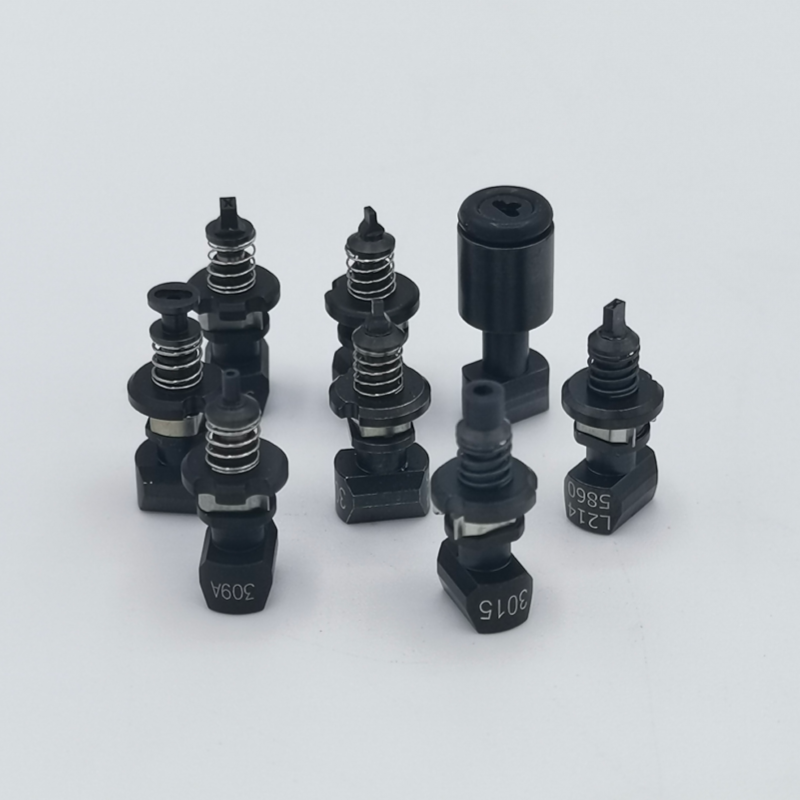
How SMT Sensors Upgrade Pick and Place Machine Yield
The Evolution of Precision Sensing in Modern Surface Mount Technology
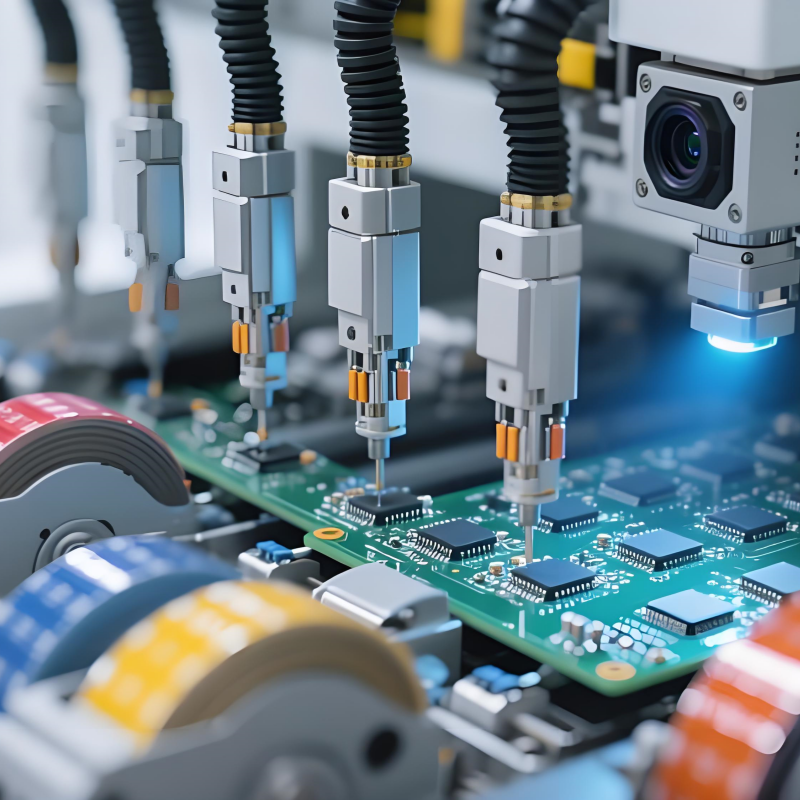
In modern surface mount technology, maintaining ultra-high throughput without compromising placement accuracy is the primary operational objective for electronics manufacturing services and original equipment manufacturers worldwide. While high-speed placement heads, precision nozzles, motor-driven feeders, and high-resolution camera vision systems receive significant attention during equipment evaluations, the underlying foundation of surface mount machine reliability rests upon a network of sophisticated SMT sensors.
From monitoring exact pneumatic vacuum pressure during high-speed chip pickup to detecting physical board presence before solder paste reflow, modern optical, mechanical, and pressure sensors act as the central nervous system of automated placement lines. Upgrading, replacing, or maintaining top-tier smt accessories and sensor units directly translates to reduced component rejection rates, diminished machine stoppages, and optimized overall equipment effectiveness.
The Fundamental Function of High-Precision Sensors in Automated Lines
Modern surface mount assembly operates at high speeds. Advanced pick and place machines position tens of thousands of Surface Mount Devices per hour, ranging from micro-chips to heavy, complex Integrated Circuits. At these velocities, even a microscopic misalignment or subtle drop in vacuum suction force leads to missing components, tombstoning, electrical shorts, or severe mechanical collisions.
SMT sensors serve as real-time feedback mechanisms that continuously supply physical data back to the primary system controller. By monitoring environmental parameters, vacuum airflow pressure, light reflection, and board positioning, sensors empower automated placement systems to make instant split-second adjustments or halt operation before expensive board assemblies sustain permanent damage.
Essential Categories of SMT Sensors in Placement Systems
Different stages of the pick-and-place cycle demand specialized sensing mechanisms. Integrating premium-grade SMT spare parts ensures seamless component feeding, accurate optical alignment, and error-free mounting.
1. Vacuum Flow and Differential Pressure Sensors
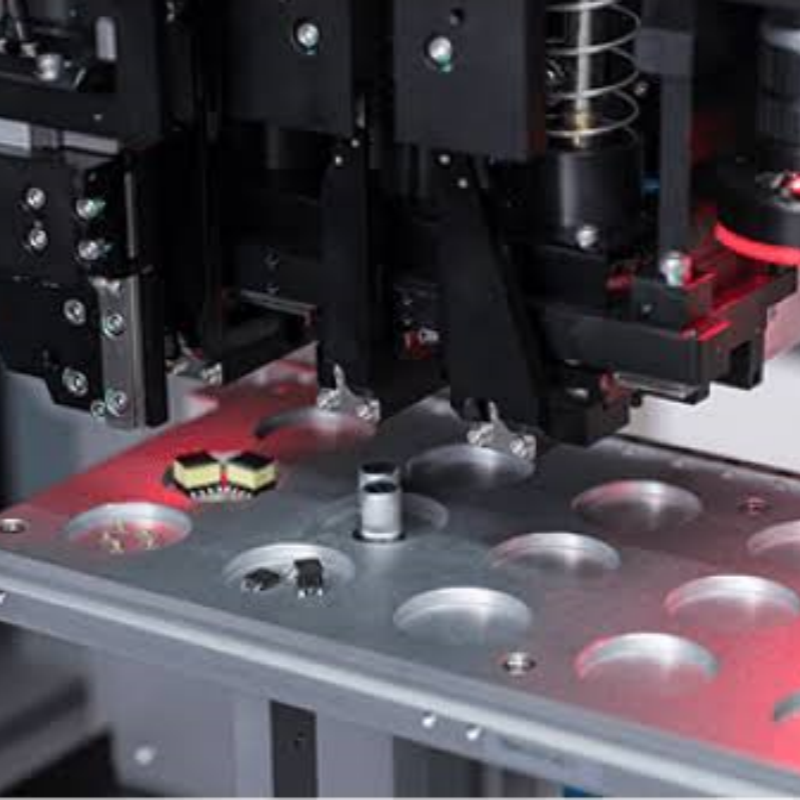
Vacuum monitoring represents a vital operational metric during component pickup, transportation, and placement verification. Mounted along pneumatic vacuum lines or placement head manifolds, specialized vacuum flow sensors measure differential pressure and dynamic airflow when a nozzle contacts a component surface.
If a component fails to sit flush against the nozzle tip, ambient air leaks into the vacuum line. The sensor instantly detects the drop in negative pressure and alerts the system to register a pick error or purge the misaligned component into the rejection bin before attempting placement on the printed circuit board.
2. Optical Fiber Sensors and Photoelectric Detectors
Optical detection systems form the frontline defense against component absence or physical misalignment. Utilizing high-speed light emitters and receivers, fiber optic sensing units monitor component presence right at the feeder pickup site or near the nozzle head.
As the component passes through the light beam, the intensity shifts. Photoelectric sensors verify whether the component remains securely attached to the nozzle tip during rapid displacement, preventing empty placements on sticky solder paste.
3. Conveyor Board Edge and Stopper Photo-Sensors
Smooth printed circuit board transportation is required for high-speed automated assembly lines. Positioned at entry, stopper, and exit zones of the mounter conveyor, optical sensors detect PCB edge arrival. They signal pneumatic stoppers to clamp the board securely in place and prompt the optical vision alignment camera to scan fiducial marks.
4. Feeder Indexing and Tape Pitch Sensors
Feeder positioning accuracy is integral to continuous pick-and-place uptime. Micro-sensors embedded within electric or pneumatic feeders track tape feeding steps, reel tension, and cover-tape peeling forces. They ensure component pockets stop precisely under the pick point every time, mitigating tape jams and component tipping inside carrier pockets.
Operational Challenges Caused by Substandard Sensors
Using worn-out or poor-quality replacement sensors introduces hidden losses that erode factory profitability and operational throughput.
High False Rejection Rates
When a vacuum sensor loses sensitivity or experiences measurement drift due to internal oil accumulation, it sends inaccurate pressure readings to the main control board. The machine misinterprets a valid pick as a vacuum failure, purging functional components into the rejection box. In high-cost semiconductor or automotive board production, discarding viable chips severely undermines profit margins.
Unscheduled Machine Stoppages
Unstable smt accessories cause frequent micro-stoppages across automated lines. Every time a pick-and-place machine triggers a false sensor alarm, operator intervention is required to inspect the head, clear errors, and manually restart the line. A series of brief stoppages throughout a shift accumulates into hours of lost output.
Placement Head and Feeder Wear
A malfunctioning position or height sensor may fail to detect an improperly seated component or a warped board. If the placement head descends without accurate clearance data, nozzle tips, nozzle rods, or internal spindle bearings can impact the board surface, resulting in structural damage to placement head assemblies and high repair costs.
Advantages of Precision Replacement Components
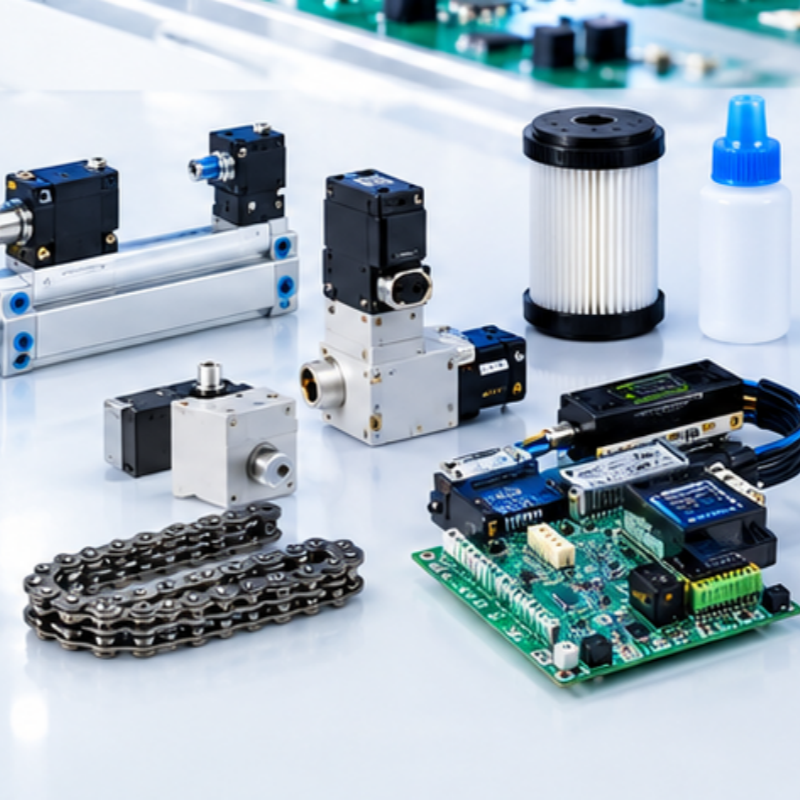
Investing in precision-engineered replacement SMT spare parts—including sensors, solenoid valves, feeder components, and vacuum filters—ensures long-term stability and consistent calibration.
-
Exact Equipment Compatibility: Quality aftermarket and replacement sensors match exact voltage specifications, signal response curves, and mechanical mounting dimensions for leading mounter brands including Panasonic, Yamaha, Hanwha, Juki, and Fuji.
-
Durability in Industrial Environments: Surface mount manufacturing environments expose internal machine components to airborne flux vapor, high ambient temperatures, ultrafine solder dust, and rapid multi-G mechanical accelerations. High-grade sensors feature robust dust-proof casings, anti-static (ESD-safe) housings, and oil-resistant cables to guarantee long service lifespans.
-
Streamlined Maintenance Protocols: Pre-calibrated replacement sensor assemblies allow technicians to replace damaged parts quickly, eliminating the need for lengthy manual recalibrations and keeping line downtime low.
Preventative Maintenance Guidelines for SMT Vacuum Sensors
To maintain optimal accuracy across smt accessories and sensor arrays, maintenance teams should adhere to a structured preventive maintenance schedule:
-
Inspect and Replace Inline Vacuum Filters: Oil fumes and micro-dust from pre-owned feeders or dirty compressed air lines can migrate into vacuum sensors. Always replace inline nozzle and head filters according to maintenance schedules to safeguard sensitive sensor diaphragms.
-
Clean Optical Lenses with Isopropyl Alcohol: Dust accumulation on fiber optic heads and photoelectric lenses distorts light transmittance, causing false component presence alarms. Wipe optical surfaces gently using lint-free ESD swabs dampened with industrial-grade isopropyl alcohol.
-
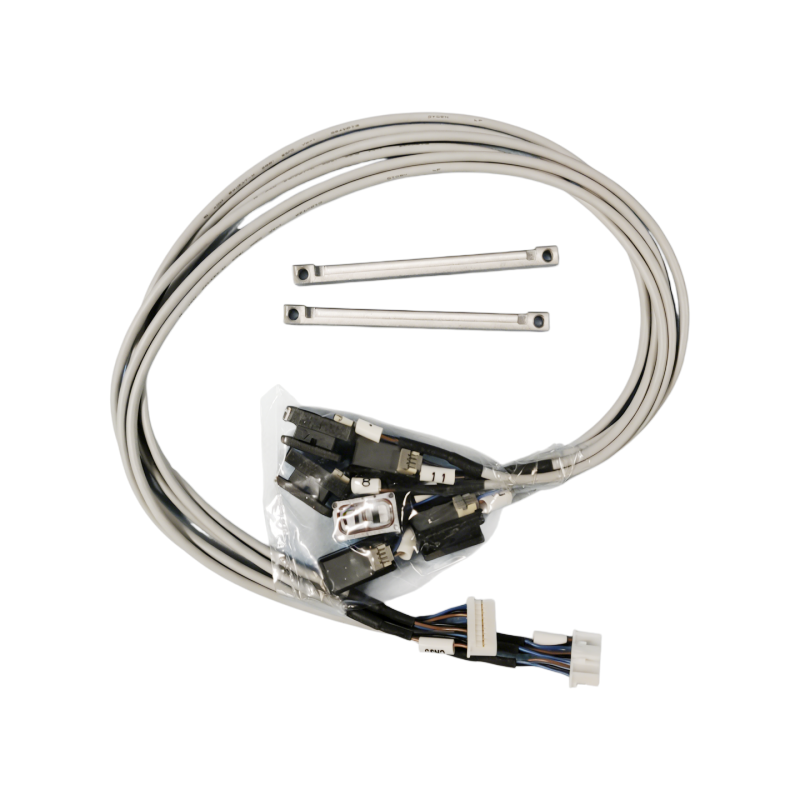
Inspect Cable Harnesses in Motion Chains: Sensors mounted on moving placement heads endure millions of rapid back-and-forth flex cycles inside cable drag chains. Routinely check cable jackets for micro-cracks, internal wire fatigue, or intermittent signal drops caused by physical stress.
-
Perform Periodic Pressure Zero-Point Calibration: Temperature fluctuations can cause subtle signal drift in analog vacuum sensors. Run automated software zero-point calibration routines monthly to re-align baseline vacuum pressure settings.
Driving Efficiency in Global SMT Manufacturing
As global electronics manufacturing shifts toward smart factory automation, higher component densities, and IoT integration, reliance on real-time sensing technology continues to grow. Securing high-quality SMT sensors, feeder parts, solenoid valves, nozzles, and replacement hardware allows surface mount assembly facilities to maintain high precision, minimize component waste, and deliver reliable circuit boards to international markets.