

The Backbone of SMT Efficiency – Understanding Critical SMT Spare Parts

In the high-speed world of Surface Mount Technology (SMT) manufacturing, production uptime and product quality depend on thousands of components working in perfect harmony. While pick-and-place machines, reflow ovens, and inspection systems capture the spotlight, it is the SMT spare parts—the consumables, wear items, and precision components—that truly determine line efficiency and long-term reliability. Without proper attention to these critical elements, even the most advanced SMT line can grind to a halt.
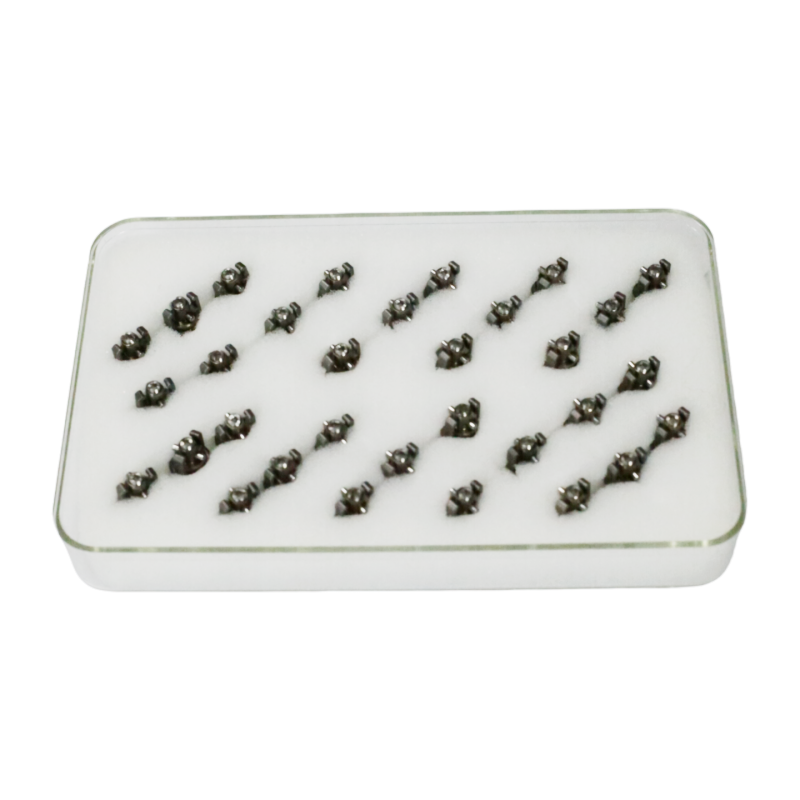
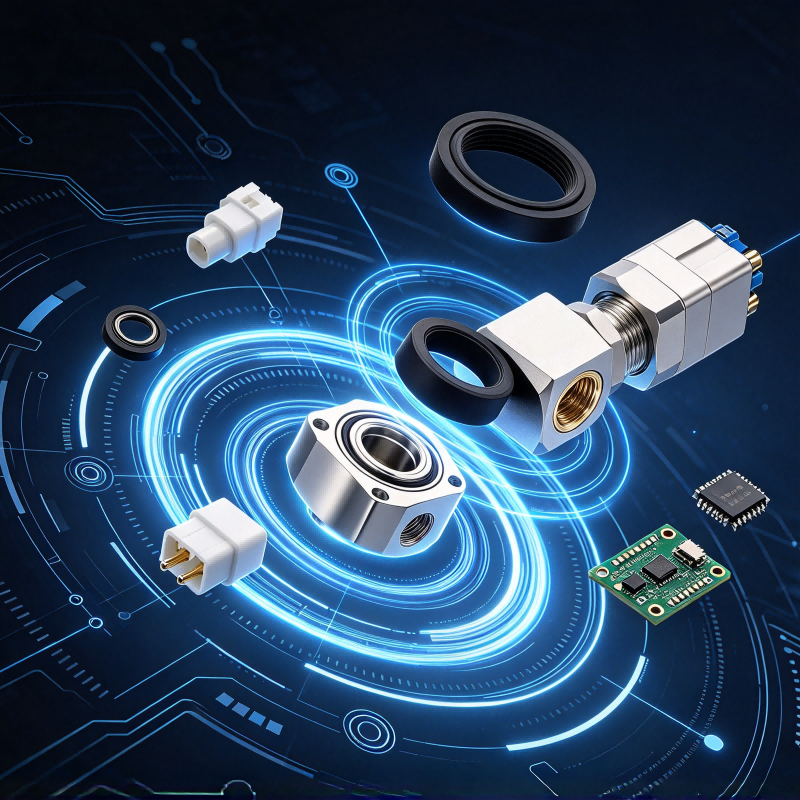
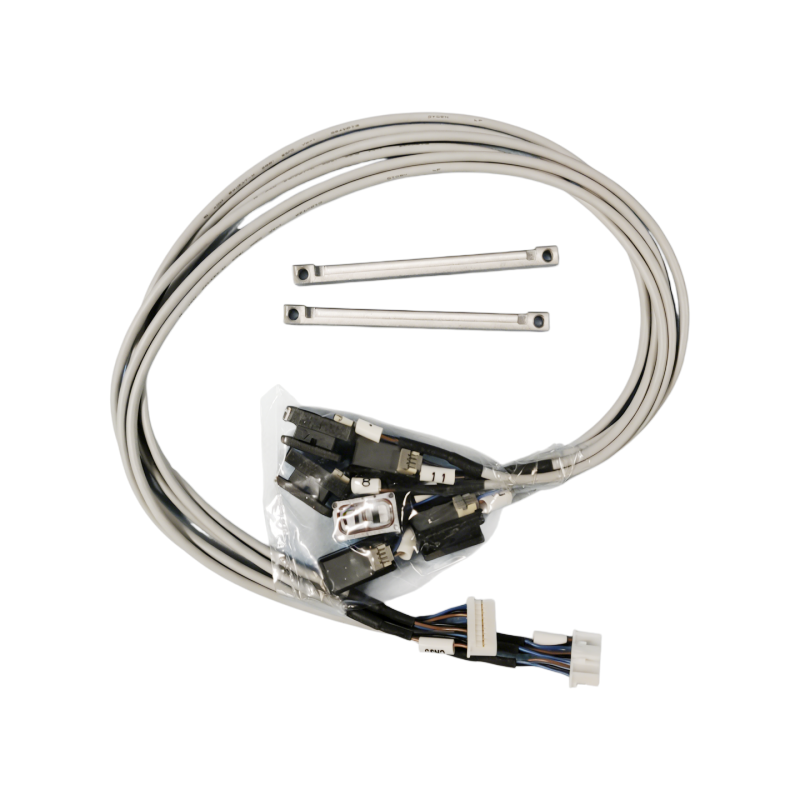
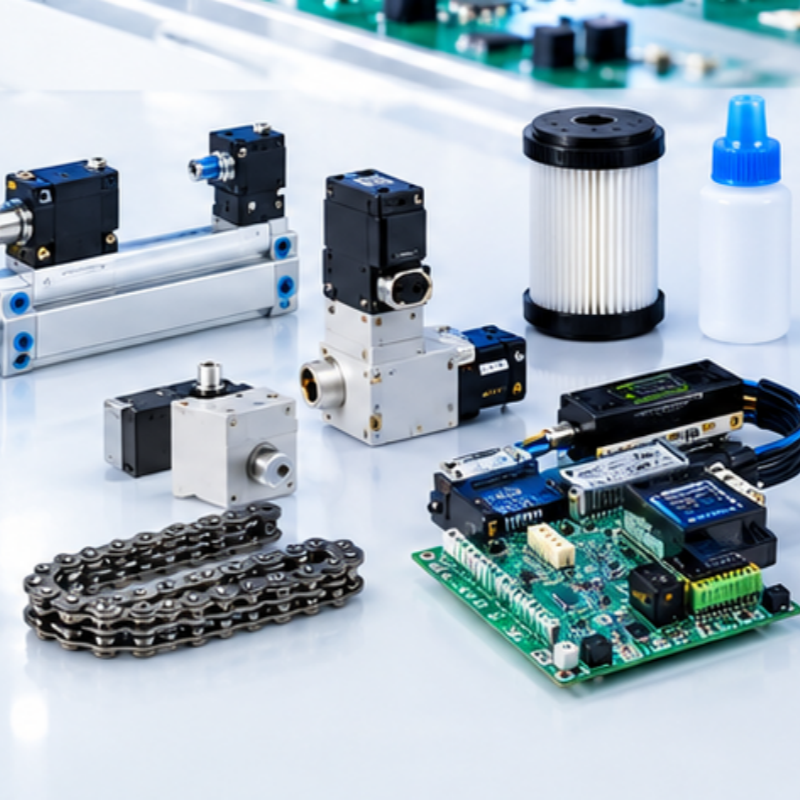
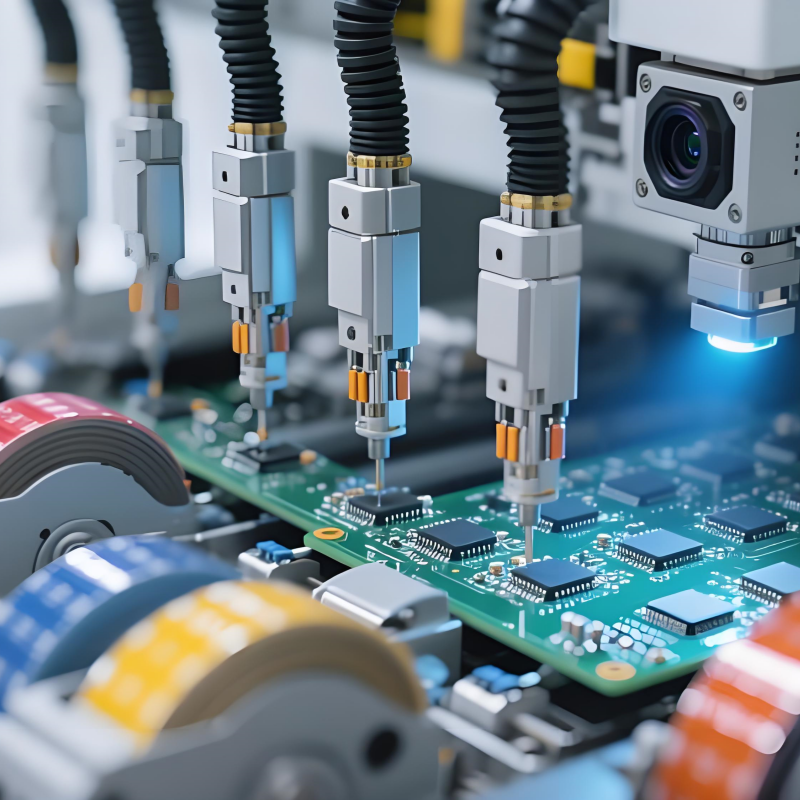
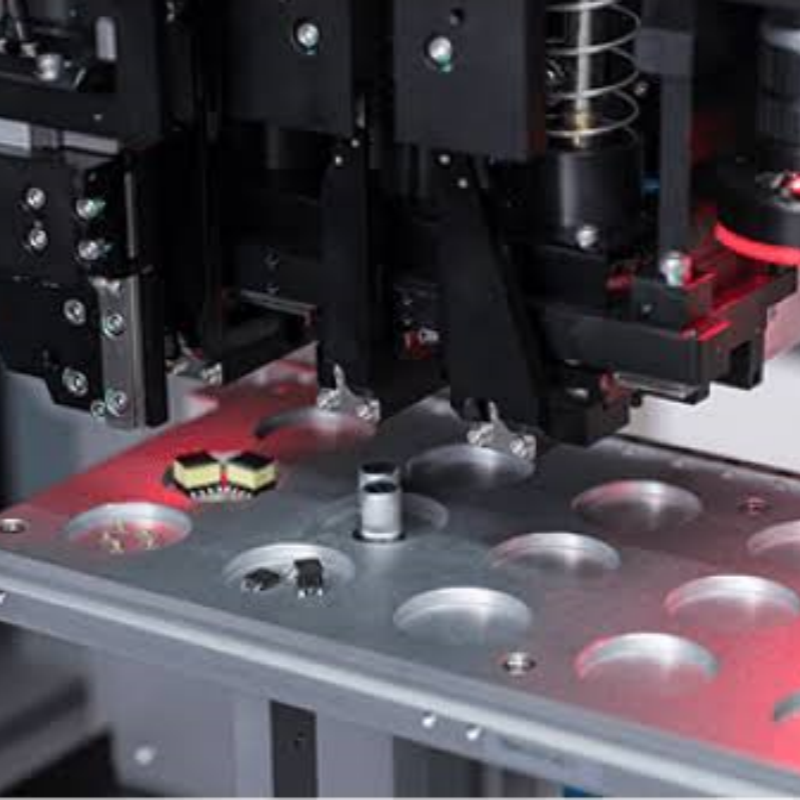
The ecosystem of SMT accessories is vast and varied, encompassing everything from the tiny pick-and-place nozzles that physically handle components to the feeders that supply them, from sensors that guide placement accuracy to filters that ensure clean pneumatic systems. Each of these SMT consumables plays an indispensable role, and understanding their function is essential for any manufacturer serious about maintaining production excellence.
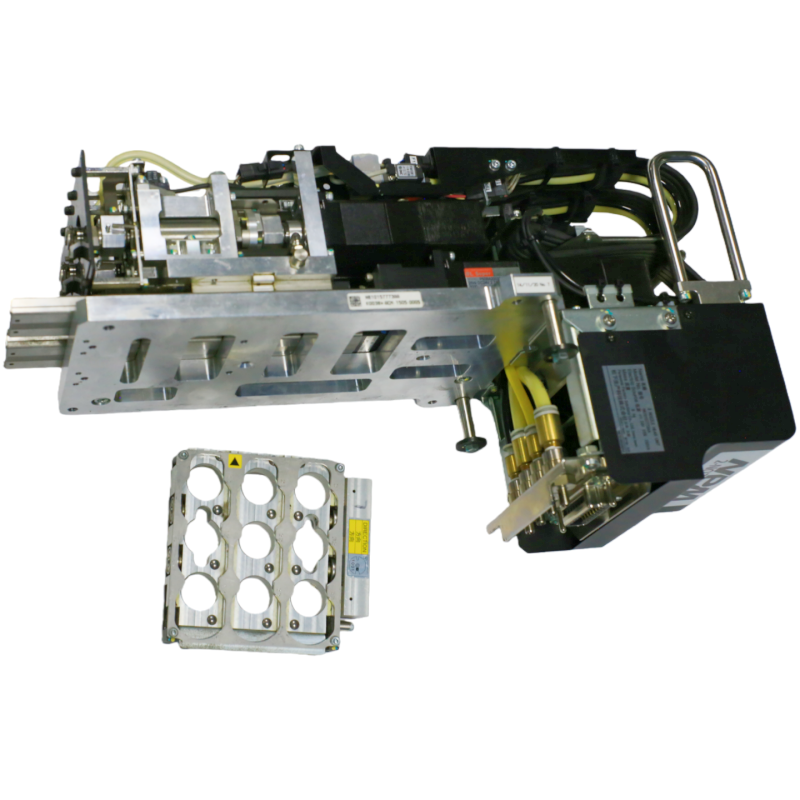
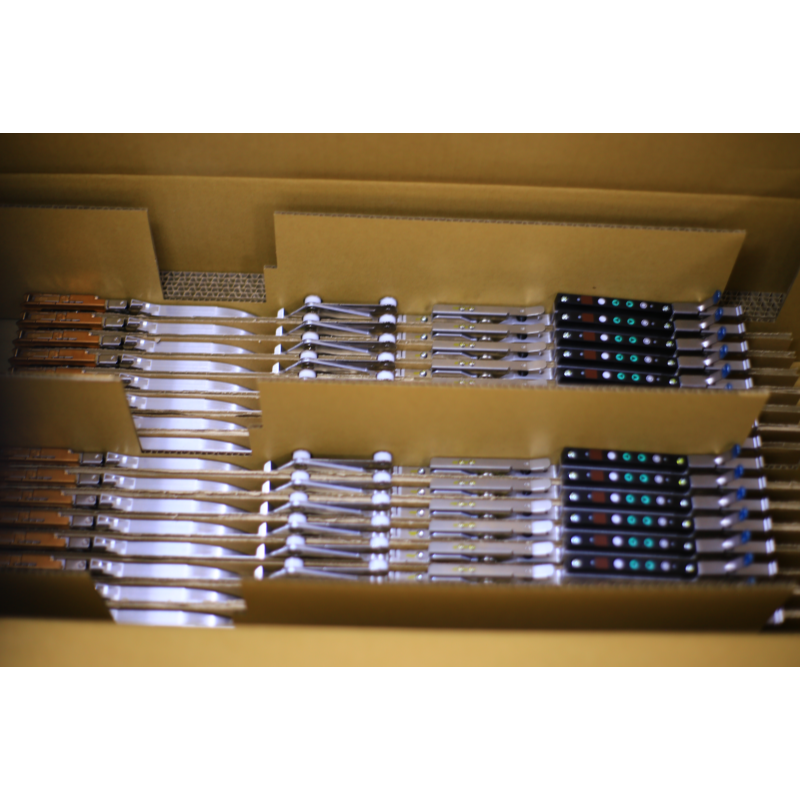
SMT feeders are the starting point of the placement process. These precision mechanisms advance component tapes, presenting each individual component to the placement head at exactly the right moment and position. Feeders come in various types—tape feeders, stick feeders, tray feeders—each designed for different component packages. The reliability of SMT feeder systems is paramount; a malfunctioning feeder can cause missing components, mis-picks, or component damage, leading to costly rework and line stoppages. Regular maintenance, including cleaning and calibration, is essential to keep feeders performing optimally.
Clean, dry compressed air is essential for SMT equipment operation. SMT filters remove contaminants from the compressed air supply, protecting sensitive pneumatic components like vacuum generators, valves, and cylinders. SMT filter elements are consumables that must be replaced regularly—typically monthly. Neglecting filter maintenance can lead to clogged nozzles, reduced suction force, and placement defects. Similarly, cylinders, bearings, and timing belts are all SMT mechanical wear parts that require periodic replacement to maintain equipment precision.
When sourcing SMT replacement parts, manufacturers face choices between original new parts, original used/refurbished parts, and copy/new compatible parts. Original new parts offer guaranteed quality and compatibility but at premium prices. Refurbished original parts provide cost savings with verified functionality. Compatible copy parts are the lowest cost option, but quality can vary significantly, and compatibility is not always guaranteed. For critical applications, the reliability of original parts often justifies the investment.
The message is clear: SMT spare parts and accessories are not afterthoughts—they are essential assets that require strategic management. By investing in quality consumables, implementing proactive maintenance programs, and leveraging intelligent management systems, manufacturers can maximize uptime, ensure consistent quality, and extend the life of their valuable SMT equipment.