
The Complete Guide to SMT Spare Parts: Maximizing Production Efficiency Through Strategic Component Management
In the fast-paced world of electronics manufacturing, the difference between a highly profitable production line and one plagued by costly interruptions often comes down to the quality and availability of SMT spare parts. While the spotlight frequently shines on the advanced optics and placement speeds of modern pick-and-place machines, industry veterans understand that the real battle for efficiency is fought at the component level—where SMT nozzles, feeders, motors, sensors, and countless other consumables work in silent harmony to bring circuit boards to life.
The global Surface Mount Technology (SMT) equipment market has experienced remarkable growth, valued at approximately USD 5.6 billion in 2025 and projected to expand at a compound annual growth rate (CAGR) of 6.8% through 2032. Even more telling, aftermarket revenues—including spare parts, consumables, calibration services, and equipment retrofits—are projected to grow faster than new equipment, at 7-9% CAGR, reflecting the expanding installed base and longer equipment lifespans. SMT accessories, including nozzles, feeders, valves, sensors, and vision systems, account for nearly 25% of total spare parts expenditure in high-volume assembly lines.
This article provides a comprehensive overview of the complete SMT spare parts ecosystem, covering everything from mechanical consumables to electronic drive components, major equipment brands, and the strategic importance of proactive parts management.
Part One: The Complete SMT Spare Parts Ecosystem
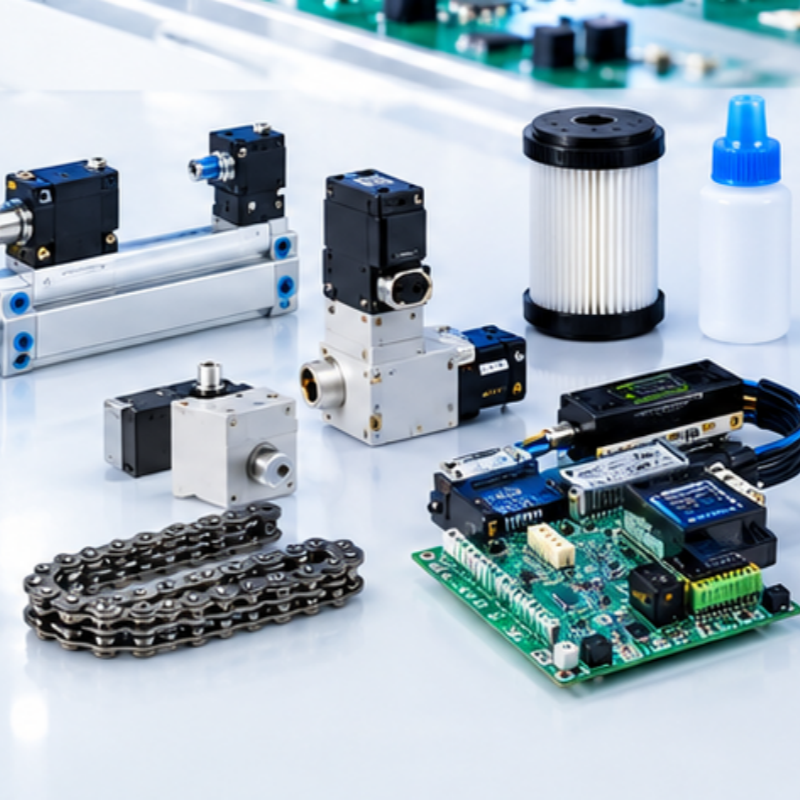
A modern SMT line is a complex ecosystem of equipment from various vendors. A typical setup includes solder paste printers, pick-and-place machines, reflow ovens, and inspection systems. To maintain seamless operations, assemblers must maintain a robust inventory of SMT machine parts and consumables. This inventory extends far beyond just nozzles and feeders—it encompasses a wide range of mechanical, electronic, and ESD-safe components.
1. Mechanical Consumables (The Wearables)
This category represents the highest turnover in any SMT line and includes:
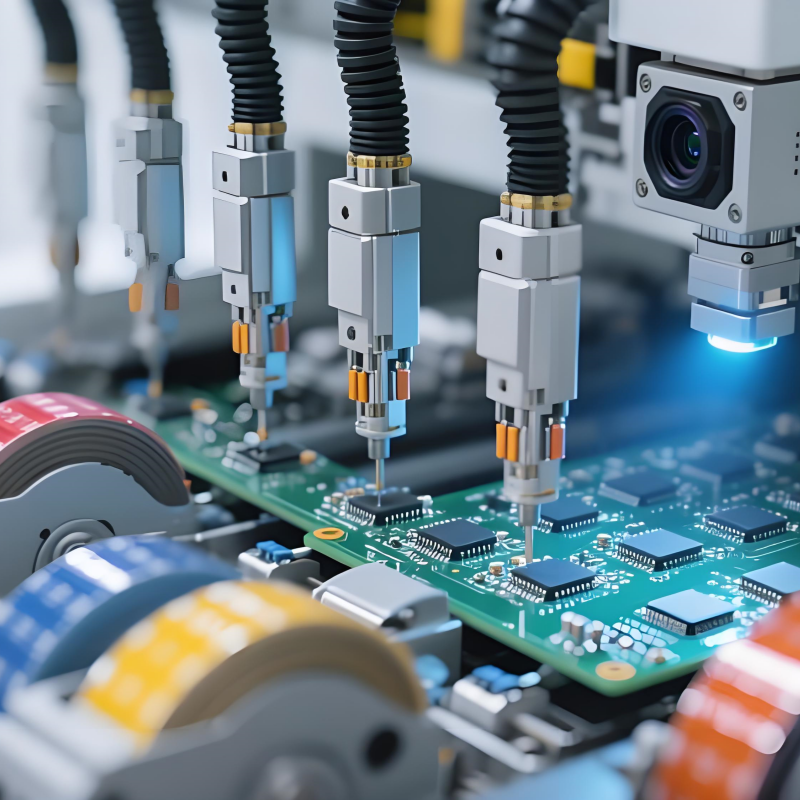
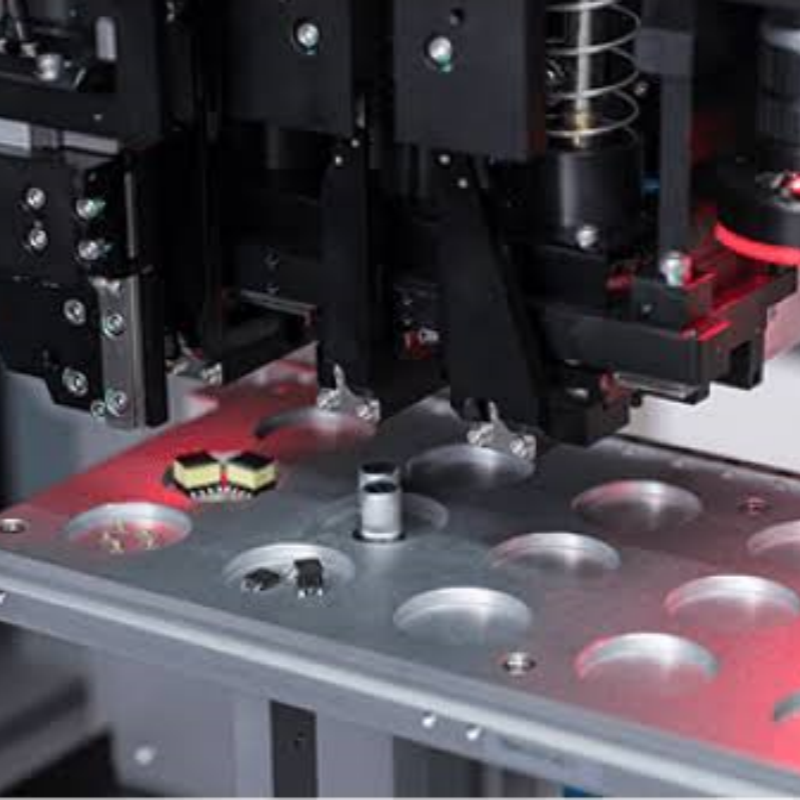
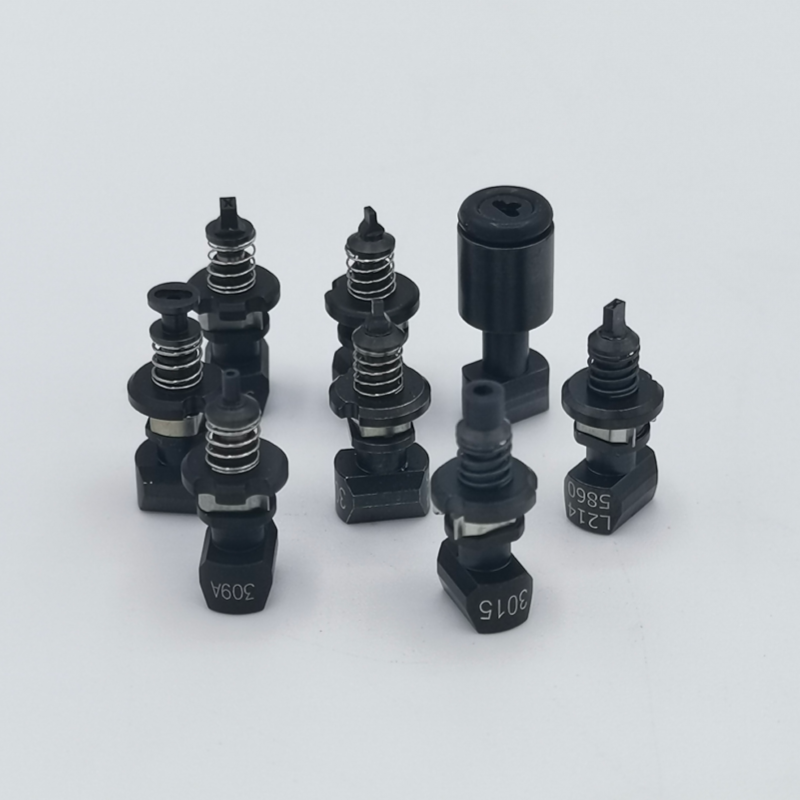
SMT Nozzles: Often described as the "delicate, precise hands" of the placement machine, these small vacuum-based tools are attached to the placement head and are responsible for the physical act of picking up and placing each component. Nozzles come in a vast array of shapes and sizes, each meticulously designed to handle specific components—from tiny 01005 resistors to large, fragile connectors. Using a worn or incorrect nozzle can lead to dropped chips, skewed placements, or damaged parts.
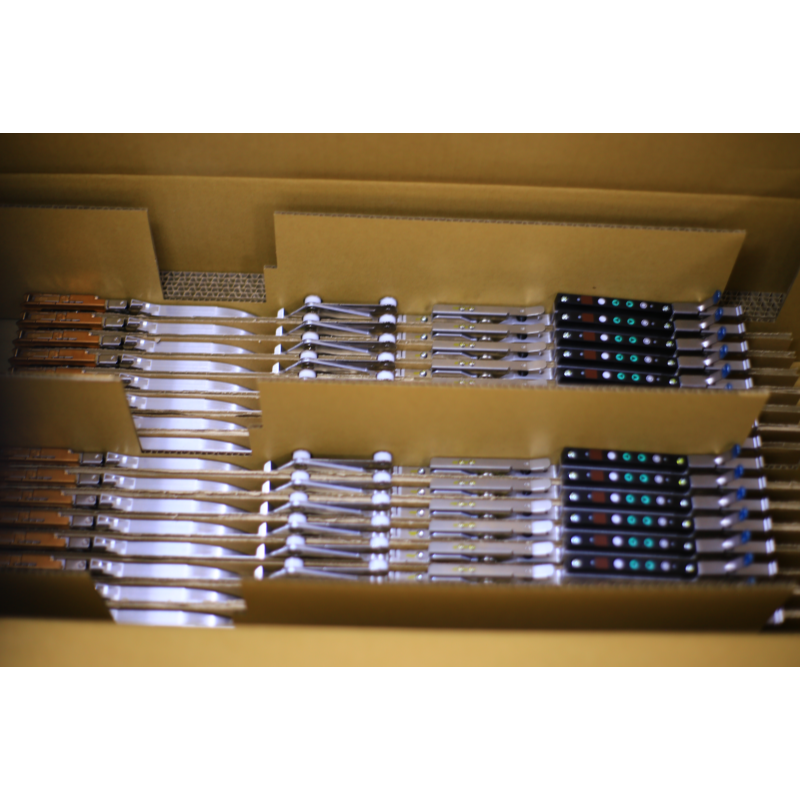
SMT Feeders: These devices are the "steadfast librarians" of the SMT line, responsible for storing and presenting components to the machine with unwavering consistency. Mounted on the machine's platform, they hold reels of tape-packed components, feeding them forward one by one to the exact pickup location. A single misfeed can cause a jam or misplacement, bringing a high-speed line to a grinding halt. Feeders are available in various types, including tape feeders, IC tray feeders, stick feeders, and vibration feeders.
Solder Paste Scrapers (Squeegees): Used in the solder paste printing process, scrapers must have the correct angle and hardness. A poor-quality scraper leads to inconsistent paste deposition, causing bridging or insufficient solder joints on the PCB.
Filters and Belts: These components are essential for maintaining machine performance. Filters prevent contamination from reaching sensitive areas, while drive belts transfer motion from motors to various mechanical assemblies.
2. Electronic and Drive Components (The Critical Parts)
To keep production lines running and minimize downtime, factories must stock critical electronic spares:
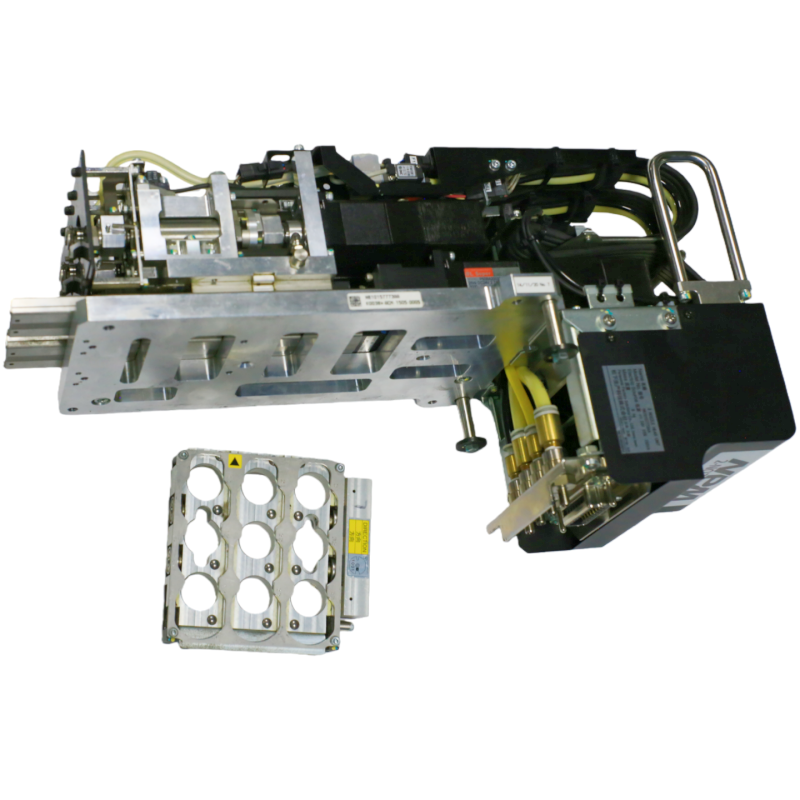
Servo Motors and Drivers: These components control the precise movements of placement heads, feeder mechanisms, and conveyor systems. For major brands like Fuji and Panasonic, a faulty servo motor can shut down an entire line until a replacement is sourced.
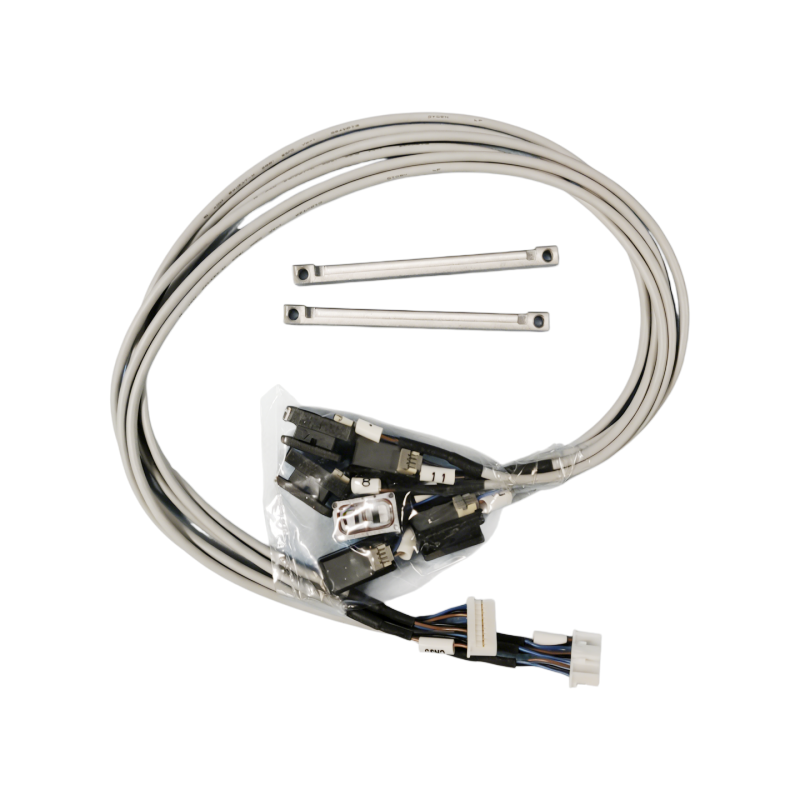
Controller Boards and Sensors: These electronic components serve as the "brain" and "nervous system" of SMT equipment. Sensors detect component presence, measure placement height, and ensure proper alignment.
Vision Systems and Cameras: Components like the CYBEROPTICS camera and laser units used for component measurement are high-value items that require specialized maintenance and occasional replacement.
3. ESD-Safe Handling Tools
With the increasing miniaturization of components, ESD (Electrostatic Discharge) safety is paramount:
Anti-Static Turnover Boxes: Used for transporting PCBs between production stages without risking static damage.
ESD-Safe Tweezers and Measurement Instruments: Essential for manual handling and inspection of sensitive electronic components.
Ionizer Fans: These devices neutralize static charges in the work environment, preventing ESD damage to components.
4. Peripheral Equipment and Consumables
Beyond the core machine parts, SMT lines require a range of supporting consumables and tools: SMD Component Counters, Splice Tapes and Splice Tools, Stencil Clean Wiper/Paper, Nozzle Cleaners, and SMT Lubricants (brands like Klüber, JUKI, Yamaha, and NSK).
Part Two: Major SMT Equipment Brands and Compatible Spare Parts
The SMT industry is served by a range of leading equipment manufacturers, each with its own ecosystem of compatible spare parts. A comprehensive SMT spare parts supplier must be able to support multiple brands to serve the diverse needs of EMS providers and PCB assemblers.
Leading SMT Equipment Brands
Yamaha: One of the most recognized names in pick-and-place equipment. Compatible spare parts include Yamaha nozzles, feeders, and electronic components.
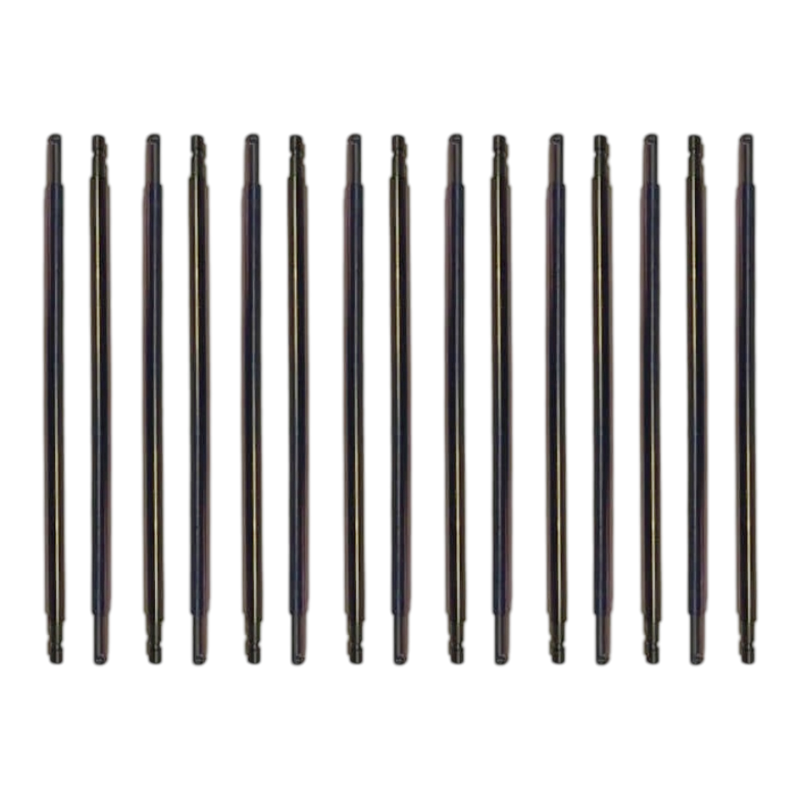
Panasonic (KME): Including the popular CM and NPM series, requires specialized Panasonic nozzles, shafts, motors, and feeder parts.
Fuji: Such as the CP and NXT series, use specific Fuji nozzles, feeder parts, and electronic components.
JUKI: Requires a wide range of JUKI spare parts, including nozzles, feeders, motors, sensors, lasers, filters, ejectors, drivers, and boards.
Siemens/SIPLACE: Known for their modular design and require compatible feeders, nozzles, and electronic parts.
Other Major Brands: Includes Hitachi, Sanyo, Assembleon (Phillips), Samsung, Mirae, I-Pulse, Universal, and Sony.
Printer and Inspection Equipment Brands
Solder Paste Printers: Brands like DEK, MPM, and GKG require specialized printer parts, including squeegee blades, holders, and camera systems.
AOI (Automated Optical Inspection) Systems: Inspection equipment from Saki, TRI, Mirtec, and others requires regular maintenance and occasional parts replacement.
Reflow Ovens: Brands like Heller require specific motors, heating elements, and control components.
Part Three: OEM vs. Compatible SMT Spare Parts
For years, the market was heavily skewed toward Original Equipment Manufacturer (OEM) parts. However, third-party manufacturers now utilize advanced CNC machining and high-grade raw materials to produce parts that meet or exceed OEM specifications.
Advantages of Compatible SMT Spare Parts
Cost Savings: Compatible parts typically offer savings of 30-40% compared to OEM equivalents.
Faster Delivery: With large ready-stock inventories, specialized suppliers can often ship parts within 1-5 working days.
Broad Compatibility: Suppliers offering cross-compatible parts simplify logistics for EMS providers.
Technical Support: Experienced SMT spare parts suppliers provide technical guidance on part selection.
Part Four: SMT Spare Parts Maintenance and Management Strategies
Preventive Maintenance Schedules
Regular maintenance is essential for maximizing the lifespan of SMT spare parts. This includes daily Nozzle Maintenance, 3-month cycle Feeder Maintenance, and periodic Sensor and Camera Calibration.
Inventory Management Best Practices
Safety Stock Levels: Industry best practice suggests keeping 2-4 weeks of safety stock for critical SMT spare parts.
Supplier Partnerships & "One-Box Solution": Working with a reliable supplier who maintains extensive inventory across multiple brands reduces the headache of managing multiple vendors.
Predictive Maintenance and AI Integration
Artificial Intelligence (AI) and machine learning are transforming SMT spare parts from passive components into intelligent systems, reducing unplanned downtime by up to 40%.
Part Five: Emerging Trends in SMT Spare Parts
Miniaturization: Market analysts predict that by 2028, over 70% of SMT lines will require miniaturized SMT accessories to meet 5G mmWave and edge AI computing demands.
Refurbished SMT Spare Parts: Gained traction as a cost-effective alternative, offering up to 60% savings for high-value components like servo motors and vision systems.
Sustainability: Manufacturers are extending equipment lifespans through proactive maintenance, shifting the aftermarket vs. new equipment ratio.
Conclusion
In the high-stakes world of electronics manufacturing, reducing SMT line downtime is not always about upgrading machines. In many cases, stable production comes from proper spare parts management and preventive replacement. Quality SMT spare parts help maintain accuracy, reduce unexpected stops, and improve overall production efficiency. Whether you operate Yamaha, Panasonic, Fuji, JUKI, Siemens/SIPLACE, or any other major brand, a comprehensive understanding of your SMT spare parts needs is essential for maintaining competitive advantage.