

The Silent Killers in SMT Assembly: Why Nozzle and Feeder Maintenance Determines Your Bottom Line
In the high-stakes world of electronics manufacturing, the difference between a profitable quarter and a loss often comes down to the smallest components—specifically, the SMT Feeder and the Pick and Place Nozzle. While the spotlight frequently shines on the advanced optics and placement speeds of modern placement machines, industry veterans understand that the real battle for efficiency is fought at the component level.
To maintain a competitive edge in 2026, EMS providers and PCB assemblers must scrutinize the condition of their SMT consumables with the same rigor they apply to their mainframe machinery. The global SMT assembly line market has reached an estimated $11.3 billion in 2025 and is projected to climb to $18.9 billion by 2034, with a sustained CAGR of 6.5%. Yet behind these impressive numbers lies a sobering reality: over 80% of manufacturers report that their existing production lines suffer from significant efficiency gaps rooted in fragmented equipment maintenance practices.
The High Cost of Downtime
Industry data suggests that a single hour of downtime on a high-speed placement line can cost thousands of dollars in lost production. In many cases, the root cause is deceptively trivial: a sticking nozzle or a worn feeder tape. Many unexpected line stops are not caused by major machine failures, but by small and frequently overlooked spare parts. The reliance on Original Equipment Manufacturer (OEM) parts often exacerbates this issue. While OEMs guarantee fit, the lead times and premium pricing can cripple a production schedule. This is where high-quality, compatible aftermarket parts are transforming the industry.
The Critical Role of the Pick-and-Place Nozzle
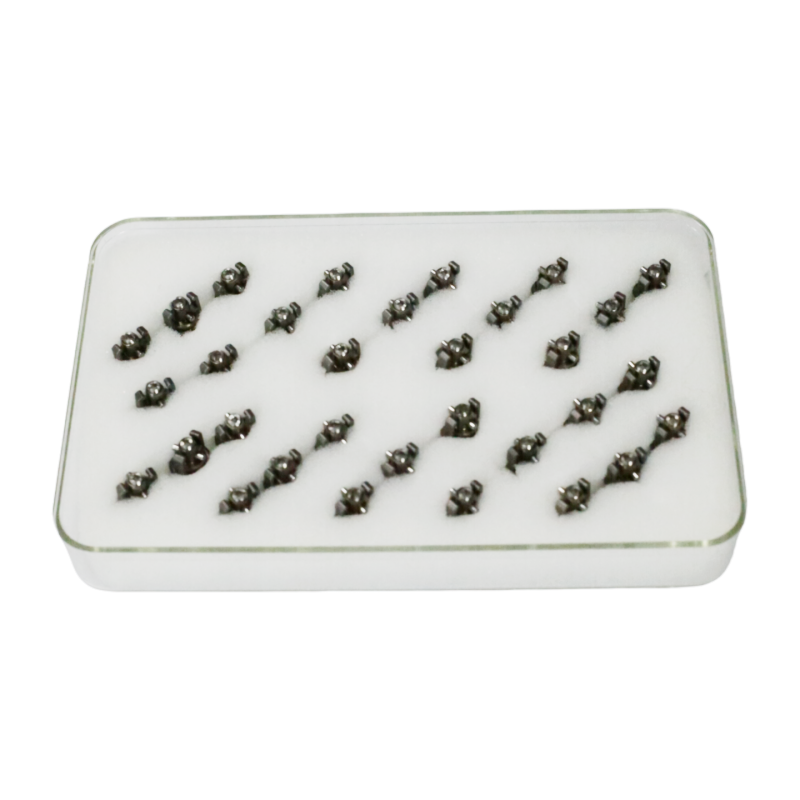
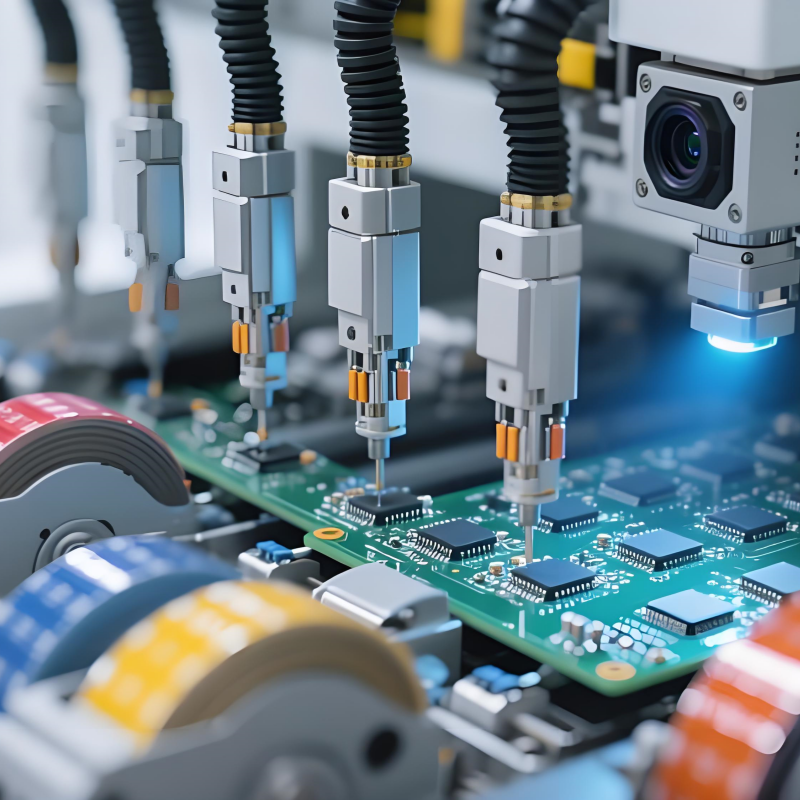
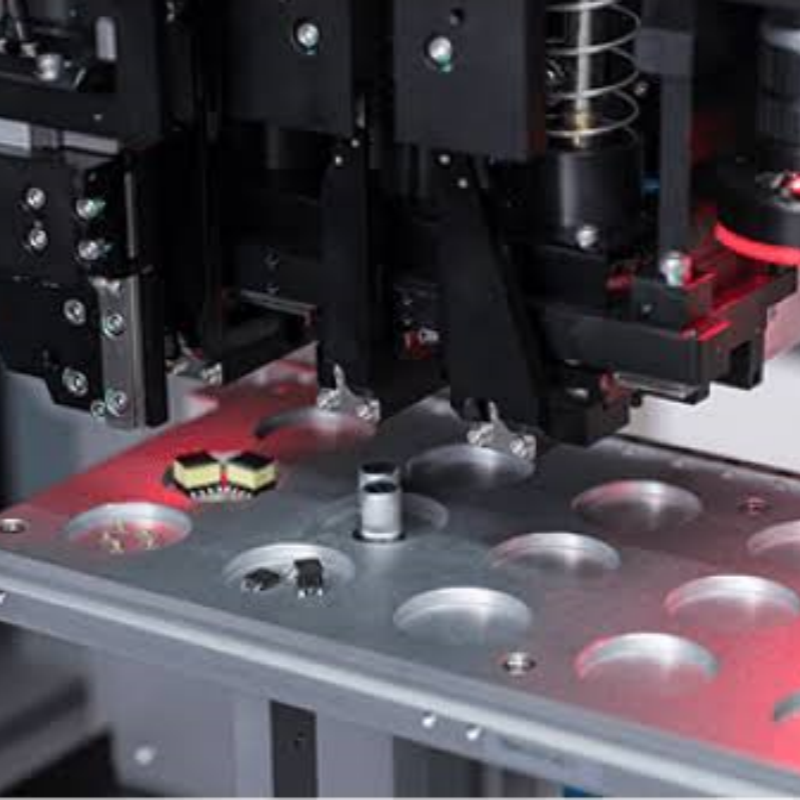
Pick-and-place nozzles are the "hands" of the SMT line. They are the first and last things to touch every passive component, IC, and connector placed onto a PCB. The process involves five distinct stages: Picking, Holding, Transport, Placement, and Release. Even the most advanced machine is rendered useless if the nozzle fails at any of these stages. No SMT equipment can place components accurately and run efficiently without quality nozzles and feeders—these two factors are the core of the pick-and-place process.
With electronic component sizes reaching microscopic proportions—with 01005 passive components now standard in consumer electronics and 008004 packages entering production—nozzle manufacturers must strive to maintain precision tolerances and exact dimensions in their designs. Pick-and-place nozzles can move tens of thousands of parts every hour, comprising a placement machine's components per hour (CPH) rating. They have to hold the part during transport to the board while the machine is moving and/or rotating at high speeds.
Five Major Issues with Poor-Quality Nozzles
If your company is still using substandard or poorly maintained nozzles, you are likely experiencing one or more of the "Silent Killers" of SMT assembly:
1. Loss of Vacuum
This is the primary culprit for "missing components." If the vacuum pressure is compromised—often due to internal wear or poor manufacturing tolerances—the nozzle cannot securely pick the component from the feeder. This leads to "skipped" components and erratic placement. One of the main reasons for less suction and the loss of vacuum is that the quality of the nozzles isn't maintained during the manufacturing process. Poor quality nozzles can cause extra fatigue on the pick-and-place equipment as it must consistently acclimatize to maintain efficiency.
2. Short or Worn Tips
Nozzles wear down over time. If a nozzle tip is too short, the component won't be embedded correctly into the solder paste, leading to "tombstoning" or shifted parts after reflow. When the part is not placed into the paste correctly, there is not enough surface tension to hold the part while the PCB is moving. Regular inspection for tip wear is non-negotiable. On the other hand, nozzle tip wear can also cause less vacuum to be generated and cause parts to drop or shift during transport. Sourcing nozzles with specialized coatings or ESD (Electrostatic Discharge) dissipating materials can extend lifespan significantly.
3. Sticking Mechanisms
Exposure to heat and flux residue can cause the nozzle shaft to stick. This drastically changes the height at which the nozzle is presented. This issue is often tied to the quality of the material used to manufacture the nozzle. Over time, certain plastics and metals can deform, causing the nozzle to not fit correctly in its holder. This results in the nozzle sticking during the Picking, Transport, or Placement stages, often resulting in crushed components or misalignment.
4. Rejection Rate Spikes
High rejection rates at the AOI (Automated Optical Inspection) station are often traced back to poor nozzle condition. Common causes include components not being presented to the nozzle in a consistent position, poor nozzle lighting, degradation of reflective disks over time, dirty reflective disks, poor quality of reflective disks, incorrect nozzle height, stuck nozzles from part height incorrectly set in program, nozzles worn beyond their tolerances, and incorrect length tolerances on nozzles.
5. Electrostatic Discharge Damage
Perhaps the most insidious issue is ESD Damage. Constant movement creates a charge on the nozzle tip. Without proper ESD dissipating materials, this charge can arc and destroy sensitive semiconductor devices, causing latent failures that only appear when the product is already in the field. New advancements in ceramics, ESD material, and special coatings allow nozzle manufacturers to design nozzles with amazing durability and toughness, especially under the extreme conditions in which they work.
The Modern Approach: Feeder Precision and Maintenance
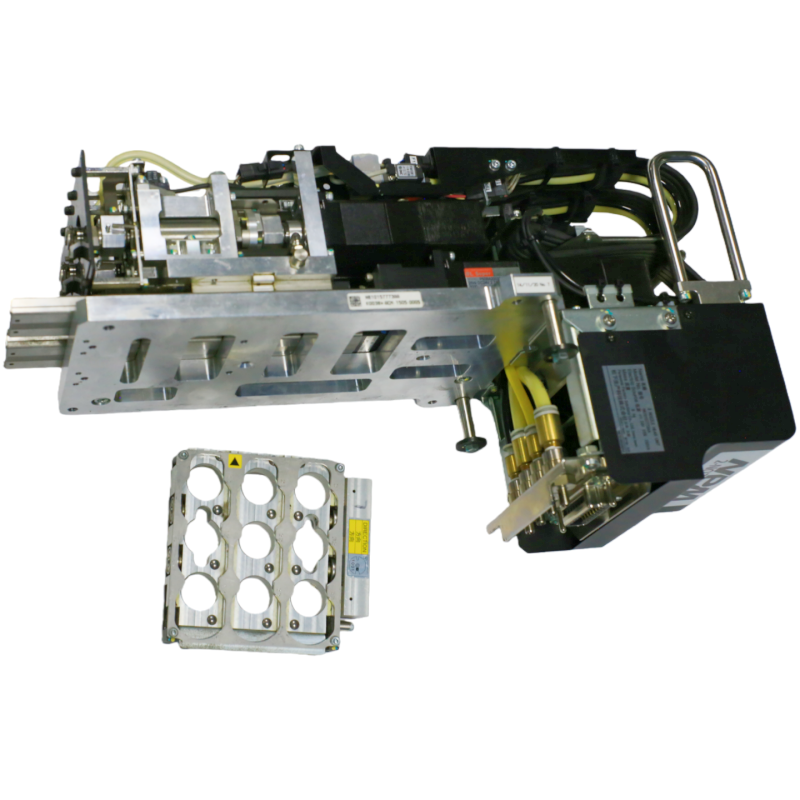
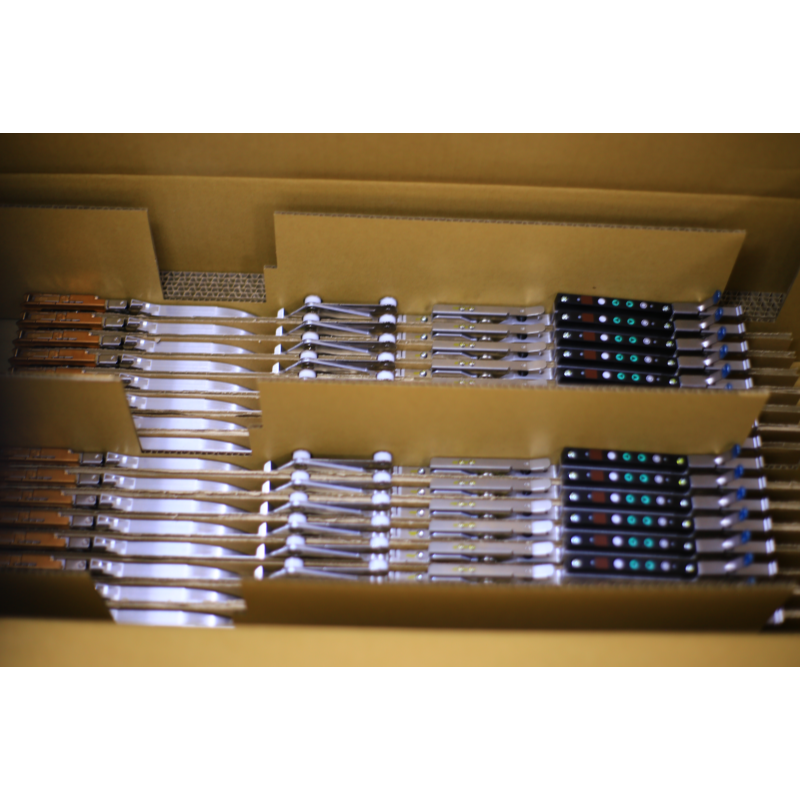
Alongside the nozzle, the SMT Feeder is the other half of the accuracy equation. Feeders are responsible for presenting the component tape to the nozzle at the exact right location, every single time. For brands like JUKI, Yamaha, Panasonic, Fuji, and Siemens/SIPLACE, the feeder requires meticulous maintenance.
Preventive Maintenance schedules are vital. For the feeder, a common recommendation is a 3-month maintenance cycle, involving cleaning, lubrication, and calibration using specialized jigs. Neglected feeders often cause "picking errors" where the component is not presented in the correct pocket, leading to the nozzle bending or failing to pick. Feeder performance will degrade without proper maintenance. Regular cleaning, lubrication, and calibration are essential.
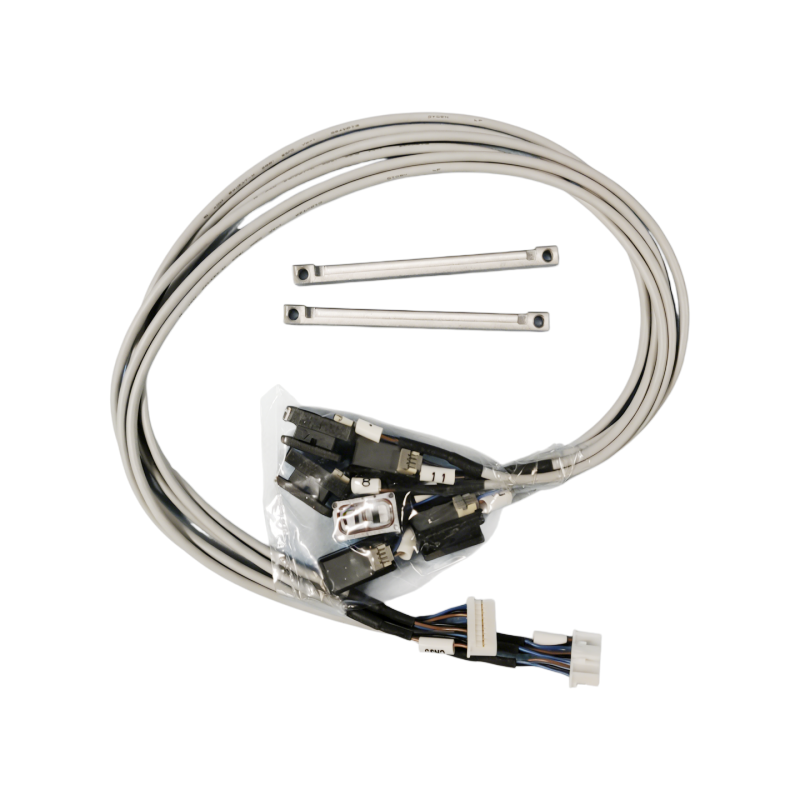
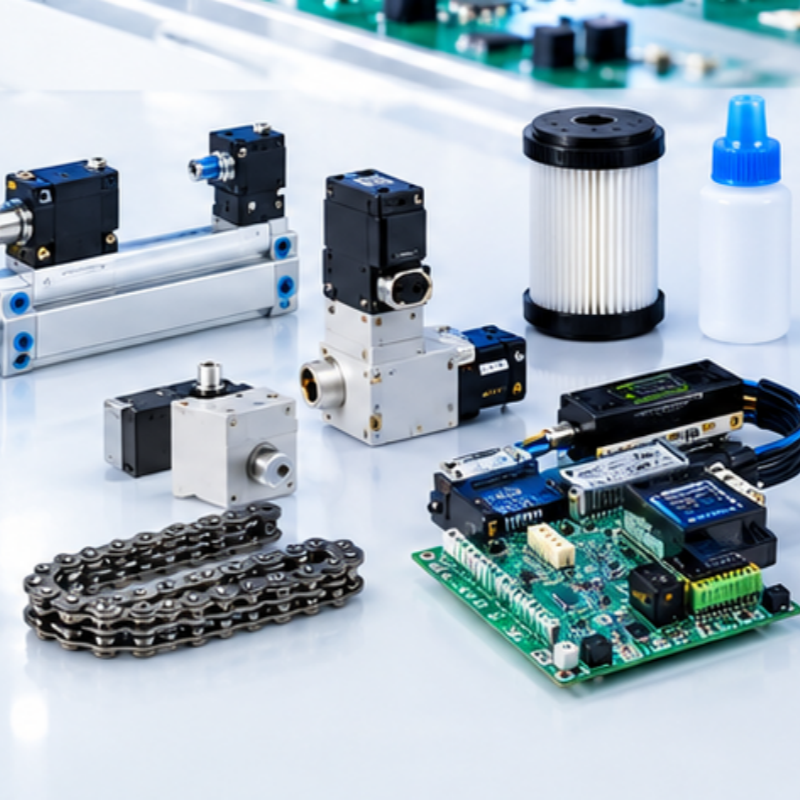
By sourcing SMT spare parts from a specialized supplier, manufacturers can reduce lead times from weeks to days. Whether it is refurbished SMT equipment or high-durability replacement parts, the value proposition is clear: reduce your Cost of Ownership (COO) without sacrificing the quality of your electronics assembly. Many experienced SMT factories now treat spare parts as part of production planning rather than maintenance response. A reliable supplier should provide stable quality across batches, fast delivery for urgent needs, technical understanding of SMT production environments, and compatible parts for multiple machine brands.
Conclusion
In real production situations, the ability to quickly replace a worn part often matters more than saving a small amount on purchase cost. Reducing SMT line downtime is not always about upgrading machines or investing in new equipment. In many cases, stable production comes from proper spare parts management and preventive replacement. Quality SMT spare parts help maintain accuracy, reduce unexpected stops, and improve overall production efficiency. For factories aiming to keep lines running smoothly, building a reliable spare parts strategy is one of the simplest and most effective long-term solutions.