- Home
- Products
- About Us
- Application
- FAQ
- News
- Contact Us
Leave Your Message
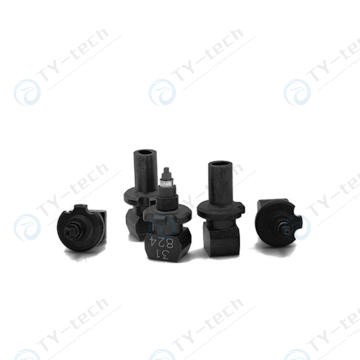
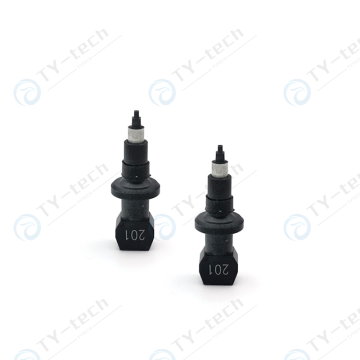
Optimize your LED assembly line with precision-engineered nozzles and feed control units designed for high-density components.
The global electronics manufacturing market is witnessing an unprecedented surge in demand for advanced optoelectronics, driven by the rapid commercialization of high-definition LED displays, MiniLED backlights, MicroLED screens, and energy-efficient solid-state lighting. At the heart of this manufacturing revolution lies the Surface Mount Technology (SMT) process, where the PCB stencil machine serves as the foundational gatekeeper of production yield and reliability.
Unlike standard consumer electronics, LED displays and lighting panels present unique physical and structural profiles. LED display boards often feature massive arrays of thousands of tiny RGB LEDs placed in ultra-tight pitches, while LED strip lighting requires printing on exceptionally long, flexible substrates. In both contexts, the solder paste printing phase is responsible for over 65% of all SMT defects. Consequently, selecting and optimizing a specialized PCB stencil machine is no longer just an operational decision—it is a critical commercial strategy for manufacturers aiming to minimize rework cost, maximize throughput, and achieve zero-defect quality standards.
Demands stencil aperture positioning tolerance down to ±10 microns to prevent bridging and tombstoning on sub-100μm pads.
Requires dedicated clamping mechanisms and support tooling to handle PCBs up to 1500mm in length without warping.
Requires rapid cleaning cycles and optimized squeegee speed control to match the blistering placement speeds of modern mounters.
Printing solder paste for LED display boards is vastly different from standard digital boards. The sheer density of components means that even a minor variation in paste volume can render an entire pixel block defective.
One of the primary challenges is solder paste release consistency. Because MiniLED components use micro-level pads, the stencil apertures must be incredibly small. If the area ratio of the aperture is too low, the paste sticks to the stencil walls rather than transferring to the PCB. Modern stencil machines address this by utilizing advanced ultrasonic squeegee systems and vacuum-assisted stencil cleaning cycles to keep apertures clear.
Additionally, long LED strip boards (often used in architectural and automotive lighting) tend to bend or flex during transport. Without robust, programmable board clamping and vacuum nesting systems, uneven printing pressure occurs, leading to varying solder paste heights across the board surface.
In high-end commercial displays, such as control room video walls and virtual production screens, Chip-on-Board (COB) technology is rapidly replacing traditional SMD packaging. Here, bare LED dies are mounted directly onto the PCB substrate. This requires printing solder paste onto microscopic pads with pitch sizes down to 0.4mm or lower. The PCB stencil machine must achieve extreme precision, utilizing electroformed stencils and Type 5 or Type 6 solder pastes. Any printing misalignment will immediately result in dead pixels, which are costly and difficult to rework.
Linear lighting fixtures and LED backlights for TVs require PCBs that range from 600mm to over 1500mm in length. Standard SMT printers cannot handle these dimensions in a single cycle. Custom-designed LED stencil printers feature extended conveyor rails, specialized multi-stage clamping systems, and segmented printing profiles. The machine prints the entire length in a single, fluid stroke or utilizes a highly coordinated step-and-repeat mechanism to ensure seamless print quality from end to end.
Modern automotive lighting systems rely on adaptive matrix LEDs that adjust beam patterns dynamically based on driving conditions. These assemblies combine high-power LEDs with complex driver ICs on heavy copper-clad PCBs or metal-core PCBs (MCPCBs) designed for thermal dissipation. The stencil printer must manage these high-density, heavy-weight boards, applying uniform paste deposits that can withstand the harsh thermal and mechanical stresses of automotive environments.
The future of LED SMT manufacturing is defined by automation, data connectivity, and intelligent optimization. As production lines move toward Industry 4.0 standards, the PCB stencil machine is evolving from a standalone hardware unit into an intelligent node within a connected ecosystem.
SPI Closed-Loop Feedback: Modern stencil machines communicate directly with 3D Solder Paste Inspection (SPI) systems down the line. If the SPI detects a trend towards paste misalignment or insufficient volume, it automatically sends correction data back to the stencil printer. The printer then adjusts its alignment coordinates or triggers an extra cleaning cycle in real-time, preventing defects before they occur.
Predictive Maintenance and AI: By monitoring squeegee wear, blade pressure, and cleaning solvent levels, integrated AI algorithms can predict when components need replacement or maintenance, reducing unscheduled downtime in high-volume LED lighting factories.
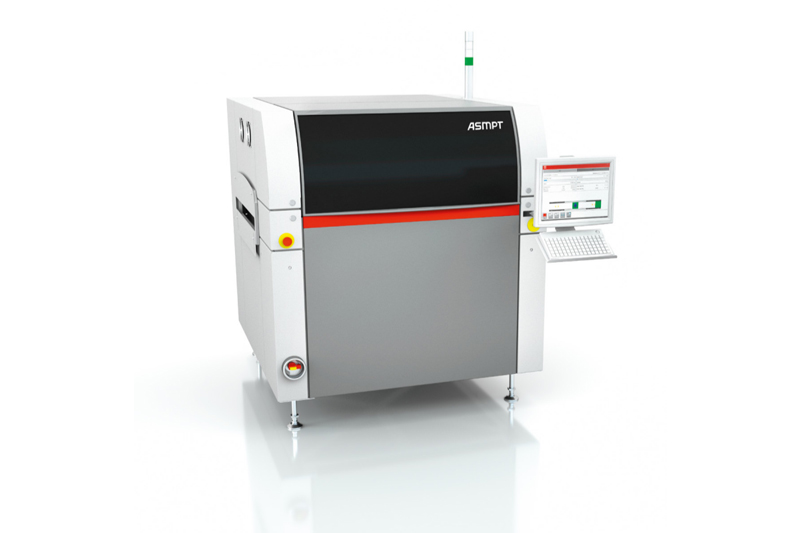
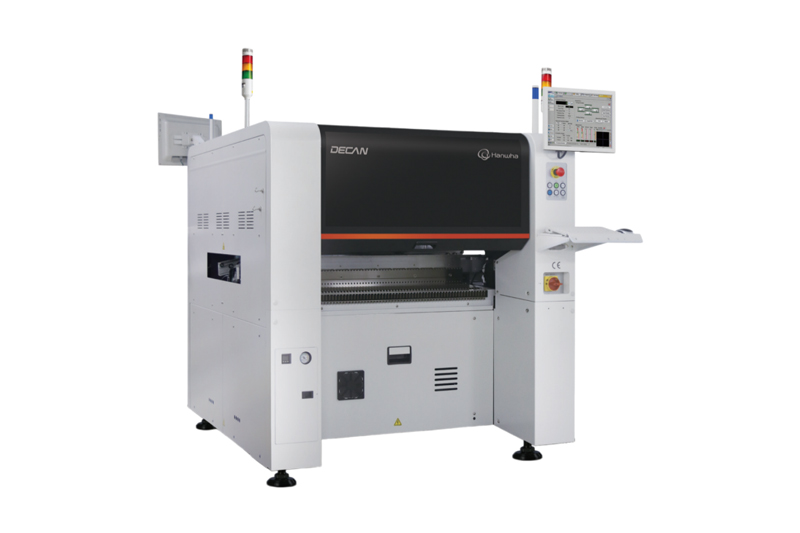
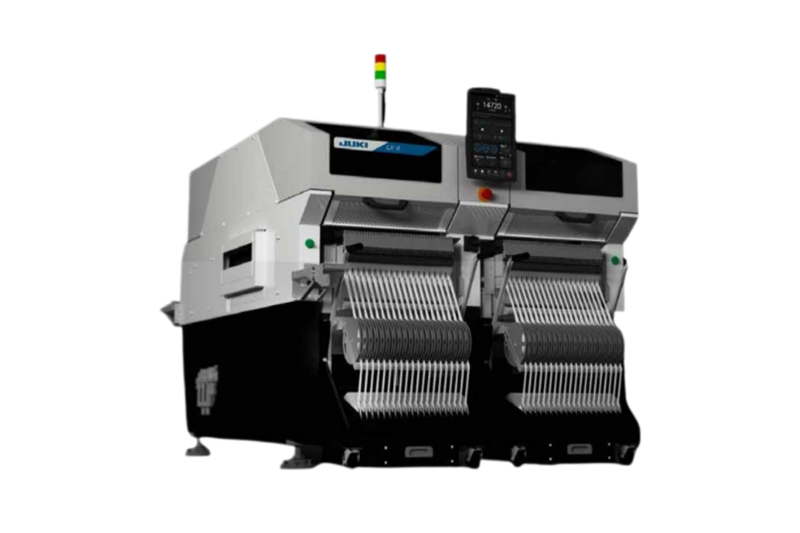
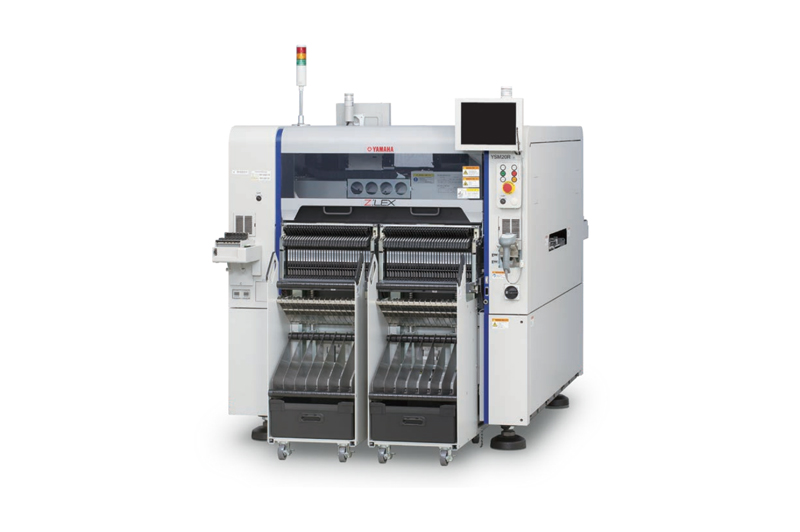
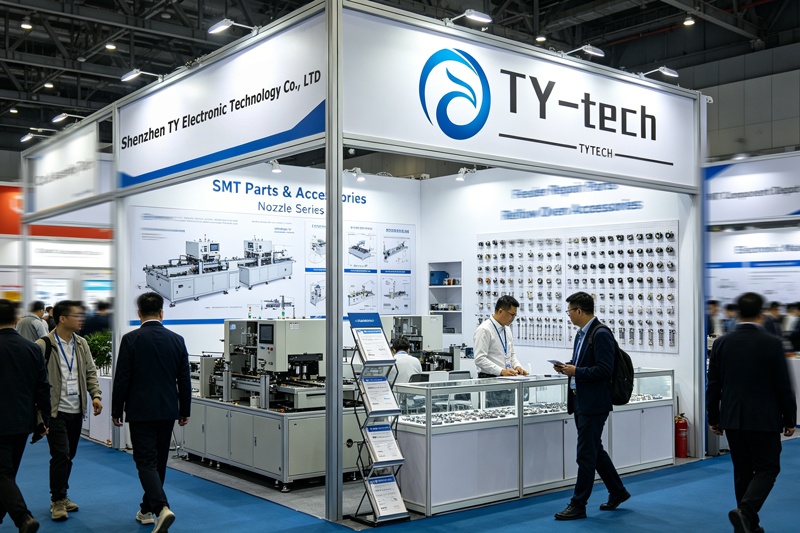
Take a look inside our state-of-the-art SMT equipment manufacturing facilities, where precision, R&D, and quality control come together.

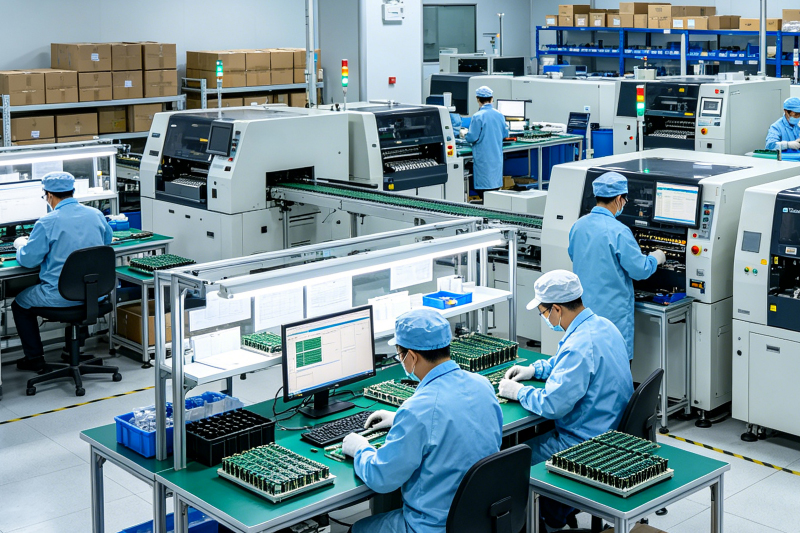
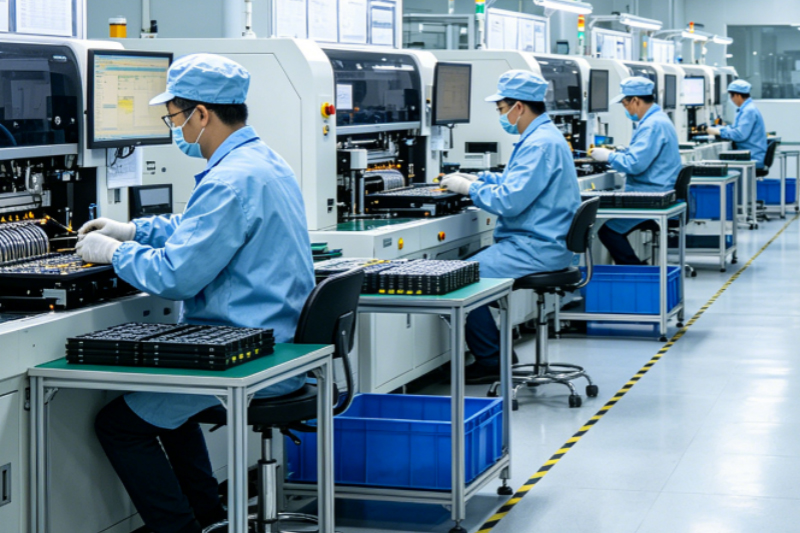
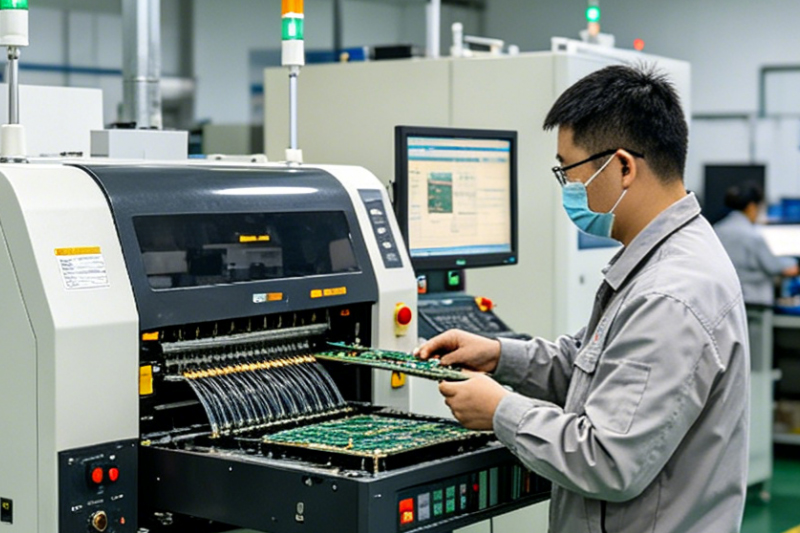
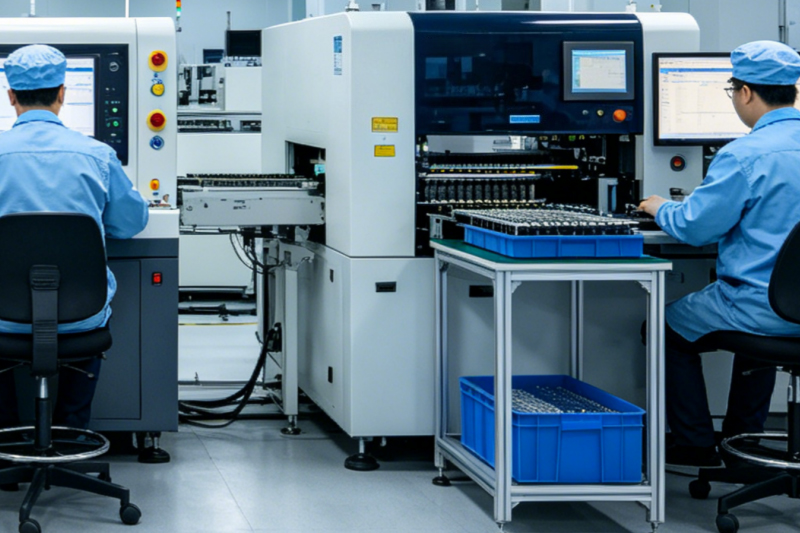
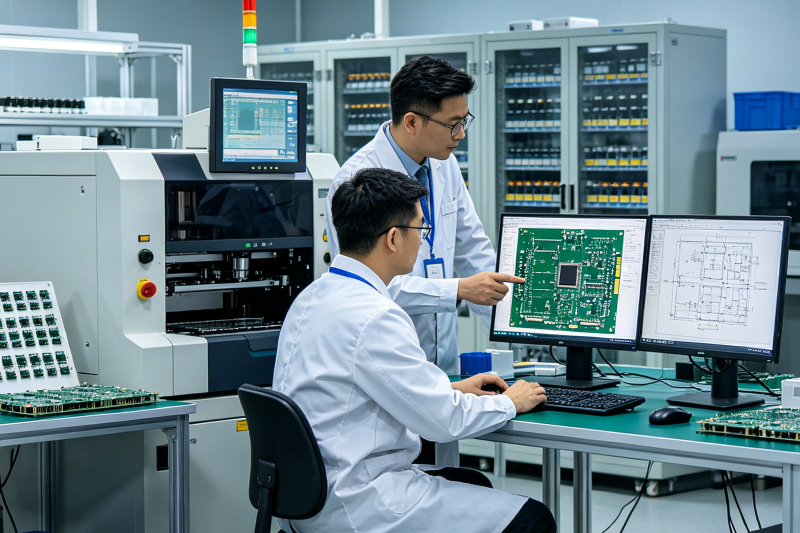
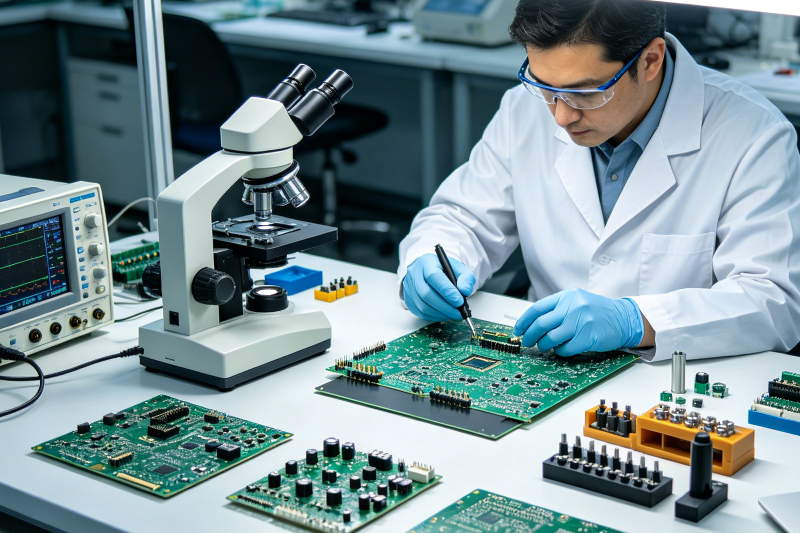
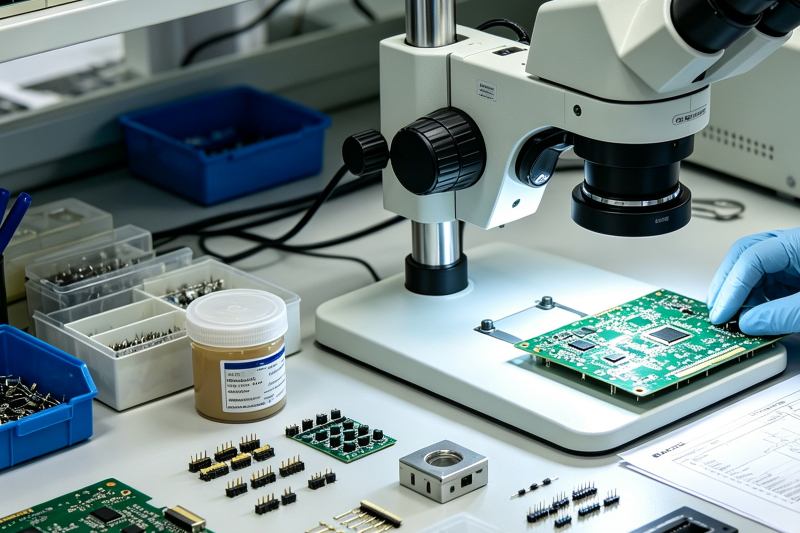
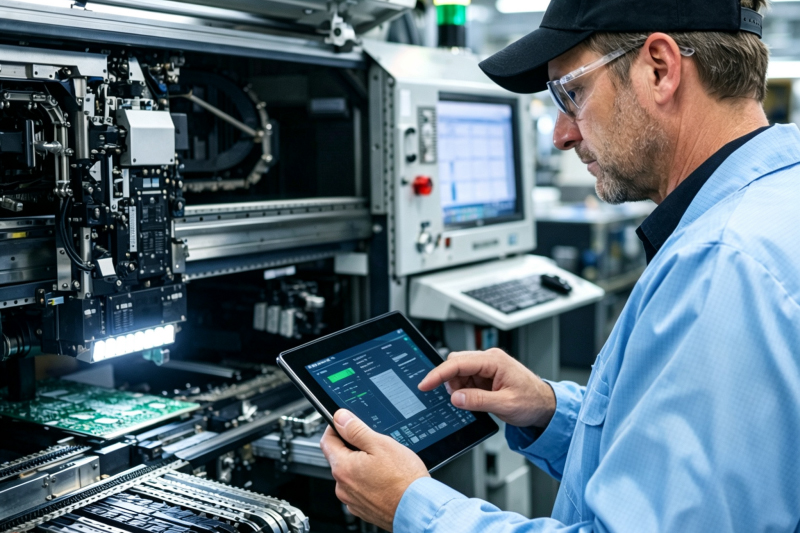
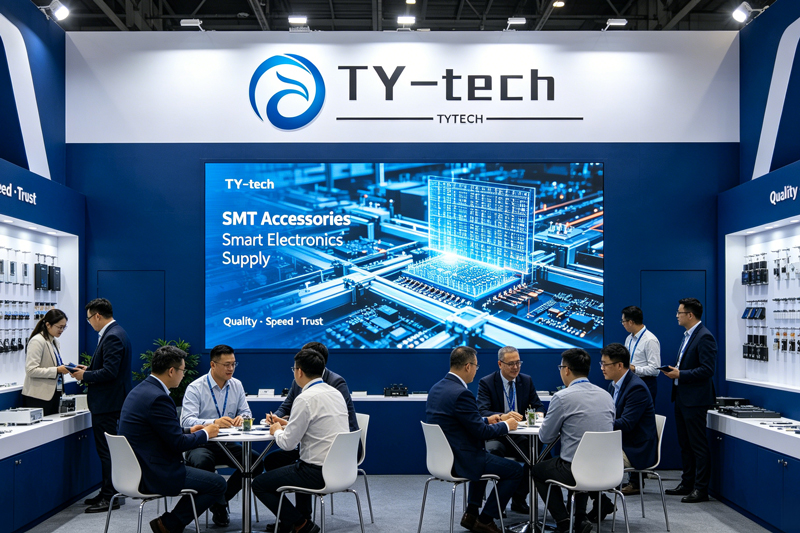
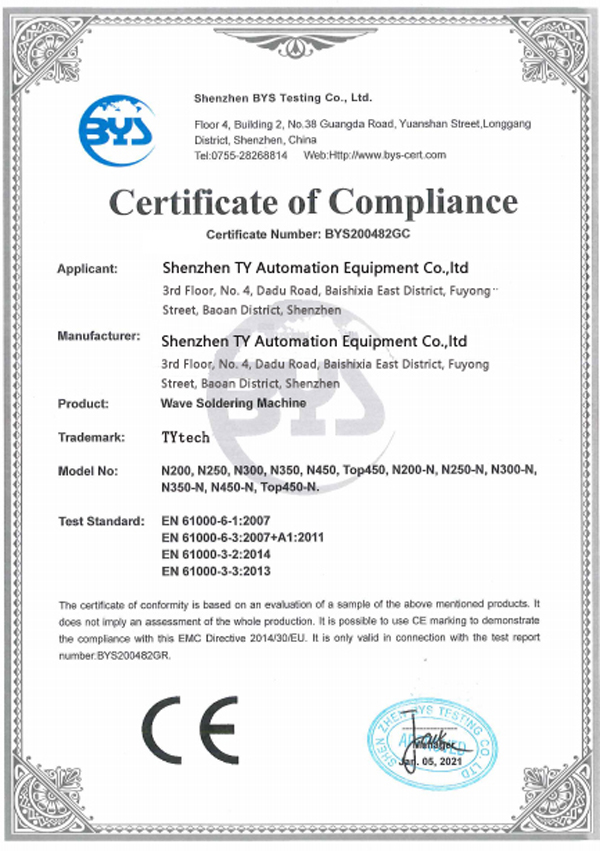
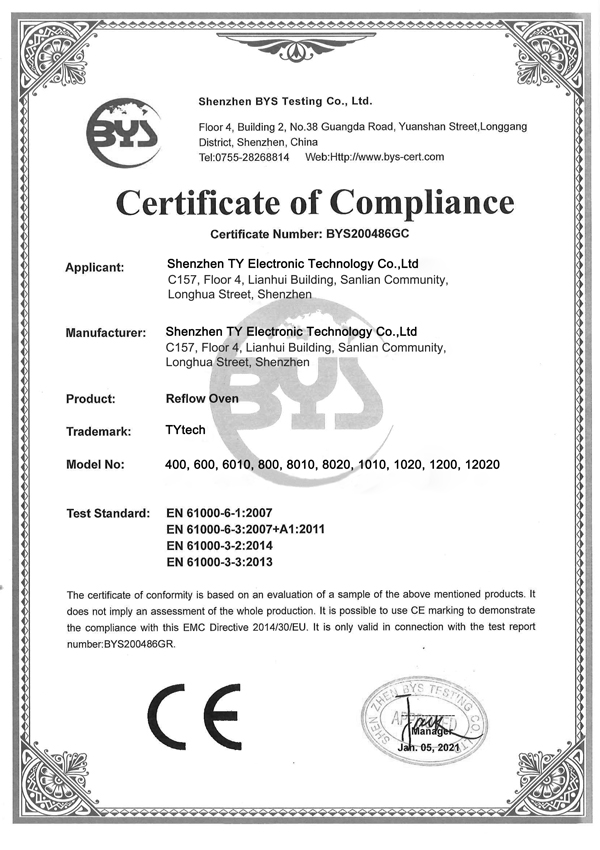
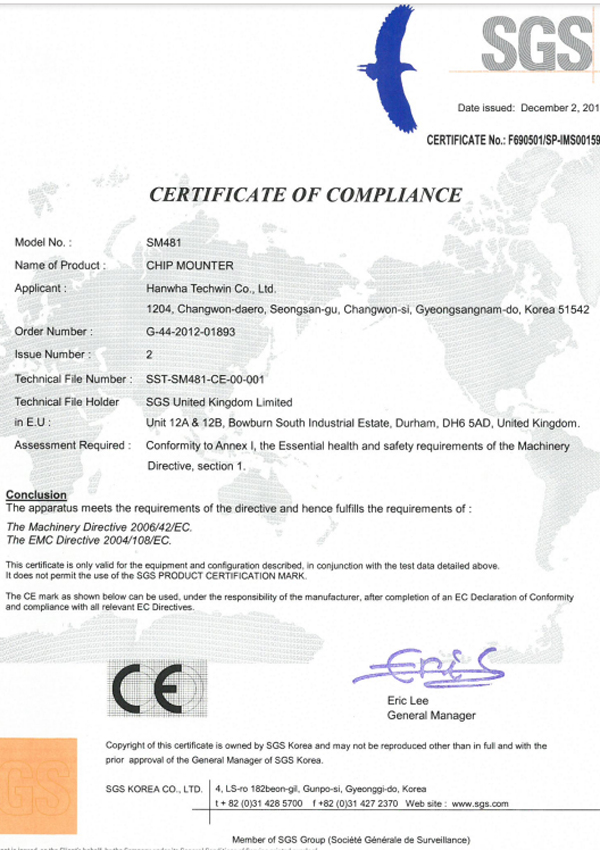
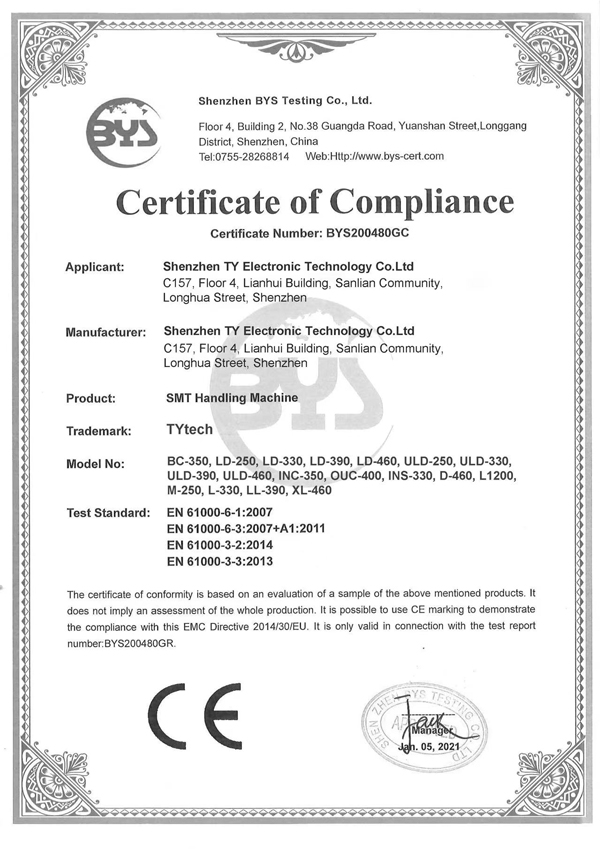
Our manufacturing processes comply with strict international quality and safety benchmarks, ensuring long-term reliability.
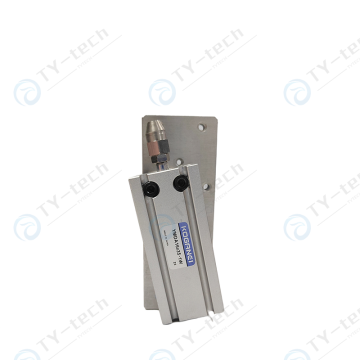
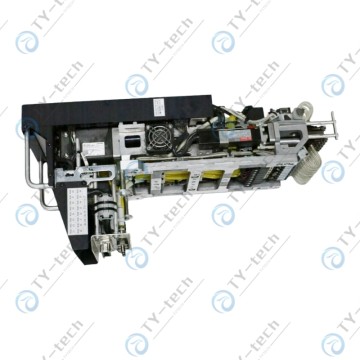
Explore our full range of high-performance mounter nozzles, drive cylinders, and clamping blocks designed to maximize SMT line efficiency.