Optimizing SMT Productivity: The Vital Role of Pick and Place Assembly Spare Parts
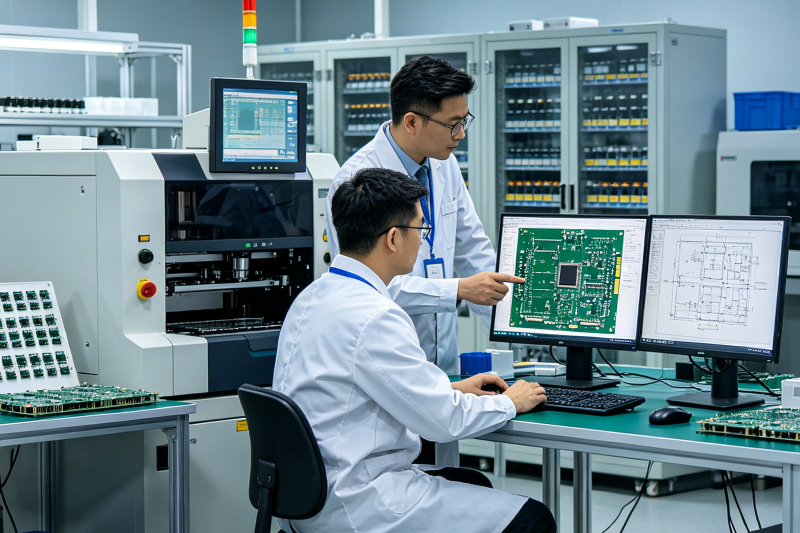
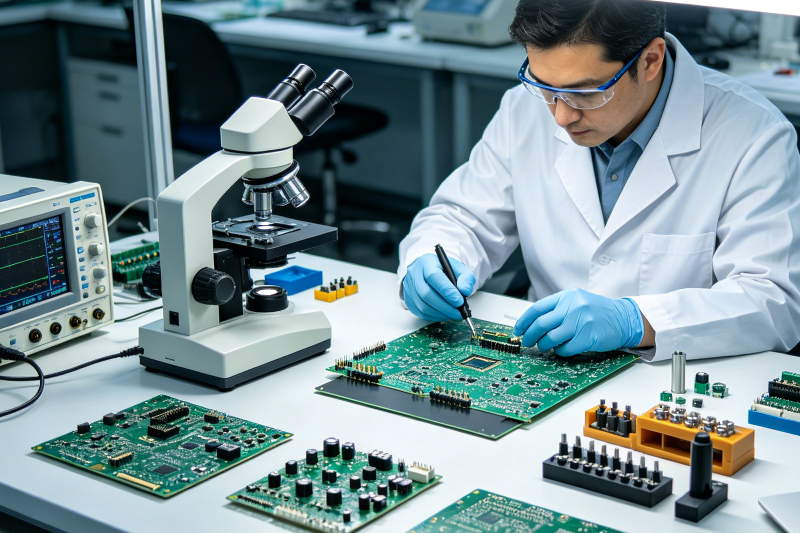
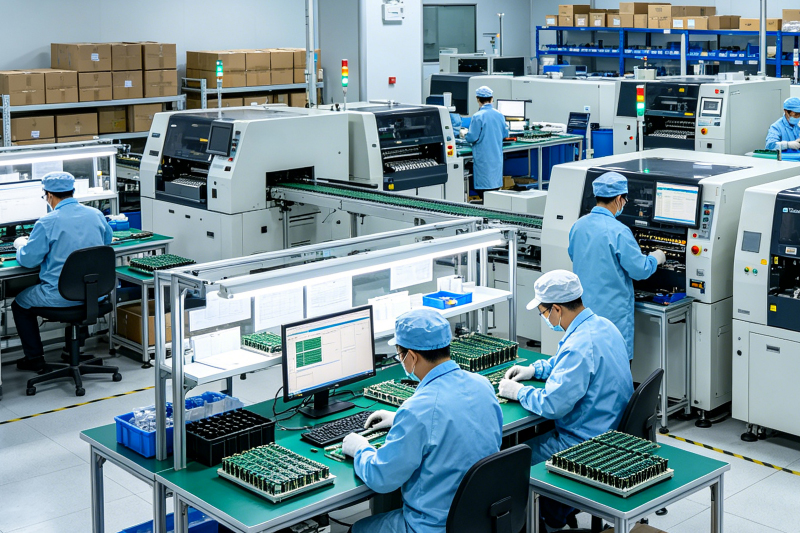
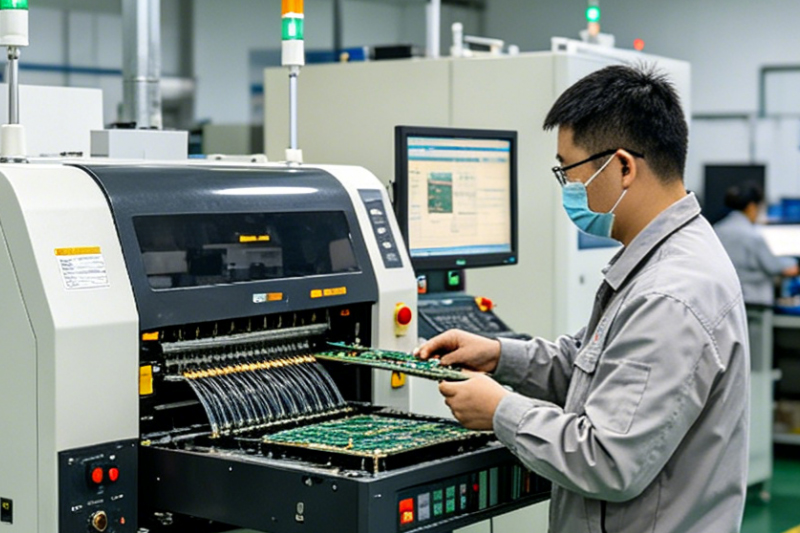
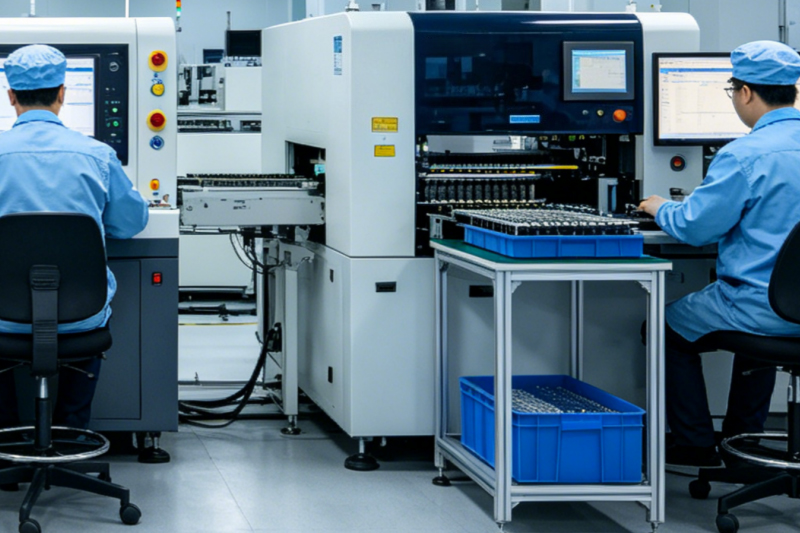
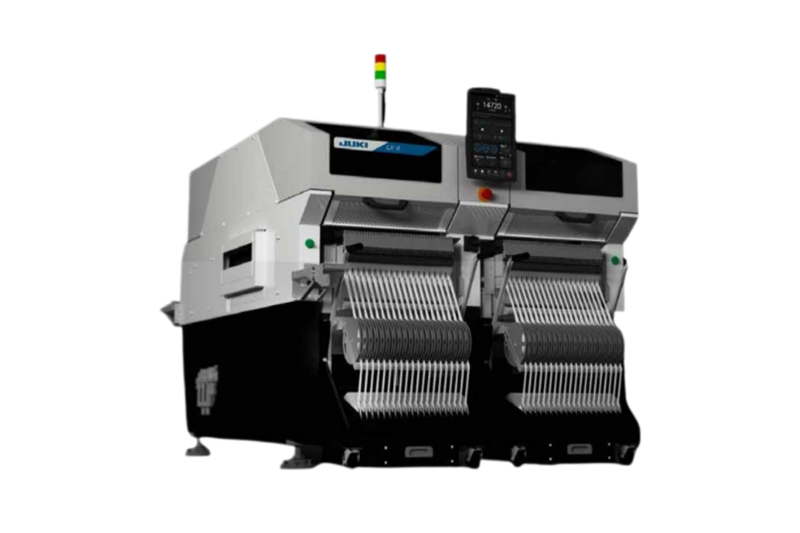
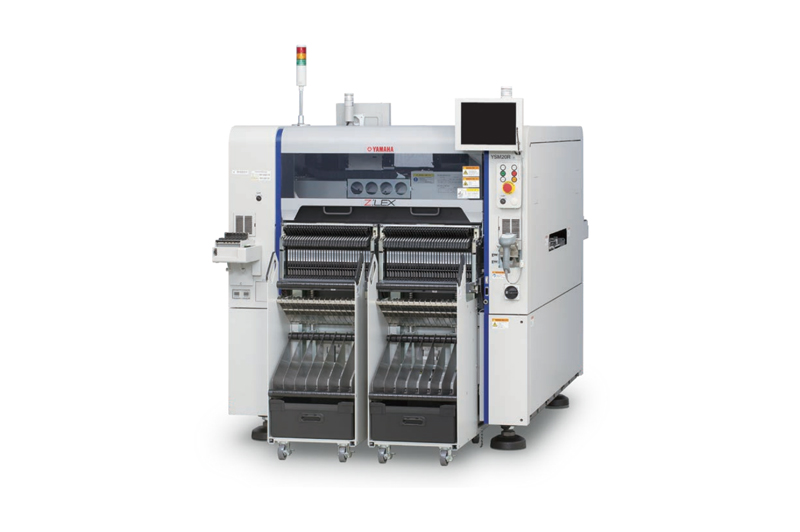
In the high-speed, high-precision world of Surface Mount Technology (SMT), efficiency and accuracy are the twin pillars of profitable electronics manufacturing. At the core of this process is the pick and place assembly. Modern SMT machines operate at blistering speeds, placing tens of thousands of components per hour (CPH) with micron-level tolerances. Over millions of cycles, the physical components that handle, align, and place these surface mount devices (SMDs) inevitably experience wear and tear.
Ensuring the continuous performance of these systems requires an in-depth understanding of the wear mechanisms affecting SMT machine spare parts, timely replacement strategies, and precise calibration. From vacuum control valves to vision calibration materials and high-precision nozzles, every spare part plays a crucial role in maintaining high first-pass yields (FPY) and preventing costly line down-time.
Industrial Status & Economic Impact of SMT Spare Parts Maintenance
The global SMT equipment market is witnessing unprecedented growth, driven by the proliferation of consumer electronics, automotive electrification (EVs), IoT devices, and 5G infrastructure. Today's printed circuit boards (PCBs) feature denser layouts, smaller components (down to 0201 and even 008004 metric sizes), and complex geometries. Consequently, SMT placement heads must be lighter, faster, and more precise.
Financially, an unplanned stoppage of an SMT line can cost manufacturers thousands of dollars per hour. The main culprits behind unexpected downtime are often minor wear parts: a worn nozzle tip, a sluggish vacuum valve, or a miscalibrated vision camera. Consequently, proactive spare parts management and a robust preventative maintenance program are no longer optional—they are critical competitive advantages. Progressive EMS (Electronic Manufacturing Services) providers are shifting from reactive "fix-on-fail" models to predictive maintenance frameworks, leveraging sensor data and premium-quality replacement components to extend the mean time between failures (MTBF).
💡 Optimization Insight: The High Cost of Micro-Stops
Many SMT lines suffer from "micro-stops"—brief pauses caused by component pick errors or vision alignment failures. While each stop may only last 30 seconds, they can compound into hours of lost production time weekly. Replacing worn nozzles and calibrating vision sensors regularly eliminates these micro-stops entirely.
Deep Dive: Primary Wear Areas in SMT Pick & Place Assemblies
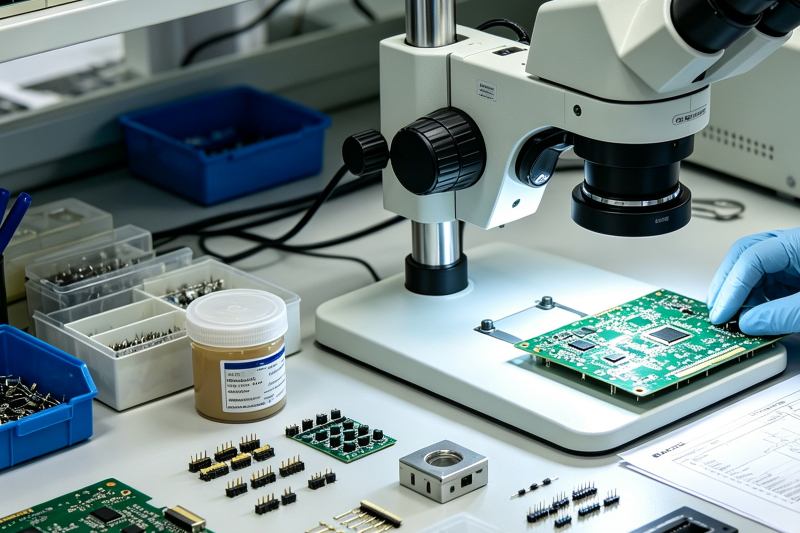
To implement an effective maintenance strategy, engineers must understand exactly where and why wear occurs within the pick and place assembly. Here is a breakdown of the primary areas susceptible to degradation:
1. Placement Nozzles: The Physical Interface
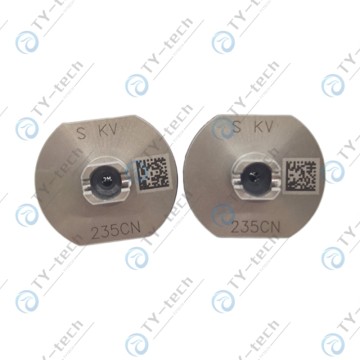
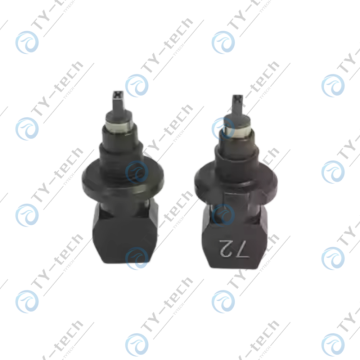
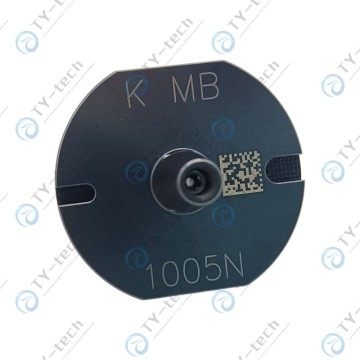
The nozzle is the only part of the SMT machine that directly contacts the electronic component. It is subjected to constant mechanical impact, vacuum suction forces, and abrasive contact with solder paste residues. Key wear issues include:
- Tip Wear: Whether made of ceramic, diamond-like carbon (DLC), or plastic, the nozzle tip can chip or erode, leading to uneven vacuum seal and component skewing.
- Solder Paste Contamination: Solder paste and flux residue can clog the micro-bore of the nozzle, restricting airflow and causing pick failures.
- Static Build-up: Anti-static (ESD) coatings on nozzles can wear off over time, risking electrostatic damage to sensitive components.
2. Pneumatic Control & Vacuum Valves
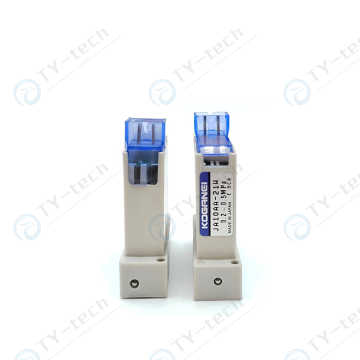
The speed of a pick and place machine depends heavily on how fast it can apply and release vacuum pressure. Vacuum valves, like the Yamaha Control Pick-and-Place Vacuum Valve, cycle millions of times. Over time, internal seals wear out, causing micro-leaks, slow response times, or sticking. A delay of just a few milliseconds in vacuum release can cause the nozzle to drag or drop the component during placement.
3. Real-Time Sensors
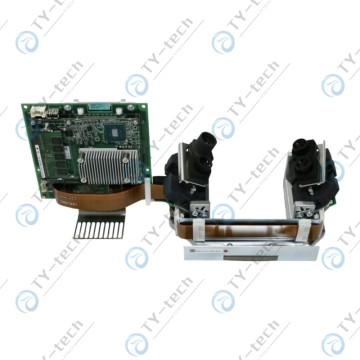
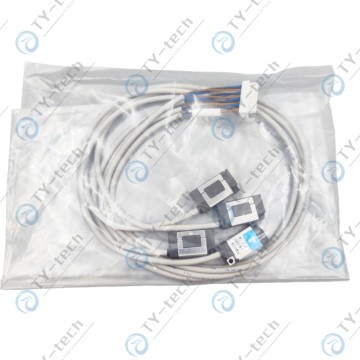
Modern placement heads utilize real-time sensors to verify component pick status. Vacuum flow sensors, such as the Panasonic H16 Nozzle Vacuum Flow Sensor, measure the minute pressure changes when a component is held by the nozzle. If the sensor degrades or gets contaminated with dust, it may fail to detect a missing component or register a false pick error, disrupting the machine's logic loop.
4. Vision Systems and Calibration Materials
Before placing a component, the SMT machine's camera inspects it to calculate alignment offsets. For these optical systems to remain accurate, they must be regularly calibrated using reference targets. Calibration materials, such as the Panasonic Black Correction Material, provide a non-reflective, highly uniform optical standard. If these materials become scratched, dusty, or discolored, the machine's vision calibration will drift, resulting in offset placement errors that lead to solder bridging or open joints.
Future Trends: Smart SMT Maintenance and Industry 4.0
The SMT industry is moving rapidly toward smart manufacturing. Key trends shaping the future of pick and place spare parts include:
- IoT-Enabled Smart Nozzles: Future nozzles may incorporate RFID chips or embedded sensors to track their operational cycles, serial numbers, and maintenance history automatically.
- AI-Driven Predictive Diagnostics: By monitoring vacuum pressure curves and vision recognition failure rates in real-time, machine-learning algorithms can predict exactly when a valve or nozzle is about to fail, prompting operators to replace the part during scheduled downtime.
- Advanced Materials: The use of advanced ceramics and specialized composites is increasing, offering superior wear resistance, reduced weight for higher acceleration, and better ESD protection.