- Home
- Products
- About Us
- Application
- FAQ
- News
- Contact Us
Leave Your Message
Precision-calibrated vacuum nozzles and kinematic motion chain parts optimizing component feeder pick rates, placement repeatability, and CPK metrics.
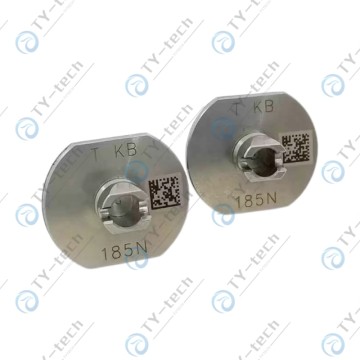
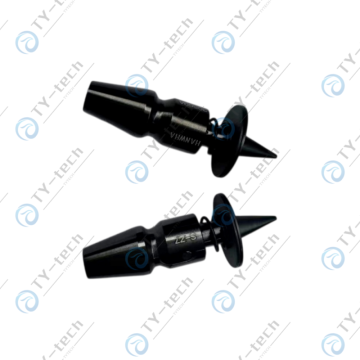
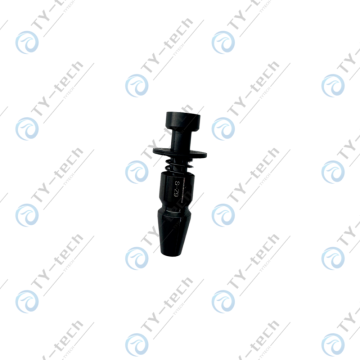
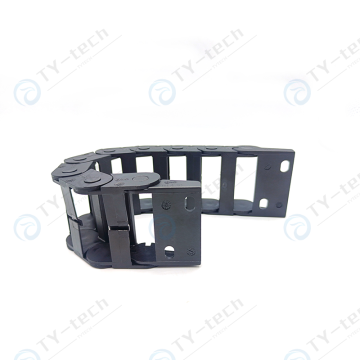
Addressing the stringent manufacturing tolerances, high thermal mass, and high-mix low-to-medium-volume production demands characteristic of modern industrial automation hardware.
Unlike consumer smartphones or IoT devices dominated by pure miniaturization, industrial controllers (PLCs, servo drives, DCS, and SCADA modules) feature extreme board topography. Micro-controllers and 0201 passives coexist with massive electrolytic capacitors, power transformers, heavy copper choke inductors, and multi-pin terminal blocks on high-layer copper printed circuit boards (typically 8 to 24 layers, 2oz to 4oz copper).
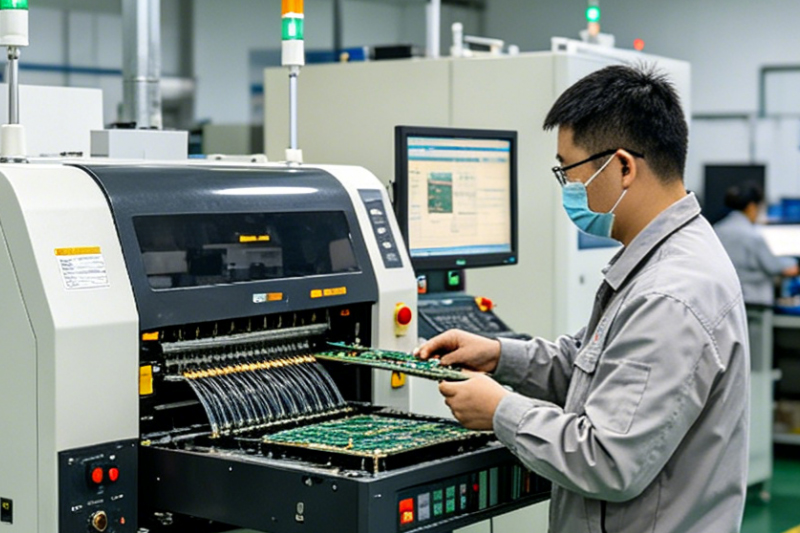
This creates a severe kinematic challenge during surface mount technology (SMT) assembly: the pick-and-place equipment must shift seamlessly from high-speed shooting of miniature passives to ultra-controlled, high-force vacuum placement of high-mass components without causing micro-cracking or displacement from adjacent paste deposits.
Industrial control hardware operates continuously in unforgiving settings characterized by wide thermal excursions (-40°C to +85°C), galvanic corrosion hazards, sustained mechanical vibration, and electromagnetic interference (EMI). Component placement errors, insufficient mechanical pin engagement, or micro-voids in solder joints cause catastrophic downtime on automated plant floors.
Consequently, SMT placement heads rely heavily on anti-static, ceramic-tipped nozzles, multi-angle vision inspection algorithms, and precision Z-axis tracking cables (such as flexible cable carrier tank chains) to prevent mechanical shock and electrostatic discharge (ESD) degradation during high-speed feeder cycles.
Industrial automation orders frequently require agile lot transitions. SMT production engineers face changeovers between variable batch runs daily. Quick-change feeder carts, universal smart feeders, and modular high-accuracy nozzles capable of picking bottom-tab power ICs, quad-flat packages (QFP), ball grid arrays (BGA), and standard passives are paramount.
Every nozzle change and feeder cycle must synchronize with manufacturing execution systems (MES) to maintain granular component lot traceability, satisfying international industrial reliability standards such as IPC-A-610 Class 3, IEC 61131, and ISO 9001.
From variable frequency drives to redundant functional safety modules, uncover the precise SMT component handling requirements that define industrial manufacturing success.
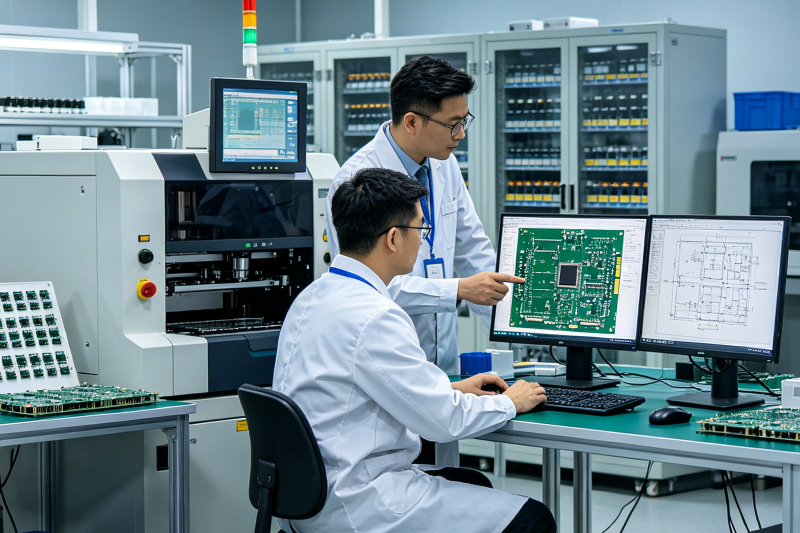
PLC CPU and backplane boards host dense computing cores, FPGA chips, and high-speed bus interfaces surrounded by extensive I/O conditioning circuitry. SMT placement machines require high-resolution optical cameras with co-axial lighting to inspect ball arrays on fine-pitch BGAs while maintaining rapid feeder index rates for filtering networks.
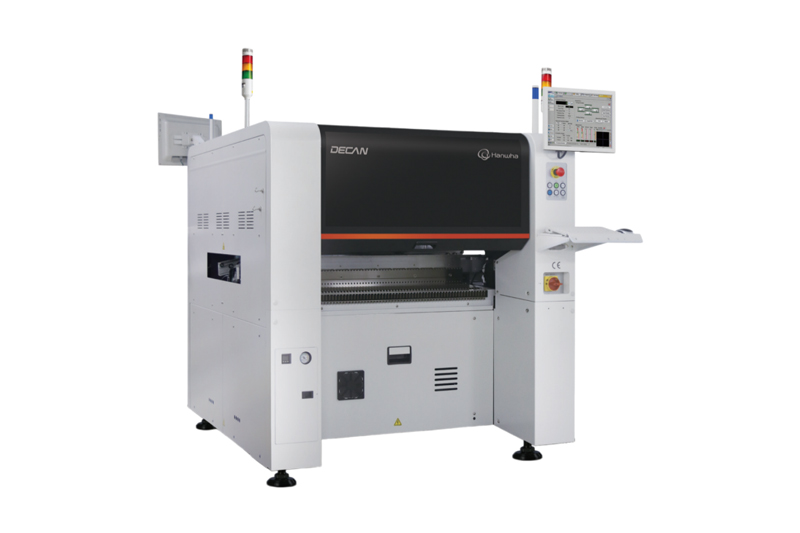
Precision vacuum nozzles such as the Hanwha CN030 and CN040 series deliver uncompromised vacuum seals to prevent micro-slipping of components under high head acceleration up to 3G.
Motor drives combine high-voltage gate drivers with sensitive DSP processing circuitry. Placement heads must mount large power semiconductor modules (such as D2PAK, DFN, and direct copper bonding sub-assemblies) with millimeter-accurate down-force sensing.
Dynamic pressure regulation prevents solder paste squeeze-out—a critical factor in avoiding bridge short circuits across high-voltage traces that experience 480V or 690V operating potentials.
Remote terminal units and Industry 4.0 IoT gateways integrate RF transceivers, cellular modems, and galvanic isolation transformers. The placement of multi-shield cans and odd-form transformers requires custom-profiled nozzles with broad silicone suction cups or mechanical gripper fingers.
Seamless switching between standard pneumatic suction and mechanical grip ensures continuous surface mounting without interrupting cycle times or scratching delicate RF protective coatings.
How advanced material science, closed-loop machine vision, and real-time kinetic monitoring are driving zero-defect industrial SMT assembly.
With modern industrial PCBs using abrasive composite component packaging and non-clean flux residues, conventional metal nozzle tips suffer rapid frictional wear. Progressive SMT lines utilize high-density zirconia ceramics and synthetic diamond coatings on nozzle tips.
These advanced materials prevent nozzle tip deformation, eliminate vacuum leakage, eliminate static charge buildup, and ensure repeatable centering over tens of millions of pickup cycles without premature degradation.
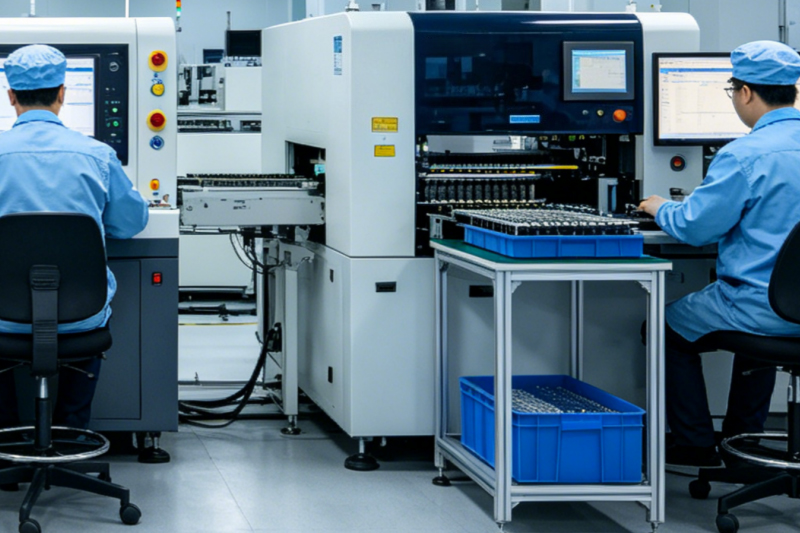
Modern multi-head placement gantries incorporate independent direct-drive linear voice coil motors for each placement spindle. Alongside continuous drag-chain cable integrity (such as reinforced shielded cables in Yamaha and Panasonic gantries), real-time flow sensors monitor vacuum decay in milliseconds.
If a component sits slightly askew or experiences insufficient suction, the machine triggers instantaneous trajectory recalibration or drops the component into an integrated discard bin before false mounting occurs, safeguarding expensive thick-copper circuit boards.



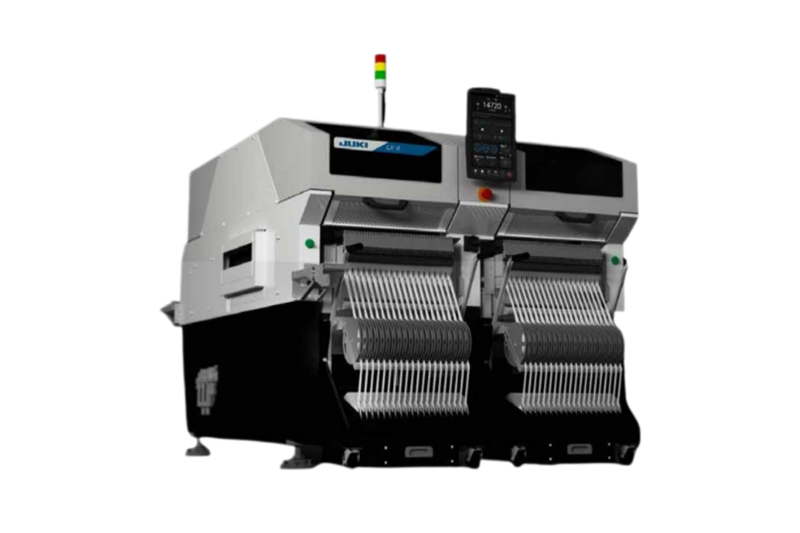
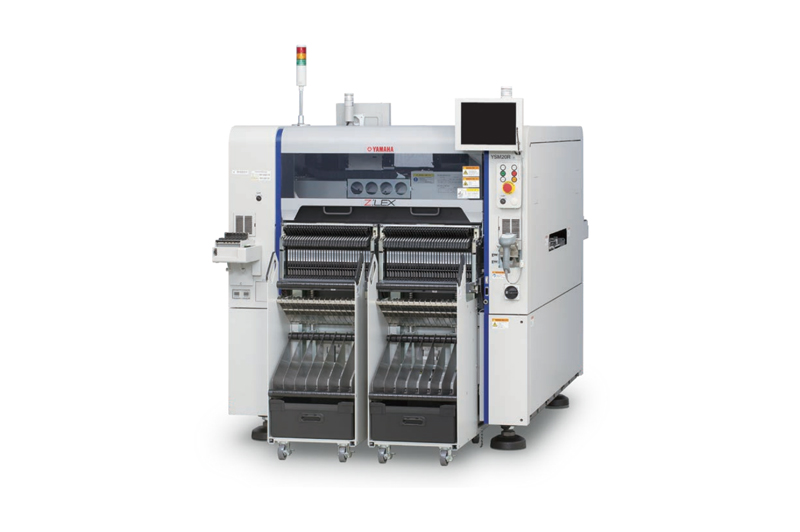






Explore our complete catalog of industrial pick and place machine parts, high-vacuum nozzles, and precision cables for Yamaha, Hanwha, and Panasonic placement systems.