Leave Your Message
Premium wear-resistant replacement components engineered for Yamaha and Panasonic Pick and Place platforms.
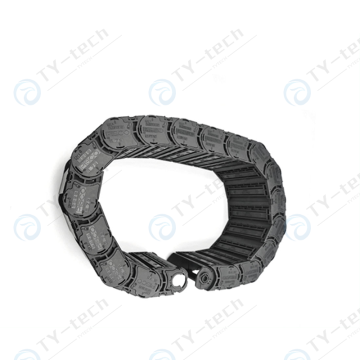
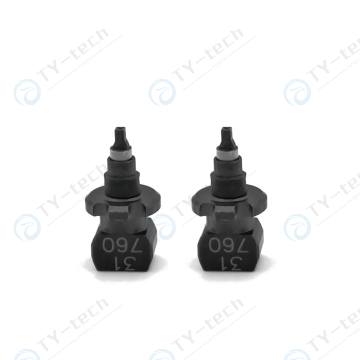
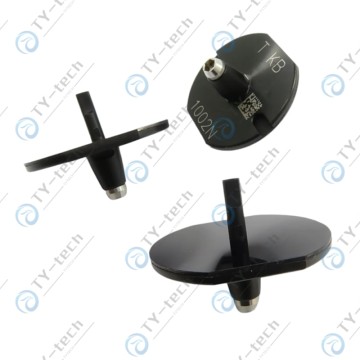
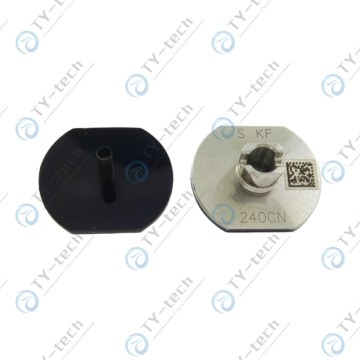
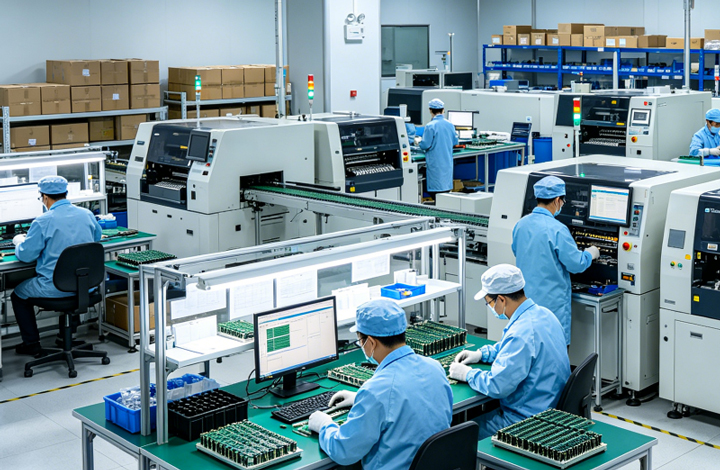
The Surface Mount Technology (SMT) landscape has evolved at an unprecedented velocity over the last decade. Modern electronics manufacturing demands high speed, high density, and microscopic components such as 01005 and 008004 chips. At the heart of this assembly revolution is the Pick and Place Machine. Operating at acceleration forces exceeding 5G and executing tens of thousands of placements per hour, these machines subject their internal mechanisms to extreme mechanical stress. Consequently, the management of SMT machine spare parts wear and replacement has become a vital parameter in determining Overall Equipment Effectiveness (OEE) and operational profitability.
In high-volume automotive or consumer electronics production lines, a single minute of machine downtime can cost thousands of dollars. Wear-induced component failures, particularly within nozzles, feeders, and cable carrier chains, account for over 65% of unscheduled SMT line stoppages. Implementing a proactive replacement strategy with high-grade aftermarket or OEM parts is no longer optional—it is a competitive necessity.
Understanding where and why wear occurs within a pick and place gantry is essential for predictive maintenance. The primary zones of friction and fatigue include:
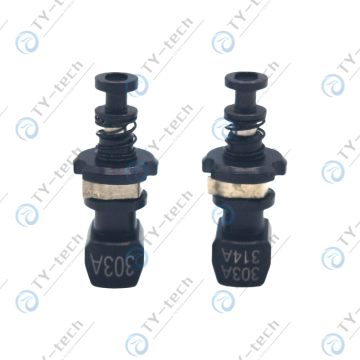
When placing micro-components such as 0201 or 01005 resistors, the margin for error is virtually zero. A worn nozzle, such as a degraded Yamaha Nozzle 31A or Panasonic 1002 N Nozzle, can lead to severe defects like "tombstoning," component flipping, or misplacement. Vacuum integrity is the critical metric here. If the nozzle tip has micro-cracks or debris buildup, the vacuum pressure drops, resulting in high reject rates at the optical inspection (AOI) stage.
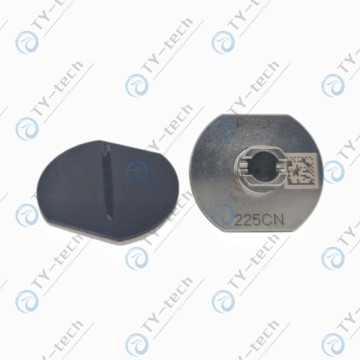
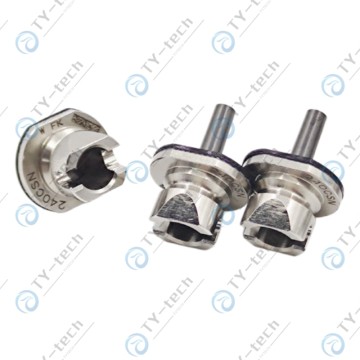
For larger, heavier power components, the mechanical challenges shift from precision alignment to holding power. Nozzles like the Panasonic 240 CN and Panasonic 225 CN are designed to handle heavy SMD components using optimized surface areas and high-durability materials. If these larger nozzles experience wear, the machine may drop components during high-acceleration transitions, leading to damaged parts and contaminated boards.
Historically, SMT managers relied exclusively on original equipment manufacturers (OEMs) for replacement parts. However, the global supply chain shifts have accelerated the adoption of premium aftermarket spare parts. Companies like TY-Tech have bridged the gap by manufacturing SMT spare parts that meet or exceed OEM specifications at a fraction of the cost. This has democratized high-speed manufacturing, allowing medium-sized EMS (Electronic Manufacturing Services) providers to maintain high OEE without prohibitive maintenance budgets.
The future of SMT spare parts is deeply intertwined with Industry 4.0. We are seeing several prominent trends shaping the industry:
To achieve a zero-defect manufacturing environment, factories must establish a structured spare parts inventory and maintenance schedule. This involves regular nozzle cleaning using automated ultrasonic cleaners, checking vacuum values daily, and replacing dynamic cables and tank chains before physical fatigue leads to copper exposure. By partnering with established SMT solution providers like TY-Tech, factories can secure stable supply chains for critical components, ensuring that replacement parts are always on hand to prevent catastrophic line stops.
Offering professional SMT factory building advice and service



Welcome To Learn About Our Company
Explore our complete range of high-performance replacement nozzles, tank chains, and pneumatic accessories.