- Home
- Products
- About Us
- Application
- FAQ
- News
- Contact Us
Leave Your Message
Ultra-stable PCB transport and dynamic component feeding solutions engineered for high-accuracy medical electronic assemblies.
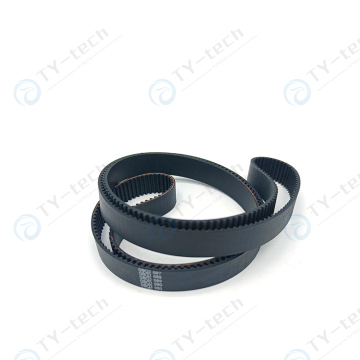
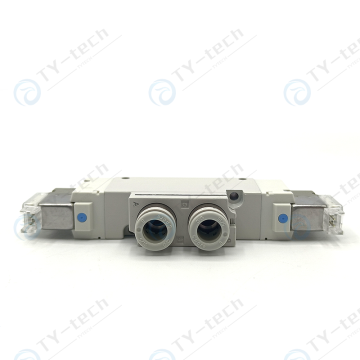
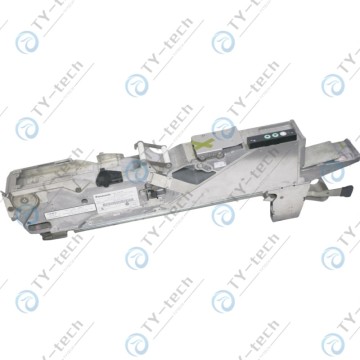
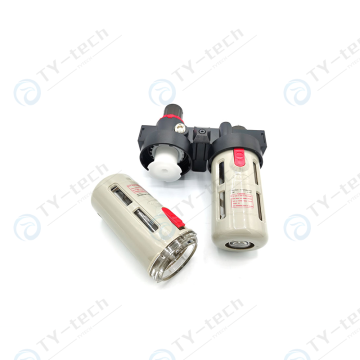
The manufacturing landscape for medical devices is undergoing a profound paradigm shift driven by miniaturization, bio-compatibility requirements, and mission-critical reliability standards. From implantable defibrillators, neural stimulators, and ingestible endoscopy capsules to real-time hemodynamic monitors, the demands on surface mount technology (SMT) component placement and subsequent thermal reflow soldering have reached unprecedented levels. Medical electronics belong categorically to IPC Class 3 and IPC-6012DS/IPC-A-610G Class 3/A standards, where uninterrupted performance is not merely an operational goal, but a matter of human life.
In this demanding ecosystem, reflow soldering equipment cannot operate as a detached thermal chamber. Instead, it functions as a highly synchronized, precision-controlled thermal dynamic processing engine that directly interfaces with high-speed pick-and-place robotics, advanced pneumatic feeding mechanisms, and real-time visual alignment systems. The mechanical delivery of sub-01005 passives and ultra-fine pitch Ball Grid Arrays (BGAs) onto high-density interconnect (HDI) flex-rigid substrates dictates that the entire assembly line—from rail transfer to the final cooling phase—maintains absolute physical and thermal stabilization.
Utilizing high-efficiency vacuum reflow modules to suppress intermetallic voiding rates below 1-3%, ensuring superior joint conductivity in life-support microcircuits.
Multi-zone convection profiling holding temperature divergence across micro-components and thermal-sink ground planes to within ±1.5°C.
Closed-loop PPM oxygen control (<50 ppm) preventing micro-pad oxidation and eliminating tombstoning during micro-passive self-alignment.
The physical interplay between precision SMT component placement and reflow soldering dynamics is governed by surface tension phenomena, solder paste rheology, and thermal gradient management. When placing micro-scale sensors and complex System-in-Package (SiP) modules for diagnostic healthcare devices, minute mechanical misalignments or inconsistent nozzle suction can lead to catastrophic solder bridging, head-in-pillow (HiP) defects, or component shifting during the liquidus phase.
Modern reflow systems designed for medical device manufacturing utilize optimized multi-zone convection arrays paired with vacuum chambers to actively extract volatile outgassing from flux mediums before solidifying the joint. This vacuum-assisted reflow process directly prevents micro-voiding beneath large thermal pads of medical DSPs and high-frequency RF transmission chips. Concurrently, precise rail drive systems, fine-tuned pneumatic cutters, and pneumatic filter units on upstream mounters guarantee that components are positioned onto paste depots with sub-10-micron repeatability, allowing surface tension to execute self-centering corrections during peak reflow without skewing.
As the medical hardware industry accelerates towards wearable continuous glucose monitoring (CGM) systems, smart patches, and autonomous surgical robotic nodes, the integration of Artificial Intelligence into reflow soldering and placement systems is transforming quality assurance. Real-time Industry 4.0 data interchanges between Solder Paste Inspection (SPI), Automated Optical Inspection (AOI), SMT Pick-and-Place machine controllers, and inline reflow profiling systems create a fully predictive, self-optimizing feedback loop.
Through intelligent thermal profiling algorithms, smart reflow ovens continuously monitor the thermal capacity of moving substrates, adjusting individual heating zone outputs and blower frequencies in real time to accommodate layout asymmetry. Furthermore, signal transmission and IO logic modules coordinate synchronous line flow, adjusting board entry timing to prevent thermal loading fluctuations within the heating tunnel. This closed-loop ecosystem guarantees consistent intermetallic compound (IMC) thickness (typically 1-3 μm) and virtually eradicates micro-cracks induced by thermal shock in fragile medical biosensors.
Medical electronics cover a broad spectrum of demanding operational environments, each demanding tailored reflow soldering and component placement parameters:
Our state-of-the-art facility features rigorous operational procedures, world-class SMT automation, and robust quality certifications.

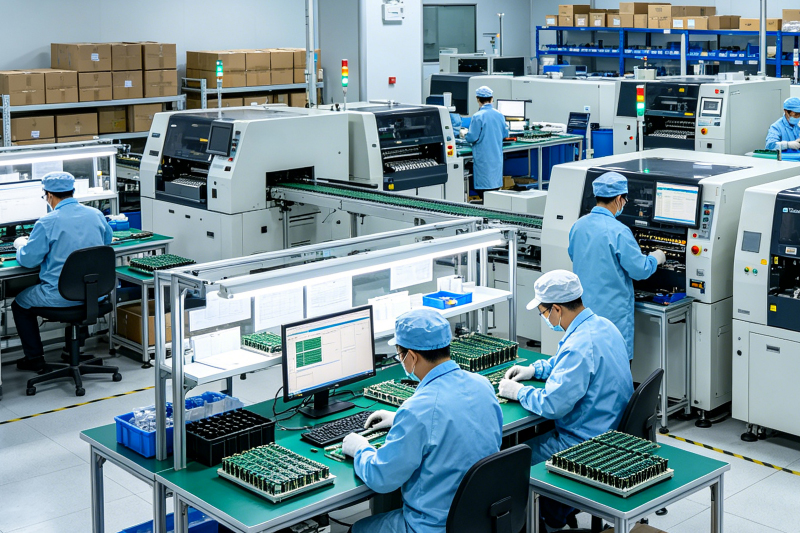
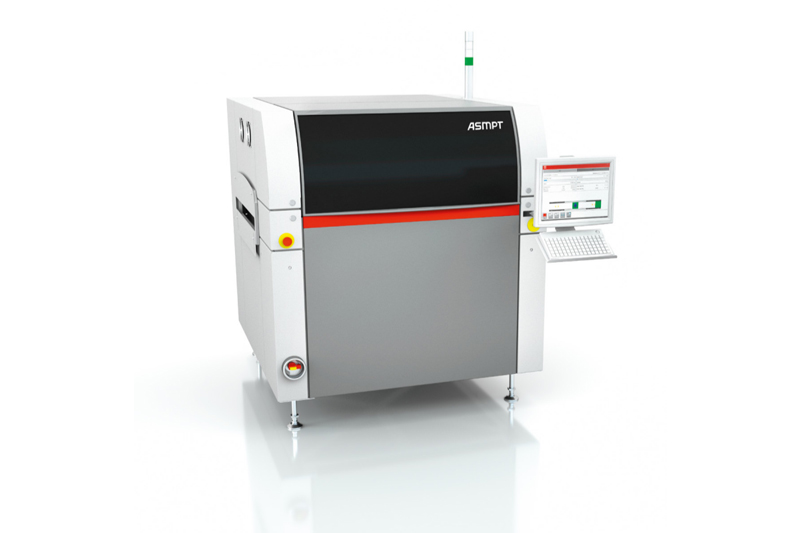
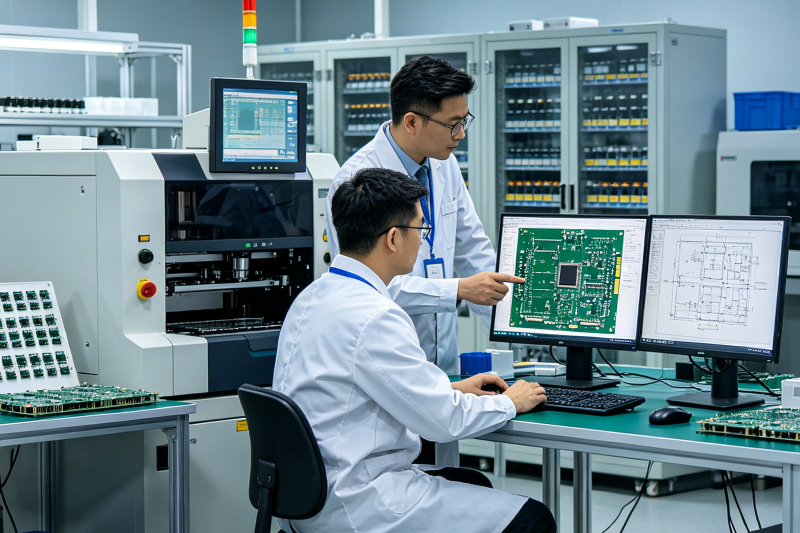
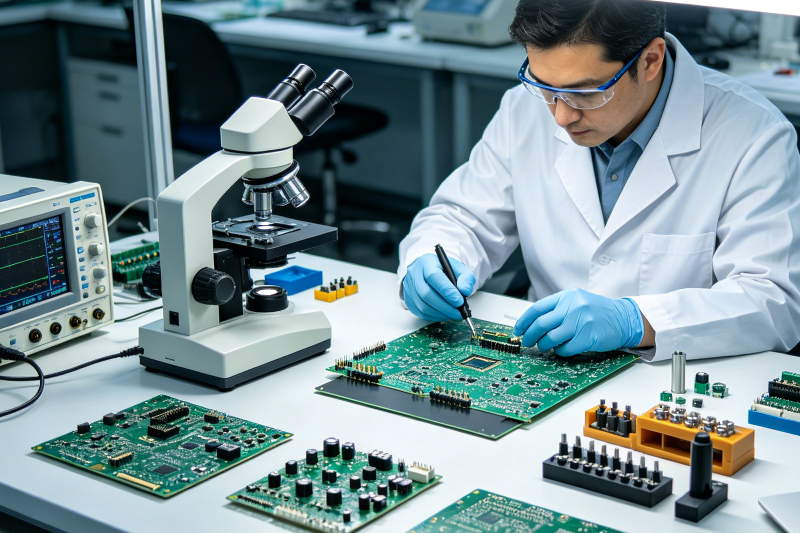
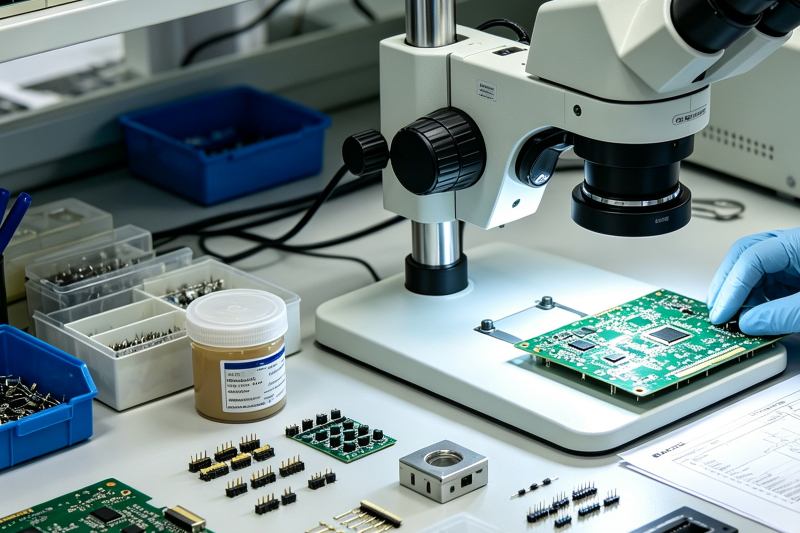
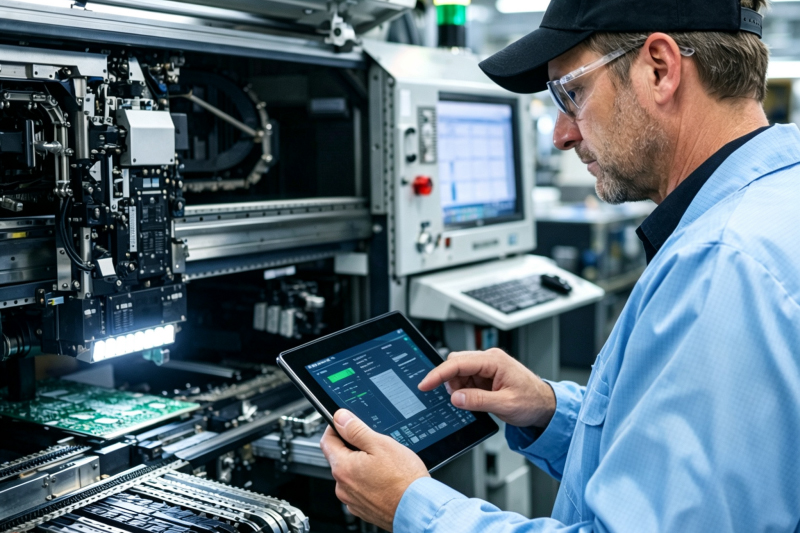

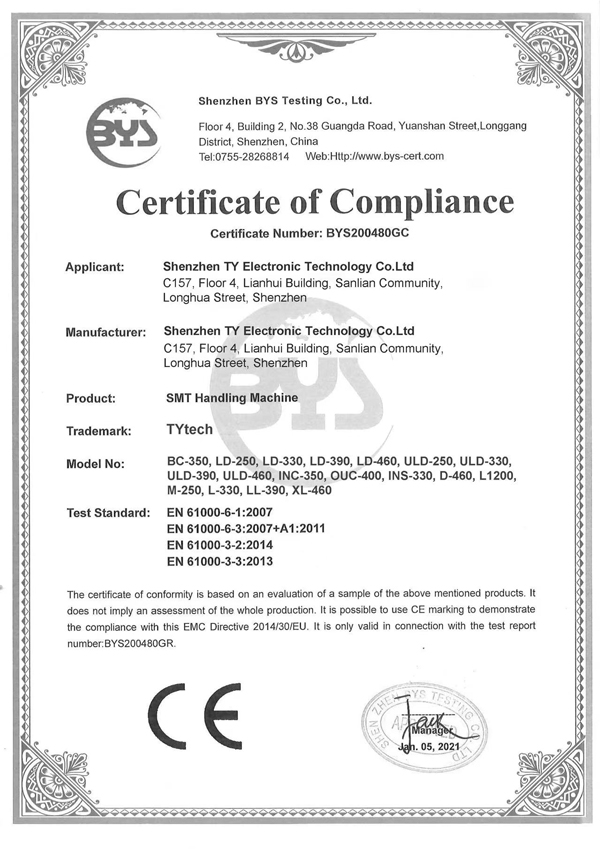
Adhering to international quality frameworks and medical-grade manufacturing traceability.
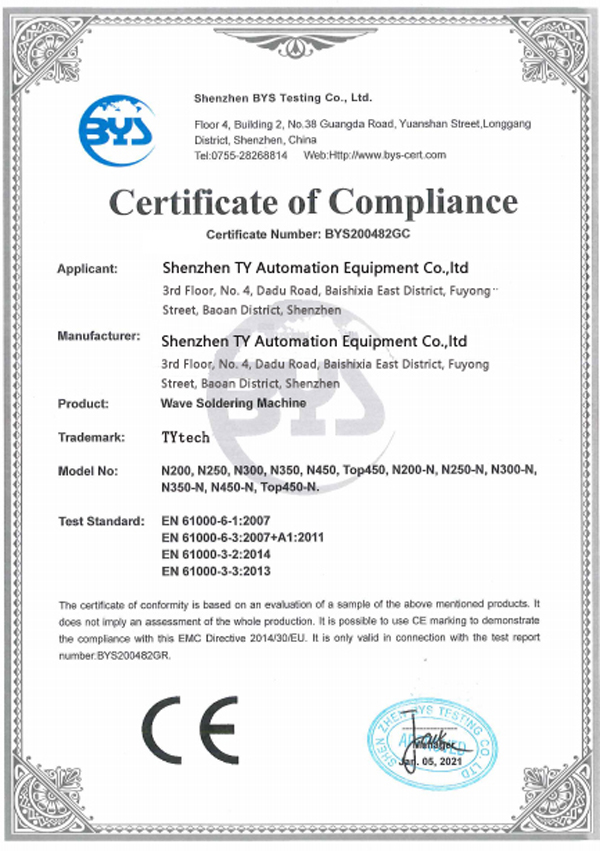
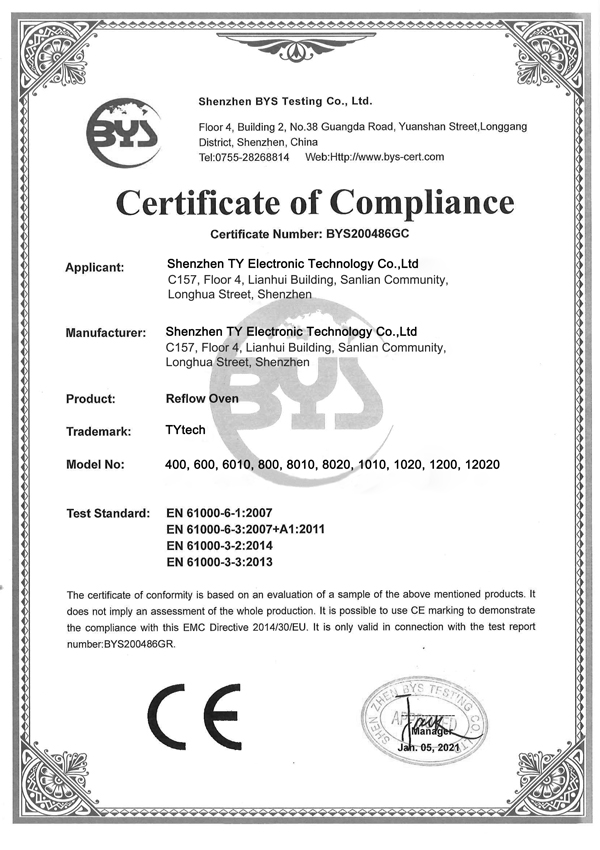

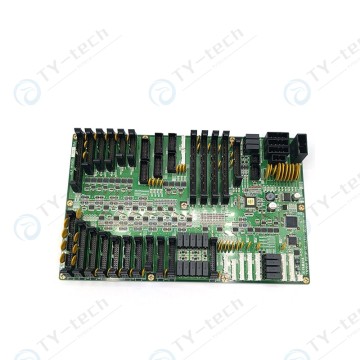
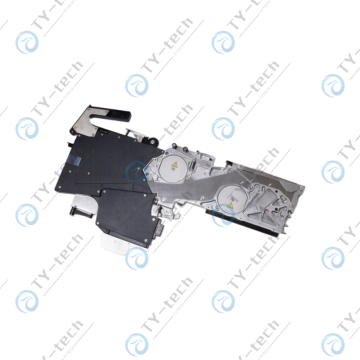
Comprehensive parts ecosystem providing superior pick-and-place accuracy, signal transmission, and rail handling for medical reflow soldering lines.