Leave Your Message
High-precision replacement components designed to prevent production downtime and maintain optimal board transport stability.
The global electronics manufacturing services (EMS) industry is undergoing a monumental shift, driven by the exponential demand for high-performance computing, automotive electrification, 5G telecommunications, and artificial intelligence hardware. At the heart of this manufacturing revolution lies Surface Mount Technology (SMT), the standard methodology for assembling modern printed circuit boards (PCBs). Within the SMT assembly line, Reflow Soldering Equipment stands as a critical phase where mechanical placements are transformed into permanent, reliable electrical connections.
Reflow soldering systems utilize precisely controlled thermal profiles to melt solder paste, establishing robust metallurgical bonds between component leads and PCB pads. As electronic components shrink to microscopic dimensions (such as 01005 and 008004 packages) and board densities skyrocket, the tolerance for errors in the reflow process approaches zero. Consequently, the commercial performance of SMT production lines is heavily reliant on the continuous, uninterrupted operation of reflow ovens and the high-speed placement machines that precede them.
In this high-stakes industrial environment, equipment downtime translates directly to substantial financial losses. Manufacturers are constantly balancing the need for maximum throughput with the inevitable wear and tear of mechanical and electrical components. SMT spare parts wear and replacement has thus evolved from a reactive maintenance chore into a highly strategic aspect of factory asset management. Ensuring a steady supply of high-precision spare parts—ranging from feeder components, transport belts, and nozzles to heating elements, thermocouples, and blower motors—is essential to maintaining competitive edge and production yield.
Preventative spare parts replacement cycles reduce unscheduled downtime, optimizing Overall Equipment Effectiveness (OEE) and protecting factory margins.
Understanding the thermal and mechanical degradation rates of belts, gaskets, and heaters allows for scheduled maintenance windows.
Precision-engineered spare parts ensure seamless integration with major brands like Yamaha, Panasonic, and Hanwha without calibration loss.
Reflow soldering equipment operates under extreme conditions characterized by continuous thermal cycling, high ambient temperatures (often exceeding 250°C for lead-free profiles), and exposure to corrosive chemical vapors generated by volatilized solder flux. These harsh environments accelerate the degradation of both the oven's internal components and the auxiliary SMT machinery parts that interface with the thermal zones.
1. Thermal Fatigue and Oxidation: The heating zones of a reflow oven rely on heating panels, heating elements, and forced convection blower motors to distribute heat evenly. Over time, the repeated heating and cooling cycles induce thermal fatigue in metal components, leading to micro-cracking, resistance changes in heating elements, and eventual failure. Thermocouples, which monitor zone temperatures, can drift in accuracy due to prolonged thermal exposure, compromising the thermal profile.
2. Chemical Corrosion from Flux Residues: Solder paste flux contains active chemical agents designed to remove oxides from metal surfaces during soldering. When heated, these agents volatilize and form flux vapors. If the oven's flux management system (condensation units and filters) is not maintained, these corrosive residues condense on internal surfaces, including conveyor rails, mesh belts, width adjustment screws, and exhaust fans. This leads to gumming, increased friction, mechanical binding, and corrosion of sensitive parts.
3. Mechanical Wear on Transport Systems: The conveyor systems of reflow ovens, including pin chains, wear-resistant rails, and drive gears, operate continuously under high thermal loads. Lubricants can break down or dry out rapidly at elevated temperatures, leading to metal-on-metal friction. This wear causes chain elongation, vibration, and rail misalignment, which can result in PCB dropping, component shifting, or board warping during transport.
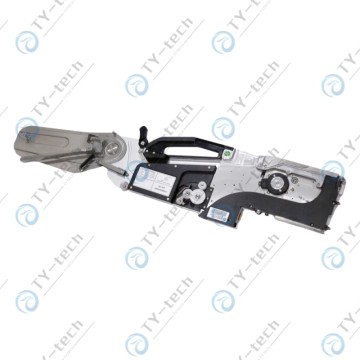
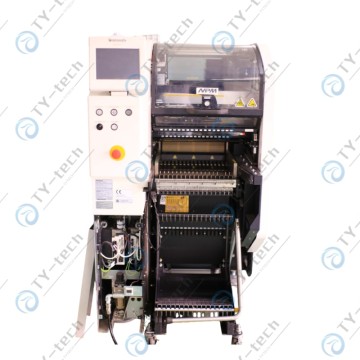
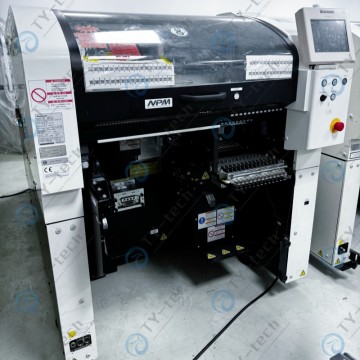
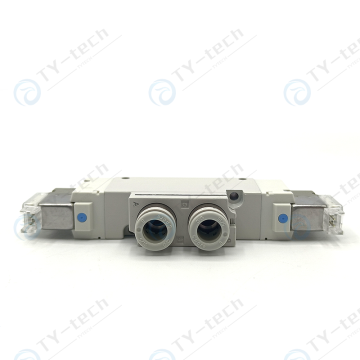
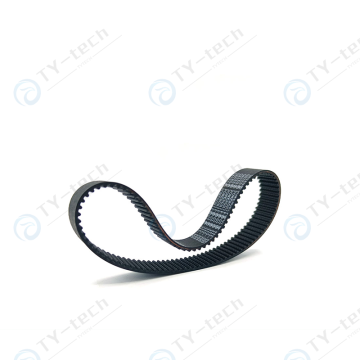
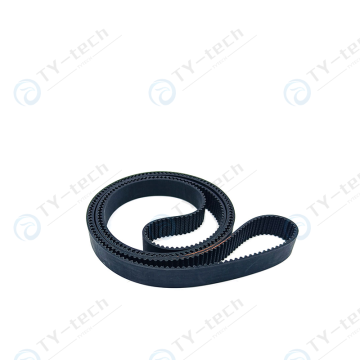
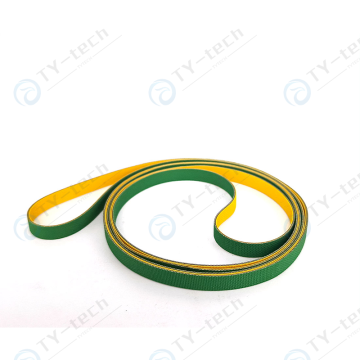
4. Wear in Placement Spare Parts: The high-speed movement of pick-and-place machines (SMT mounters) places immense mechanical stress on drive belts, vacuum nozzles, feeders, and pneumatic valves. For instance, head movement drives (such as the Yamaha KHY-M921D-00 belt) transfer high-torque forces thousands of times per hour. Over time, these polyurethane or rubber belts stretch, fray, or lose teeth, leading to positioning inaccuracies. Similarly, PCB transport belts (like the Yamaha KV7-M921A-01X and LC-M911M-00X) suffer surface wear, reducing their coefficient of friction and causing slippage or erratic board feeding. Feeders, cutters, and solenoid valves (such as the Yamaha KMG-M3TV1-A00) experience rapid mechanical cycling, leading to spring fatigue, blade dulling, and pneumatic seal degradation.
The integration of Industry 4.0 and the Industrial Internet of Things (IIoT) is redefining how SMT factories handle spare parts wear and equipment maintenance. The traditional model of run-to-failure or scheduled interval maintenance is being replaced by predictive and prescriptive maintenance paradigms.
Predictive Maintenance and Smart Sensors: Modern reflow soldering ovens and SMT placement machines are increasingly equipped with smart sensors that monitor vibration, current draw, temperature fluctuations, and pneumatic pressure in real-time. For example, anomaly detection algorithms can analyze the current draw of a conveyor motor or the vibration signature of a convection fan. A sudden spike in power consumption indicates mechanical binding or bearing wear, prompting the system to alert operators to schedule a replacement before a catastrophic breakdown occurs.
Digital Twin Technology: Advanced manufacturing facilities utilize digital twins—virtual replicas of the physical SMT production line—to simulate wear patterns based on actual production data. By analyzing factors such as board throughput, thermal profiles, and component placement speeds, the digital twin can predict the remaining useful life (RUL) of critical components like vacuum nozzles, conveyor chains, and feeder mechanisms.
Traceability and Smart Spare Parts: RFID tags and unique barcodes are increasingly integrated into SMT spare parts (such as smart feeders and placement heads). This allows the machine to automatically recognize the installed part, track its usage cycles, and verify its compatibility. For example, a smart feeder can log the exact number of components it has fed, allowing the SMT management software to schedule calibration or wear part replacement (like springs or drive gears) precisely when needed.
Energy-Efficient and Nitrogen-Optimized Soldering: As energy costs rise and environmental regulations tighten, reflow oven manufacturers are focusing on optimizing thermal efficiency and nitrogen (N2) consumption. Efficient heat insulation, advanced zone design, and closed-loop N2 control systems reduce operational costs. However, these advanced systems require high-precision spare parts—such as oxygen analyzers, flow control valves, and specialized seals—to maintain the inert atmosphere, adding new dimensions to the spare parts inventory.
To minimize the economic impact of equipment downtime, electronics manufacturers must implement a robust spare parts management strategy. A well-structured inventory system balances the carrying costs of spare parts against the potential losses of line stoppage.
Criticality analysis is the first step in this process. Parts should be categorized based on their impact on production and their lead time for acquisition. "Critical spares" are parts whose failure immediately halts the production line and cannot be quickly sourced locally (e.g., main control boards, specialized motors, and custom conveyor components). "Consumable spares" are high-wear items with predictable lifespans (e.g., filters, nozzles, cutter blades, and drive belts) that should always be kept in stock.
While Original Equipment Manufacturer (OEM) parts guarantee compatibility, high-quality aftermarket parts can offer significant cost savings without compromising performance. Partnering with reputable SMT solution providers like TY-Tech ensures access to reliable, certified spare parts that meet or exceed OEM specifications. Whether sourcing parts for Yamaha, Panasonic, or Hanwha equipment, quality assurance is paramount to prevent premature wear and potential damage to the host machine.
Offering professional SMT factory building advice and service
TY-Tech is the leading SMT factory solution provider in China,offering professional SMT factory building advice and service.We have 20 year experience about SMT factories,offering full solutions for global clients with our great advantaged sources.Our core technology team members are well experienced in SMT filed, learning experience from top international chip mounters meanwhile increasing independent research and development Currently TY-tech equipment is representative of high quality , has maintained absolute leading technology in the industry.
Over the years the company has been committed to improving technology, quality and perfect service. TY-tech makes a positive contribution to international standard,the annual total capacity of 1200 sets, passed the ISO9001: 2000, ISO14000, CE, UL, RoHS and other certifications. Full implementation of the IPD process, reliable design and testing throughout the entire product life cycle.


TY-tech continued investment in research and development and great contribution has been unanimously recognized in the field. By the end of 2000, TY-tech has declared more than 30 patents and software copyrights (including four invention patents), and actively involved in a number of national and industry standards. TY-tech provides more advanced products and fast technical support for global customers, at home and abroad.
We pride ourselves on a customer-oriented business philosophy. Our professional support team works closely with clients from initial inquiry to after-sales service, providing tailored solutions, flexible OEM/ODM services, and efficient logistics coordination. We understand the diverse needs of different markets and are committed to building long-term, collaborative relationships with distributors, retailers, and brands worldwide.
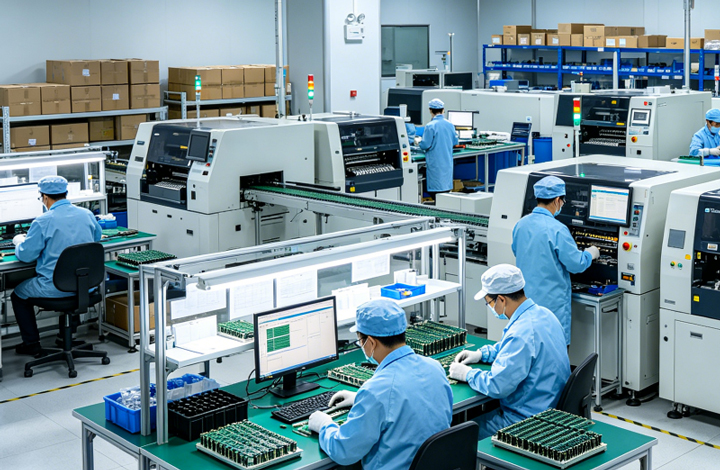

Welcome To Learn About Our Company
Explore our full range of high-performance mounters, feeders, and mechanical replacement components.