Leave Your Message
Explore our front-line high-precision nozzles and mechanical components engineered for demanding SMD and SMT pick-and-place lines.
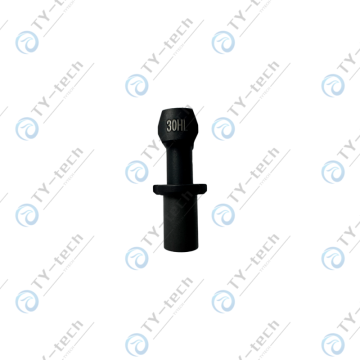
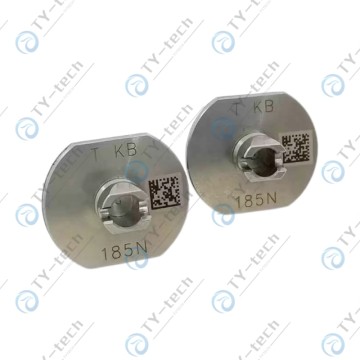
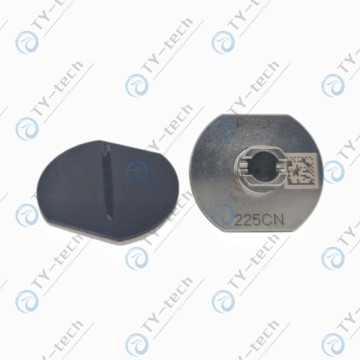
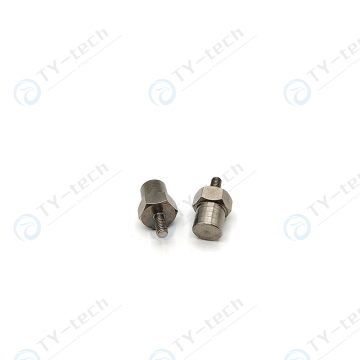
Analyzing the paradigm shift in surface mount technology, where microscopic components dictate the need for absolute calibration accuracy.
In modern electronic manufacturing services (EMS), the density of printed circuit boards (PCBs) has reached unprecedented levels. The rapid deployment of Surface Mount Technology (SMT) and Surface Mount Devices (SMDs) has enabled the mass production of compact, high-performance electronics such as 5G smartphones, automotive control units, and medical wearables. However, as components shrink to micro-scale profiles like 0201 and 01005 packages, the margin for error in SMT placement heads, feeders, and vacuum nozzles has virtually disappeared.
SMT Feeders and Nozzles act as the critical physical interface between the loose component packaging and the precise landing pad on a PCB. A minor misalignment of a few microns or a slight drop in vacuum pressure can result in costly defects such as tombstoning, component cracking, missing parts, or shifted placements. Because of this, precision maintenance upgrades are no longer just routine procedures; they are critical strategies for maintaining high first-pass yields (FPY) and minimizing operational downtime.
SEO Value Note: Implementing systematic maintenance protocols for SMT feeders and nozzles reduces component rejection rates by up to 85%, directly boosting manufacturing efficiency and line profitability.
Historically, SMT maintenance was reactive—components were cleaned or replaced only after a line-stop defect was identified. In today’s high-mix, low-volume (HMLV) and high-volume automotive production environments, this approach is financially unsustainable. Several factors drive the demand for precision upgrades:
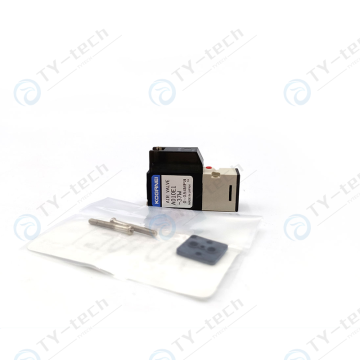
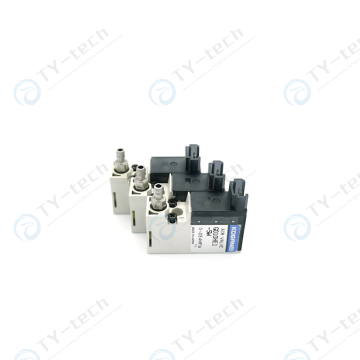
Let us examine the synergy between the pneumatic power systems of an SMT machine and the picking accuracy of its nozzles. Components like the Yamaha KV1-M7162-20X Solenoid Valve and the KGA-M37P0-00X Control Feeder Air Valve are responsible for managing instantaneous air pressure pulses. If these valves suffer from response lag due to internal wear, the vacuum nozzle will fail to pick the component at the exact millisecond the placement head hovers over the feeder pocket.
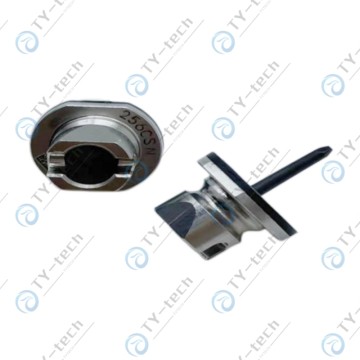
Similarly, large-scale component placement requires heavy-duty nozzles such as the Panasonic 256 CSN Nozzle or the Panasonic 225 CN Nozzle. These nozzles must handle large, heavy SMD inductors and connectors. Without a robust pneumatic actuator (like the Yamaha KHW-M9282-00 Board-Out Cylinder) and high-flow solenoid valves, the placement system cannot generate the structural stability or the vacuum force needed to move these components safely without dropping them mid-transit.
To combat these challenges, leading EMS providers are upgrading their maintenance frameworks to incorporate smart technologies:
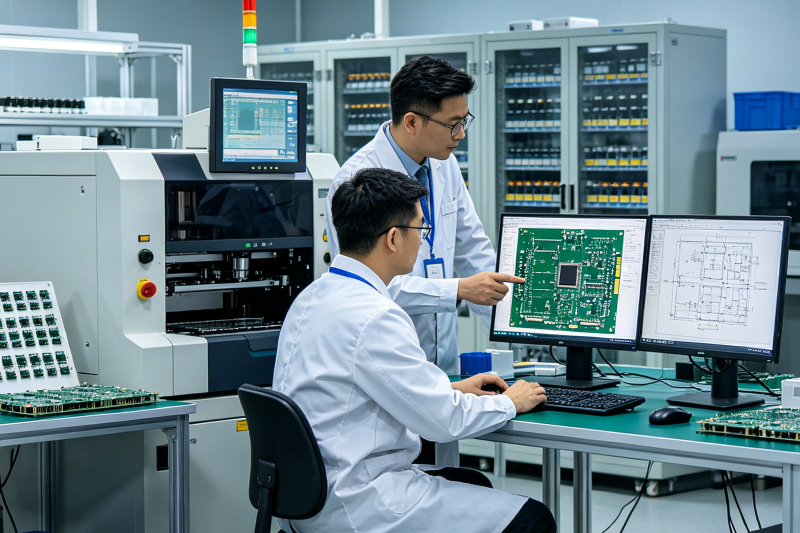
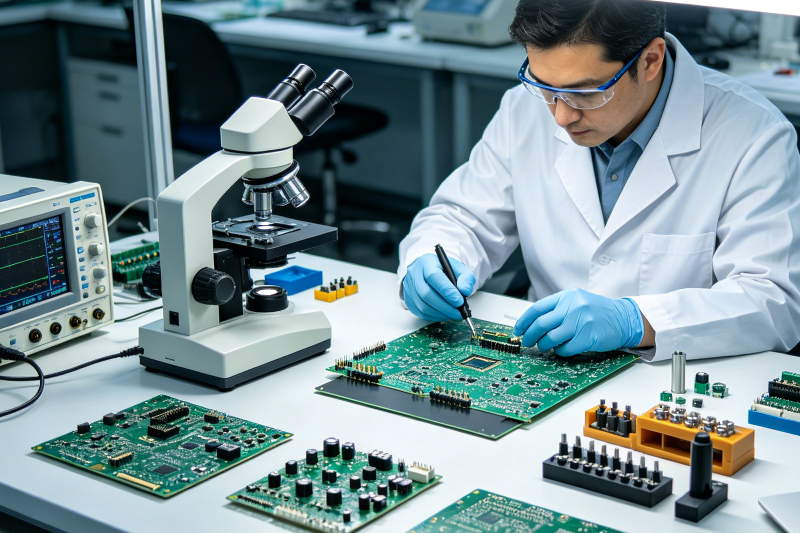
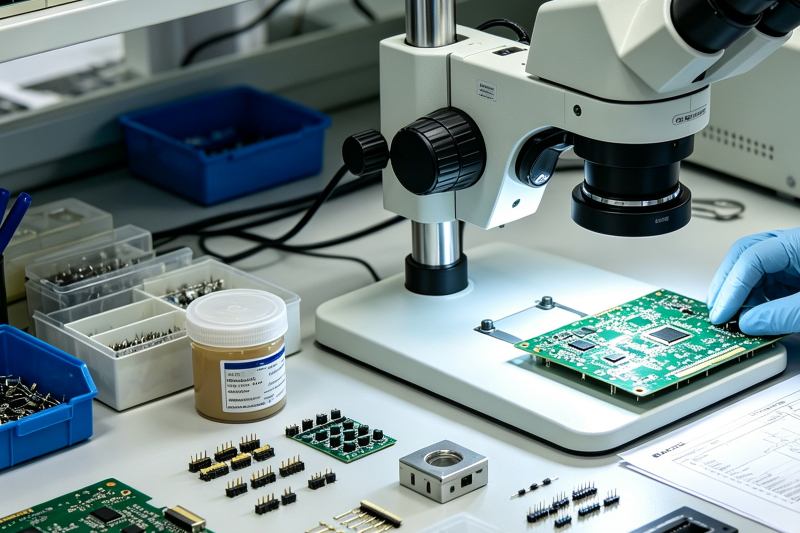

Achieving sub-micron placement accuracy requires a deep understanding of the mechanical and pneumatic forces at play during the pick-and-place cycle. The cycle can be broken down into three critical phases: pick, transport, and place. Each phase relies on specific components operating at peak efficiency.
The speed of an SMT machine is directly limited by the physical response time of its pneumatic valves. When a nozzle descends to pick an SMD component, a vacuum valve must open instantly. If the valve response is delayed by even 5 milliseconds, the nozzle will begin its upward travel before the vacuum has fully developed, leading to a missed pick.
Upgrading to high-speed solenoid valves, such as the Yamaha KV1-M7162-20X, ensures rapid actuation times. These valves are engineered to withstand millions of cycles without degradation in response time, maintaining a consistent vacuum profile across long production runs.
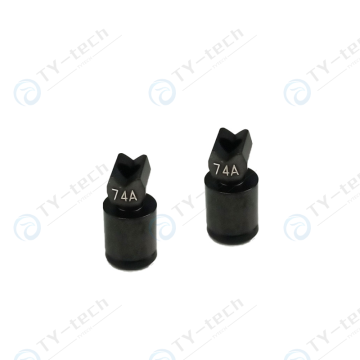
Nozzles are not just metal tubes; they are highly engineered tools made from advanced ceramics, diamond-like carbon (DLC) coatings, and ESD-safe materials. Electrostatic discharge (ESD) is a major concern when handling sensitive semiconductor devices. If a nozzle accumulates static charge, it can damage the internal circuitry of the SMD component during the pick-and-place process.
Furthermore, the tip of the nozzle must be perfectly flat and free of defects to ensure a hermetic seal. Any micro-cracks or wear will allow air to leak into the vacuum line, reducing the holding force. This is particularly critical for large, heavy components that require nozzles like the Panasonic 256 CSN Nozzle. Regular calibration and replacement of worn nozzles are essential to prevent components from shifting or falling during high-speed lateral movements of the placement head.
Key Maintenance Tip: Implement a weekly nozzle inspection schedule using a high-magnification vision system to detect micro-wear and solder paste accumulation before they cause placement defects.
The feeder's job is to present the component at the exact pick coordinates every single time. As the tape is advanced, any pitch variation will cause the component pocket to be misaligned with the nozzle's descent path. This misalignment leads to off-center picks, which can cause the component to enter the vision inspection system at an angle, resulting in a rejected part.
Feeder calibration jigs are used to measure and adjust the feeding pitch, tape tension, and alignment of mechanical components. By upgrading to electronic feeders and using precision calibration tools, manufacturers can ensure that the component is always presented within a +/- 0.05mm tolerance window, significantly reducing pick errors and improving overall line efficiency.
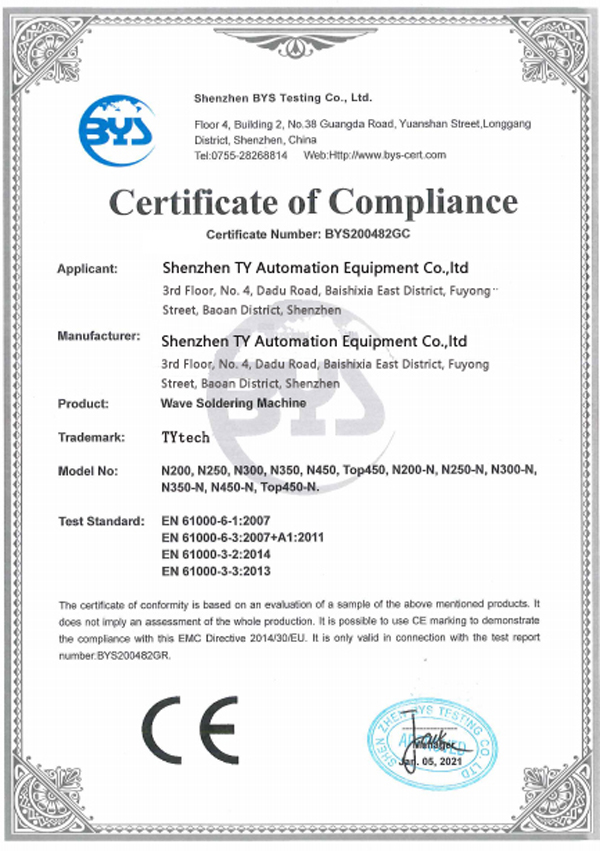
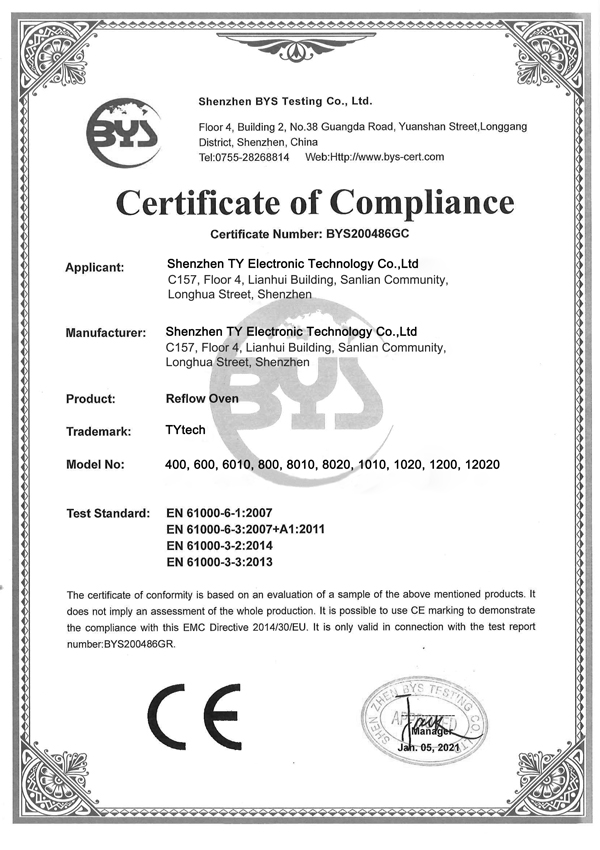
Our commitment to manufacturing excellence and international quality compliance is backed by industry-standard certifications.


Browse our complete range of high-precision nozzles, control valves, and cylinders designed to upgrade your SMT placement machines.