Leave Your Message
In the rapidly evolving landscape of electronic manufacturing, Surface Mount Technology (SMT) has emerged as the definitive standard for assembling printed circuit boards (PCBs). At the heart of this process is the Surface Mount Device (SMD). From ultra-miniature passive components like resistors and capacitors to high-density active components like microprocessors, diodes, and power ICs, SMD devices form the backbone of modern electronics. As consumer demand shifts toward smaller, faster, and more energy-efficient devices, the dimensions of these SMD components have shrunk dramatically. Today, components as small as 0201 and 01005 are commonly deployed, with even smaller form factors on the horizon.
This extreme miniaturization places immense pressure on the pick-and-place machinery responsible for assembling PCBs. High-speed placement heads must pick up these micro-SMD components from tape feeders and position them onto solder paste deposits with micrometer-level precision. Any deviation in the alignment of the feeder, or minor wear on the nozzle tip, can lead to catastrophic placement defects. These defects include tombstoning, component misalignment, missing parts, and damaged components. Consequently, upgrading and maintaining SMT feeders and nozzles has transitioned from a routine maintenance task to a critical engineering priority for achieving high First-Pass Yield (FPY) and reducing rework costs.
As SMD devices scale down to sub-millimeter sizes, traditional pneumatic feeding and standard nozzle materials face physical limitations. Electrostatic charges, vacuum leakage, and mechanical wear can disrupt the delicate balance of high-speed pick-and-place operations.
The global electronics manufacturing services (EMS) market is highly competitive, with margins often depending on fractions of a percent in assembly efficiency. In high-volume production environments, such as smartphone assembly, automotive ECU manufacturing, and medical device fabrication, pick-and-place machines operate 24/7. A single line stoppage caused by a misaligned feeder or a clogged nozzle can result in thousands of dollars in lost productivity per hour.
Furthermore, the introduction of lead-free soldering and high-density interconnect (HDI) PCBs means that placement windows have shrunk. Solder pads are smaller, and the distance between components is minimal. If an SMD chip is placed even slightly off-center, the surface tension of the molten solder during reflow may not be sufficient to pull it back into alignment, resulting in open circuits or solder bridges. To prevent these quality issues, manufacturers are investing heavily in advanced maintenance upgrades for their SMT feeders and nozzles.
The SMT feeder is responsible for indexing the component carrier tape and presenting each SMD device to the pick-and-place nozzle at the exact coordinate required. Traditional pneumatic feeders rely on air pressure pulses to advance the tape. While reliable for larger components, pneumatic systems can introduce vibration and lack the fine-pitch control needed for micro-SMD devices.
Modern upgrades favor electronic motorized feeders. These feeders utilize precision stepper motors or brushless DC motors to advance the tape smoothly and consistently. Motorized feeding minimizes vibration, which prevents tiny 0201 or 01005 components from jumping out of their embossed paper pockets before they can be picked up. Additionally, upgrading to smart feeders equipped with RFID chips allows the pick-and-place machine to verify that the correct component reel is loaded, preventing costly component mix-ups on the assembly line.
The nozzle is the direct physical interface between the pick-and-place head and the SMD device. It must establish a secure vacuum seal on the component's top surface, hold it securely during rapid XY-axis acceleration, and release it cleanly onto the solder paste. Over time, nozzles are subjected to abrasive wear from ceramic component bodies, contamination from solder paste flux, and ESD-related degradation.
Upgrading to advanced nozzles with specialized tip materials, such as ceramic, diamond-like carbon (DLC) coatings, or high-performance plastics, significantly extends nozzle life and improves pick-up rates. Furthermore, implementing a rigorous maintenance protocol is essential. This includes regular ultrasonic cleaning to remove flux residue, vacuum flow testing to detect internal clogs, and automated optical inspection (AOI) of the nozzle tip to check for micro-cracks or deformation.
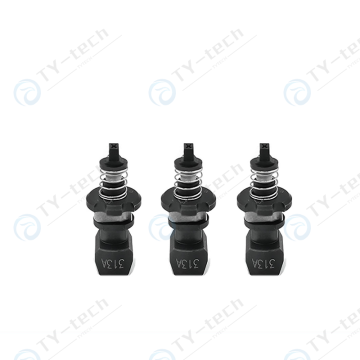
Modern nozzles feature spring-loaded mechanisms for coplanarity compensation, anti-static coatings to eliminate ESD damage, and custom-shaped tips designed for odd-form SMD devices.
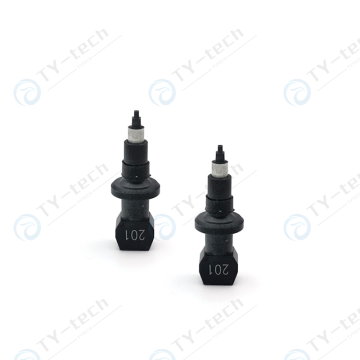
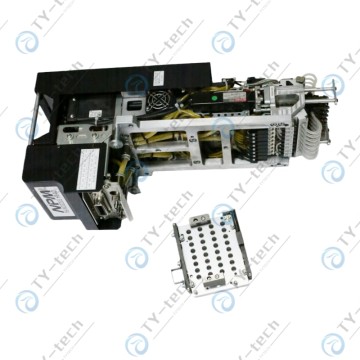
In the consumer electronics sector, particularly for smartphones, smartwatches, and IoT devices, PCB space is at a premium. Assembly lines utilize high-speed rotary heads (such as the Panasonic 16 Nozzle Head Unit) to mount tens of thousands of components per hour. In this scenario, even a 0.1% pick-up failure rate can lead to significant daily component loss and line downtime. Upgrading to high-precision nozzles like the Yamaha KGT-M7710-A0X 201A, specifically engineered for 0201 micro-SMDs, ensures that the vacuum suction is concentrated perfectly, preventing pick-up errors and ensuring stable transport.
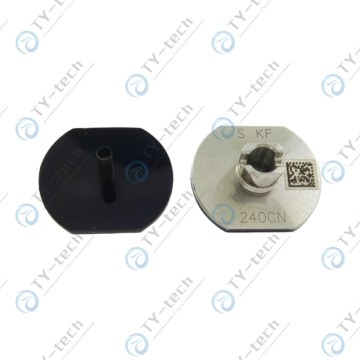
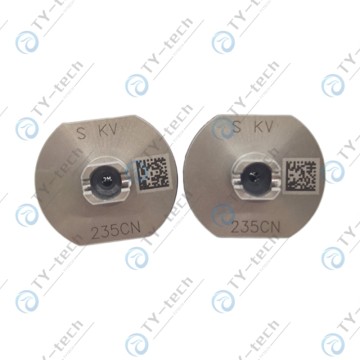
Automotive electronics require absolute reliability under harsh environmental conditions. The SMD devices used in power steering modules, battery management systems, and inverter boards are often large, heavy power components. Standard nozzles cannot handle the weight or the heat dissipation profiles of these components. Manufacturers must deploy heavy-duty nozzles, such as the Panasonic 240 CN Nozzle, which are designed to handle maximum-size, heavy power SMDs. Maintenance upgrades in this sector focus on ensuring high vacuum flow rates and robust mechanical clamping to prevent component dropping during high-speed transitions.
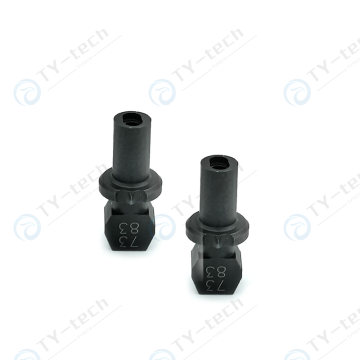
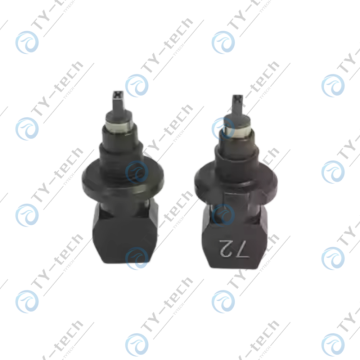
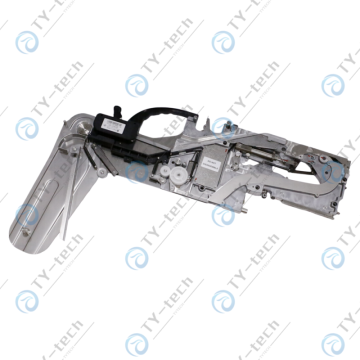
Not all manufacturers have the capital budget to purchase brand-new pick-and-place platforms. Many rely on proven legacy machines, such as the Yamaha YV100X or YV100XG. However, these older machines must still adapt to handle modern, smaller SMD components. By retrofitting these legacy units with upgraded pneumatic or mechanical feeders (like the Hanwha SMN 12 Feeder) and high-precision nozzles (such as the Yamaha KV8-M7720-A1X 72A), factories can successfully mount modern 0603 and 0805 SMD chips without replacing the entire machine. This cost-effective upgrade strategy extends the utility of existing capital equipment while meeting modern production requirements.
Offering professional SMT factory building advice and service
TY-Tech is the leading SMT factory solution provider in China, offering professional SMT factory building advice and service. We have 20 years of experience with SMT factories, offering full solutions for global clients with our great advantaged sources. Our core technology team members are well experienced in the SMT field, learning experience from top international chip mounters while increasing independent research and development. Currently, TY-tech equipment is representative of high quality and has maintained absolute leading technology in the industry.
Over the years, the company has been committed to improving technology, quality, and perfect service. TY-tech makes a positive contribution to international standards, with an annual total capacity of 1200 sets, and has passed ISO9001: 2000, ISO14000, CE, UL, RoHS, and other certifications. Full implementation of the IPD process ensures reliable design and testing throughout the entire product life cycle.


TY-tech's continued investment in research and development and great contribution has been unanimously recognized in the field. By the end of 2000, TY-tech has declared more than 30 patents and software copyrights (including four invention patents), and actively involved in a number of national and industry standards. TY-tech provides more advanced products and fast technical support for global customers, at home and abroad.
We pride ourselves on a customer-oriented business philosophy. Our professional support team works closely with clients from initial inquiry to after-sales service, providing tailored solutions, flexible OEM/ODM services, and efficient logistics coordination. We understand the diverse needs of different markets and are committed to building long-term, collaborative relationships with distributors, retailers, and brands worldwide.
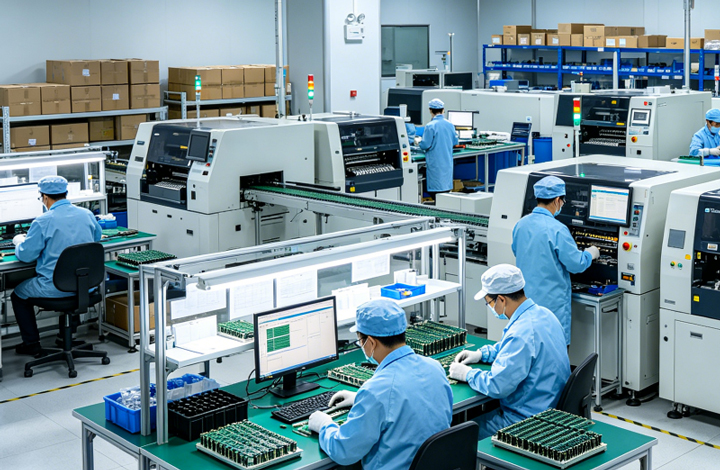

Welcome To Learn About Our Company
Sustainability and social responsibility are integral to our corporate ethos. We prioritize eco-friendly materials and energy-efficient designs, aiming to minimize environmental impact throughout our product lifecycle. Our operations comply with all relevant environmental and ethical regulations, reflecting our dedication to responsible business practices.