- Home
- Products
- About Us
- Application
- FAQ
- News
- Contact Us
Leave Your Message
Engineered for extreme alignment repeatability, anti-static safety, and optimized vacuum pick-and-place cycles across advanced Yamaha and high-speed SMT platforms.
As global optoelectronics transition from standard surface-mount devices (SMD) toward Mini-LED, Micro-LED, and intelligent solid-state lighting architectures, SMT production lines demand unprecedented speed, micron-level accuracy, and holistic process control.
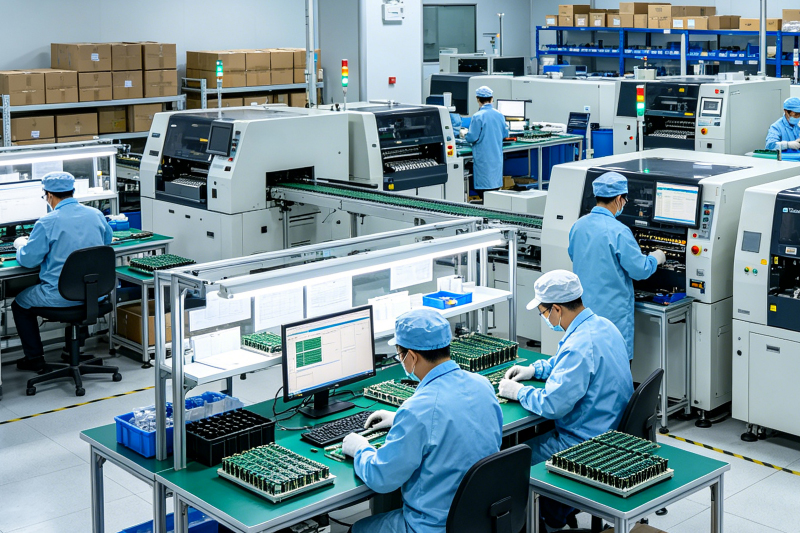
Surface Mount Technology (SMT) represents the backbone of today's optoelectronics industry. In the context of Smd Full manufacturing for LED display boards and commercial lighting, the production landscape is experiencing a massive paradigm shift. From massive commercial billboards and ultra-fine-pitch (UFP) studio displays to automotive dynamic matrix headlamps and high-lumen horticultural fixtures, the requirement for placing millions of miniature components per hour without human intervention has become imperative.
Modern LED display panels, particularly those featuring pixel pitches below P1.2 (such as P0.9, P0.7, and P0.4 sub-millimeter configurations), require the mounting of microscopic 0404, 0202, and even 01005 metric SMD LED chips. At this microscopic scale, traditional pick-and-place equipment struggles with vacuum leakage, component skewing, solder splattering, and electrostatic discharge (ESD) degradation. Consequently, implementing a comprehensive, end-to-end "Smd Full" automated architecture—encompassing precision stencil printing, ultra-fast multi-head mounters, continuous automated optical inspection (AOI), and nitrogen-purged reflow ovens—is now the definitive prerequisite for achieving commercial yield rates above 99.98%.
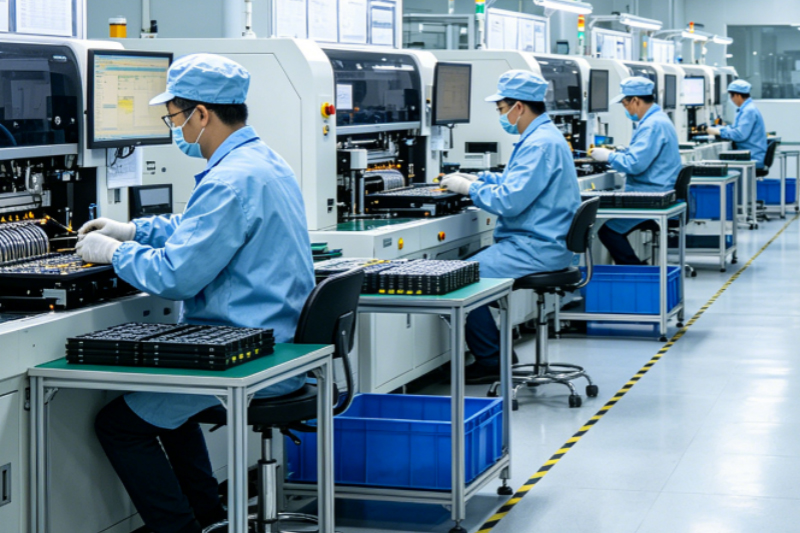
Modern LED lighting and display lines demand placement speeds exceeding 80,000 to 150,000 Chips Per Hour (CPH) per machine, requiring rotary multi-nozzle heads capable of instantaneous dynamic balancing and vacuum sensing.
Alignment tolerances for fine-pitch displays have tightened from ±50μm down to ±15μm at 3σ. Advanced optical recognition algorithms and telecentric vision systems compensate for board warping and thermal expansion in real time.
Sophisticated 10-to-12 zone reflow soldering with precise Delta-T (ΔT ≤ 2°C) guarantees consistent intermetallic compound (IMC) formation without inducing thermal shock or yellowing degradation in delicate LED silicone lenses.
Explore how full SMD manufacturing protocols solve specific electrical, optical, and mechanical challenges across disparate lighting and visual display verticals.
Ultra-high-definition command centers, broadcast virtual studios (xR stages), and luxury home cinemas depend on seamless LED tile integration. In these boards, each SMD module accommodates tens of thousands of RGB chips. A single missing or misaligned component results in visible optical dark spots or color chromaticity shifts.
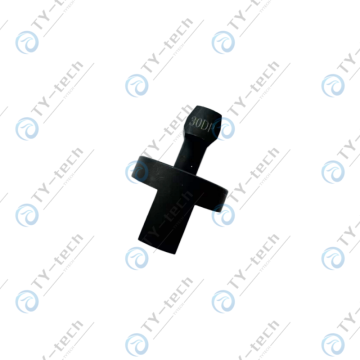
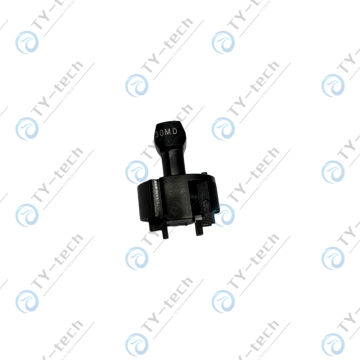
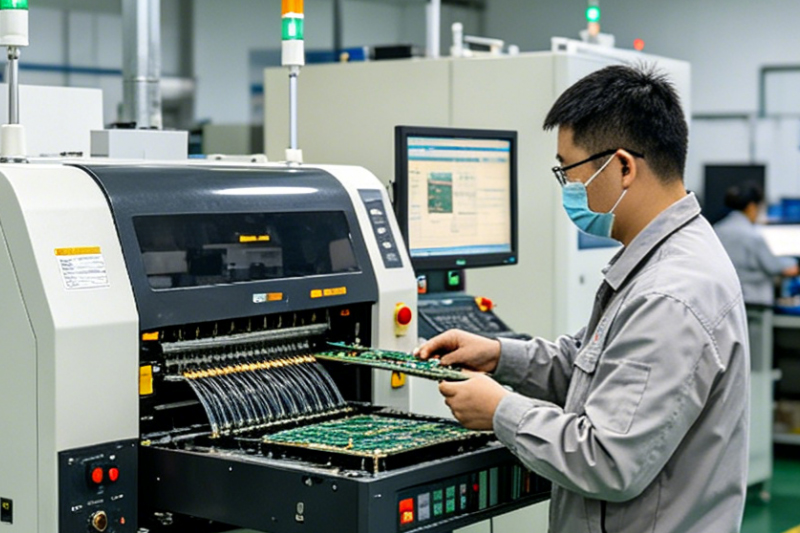
Our Smd Full solutions utilize dedicated dual-port and ceramic anti-static nozzles (such as Yamaha 30DP/30MD series) to prevent package chipping and eliminate residual magnetic attraction during high-speed indexing.
Placement Accuracy: ≤ 18μm | Solder Void Ratio: < 8% | Defect Rate per Million: < 15 DPMO across standard 4-in-1 integrated SMD matrices.
Automotive electronics require strict compliance with AEC-Q102 and ISO 26262 functional safety standards. Modern automotive headlights incorporate multi-pixel matrix LEDs that dynamically illuminate road lanes.
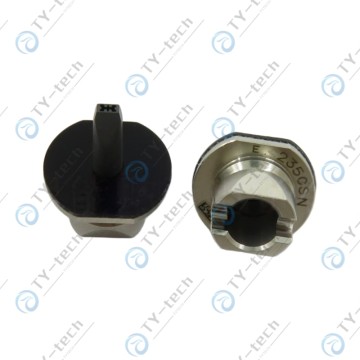
The manufacturing process necessitates void-free vacuum reflow soldering, ceramic submount handling, and robust large-outline component placement (utilizing nozzles like Hanwha CN140 and Panasonic 235 CSN) for integrated driver ICs and power management inductors.
Complete traceability via laser-etched 2D DataMatrix codes, verifying temperature profiles, paste volume, and placement torque for every individual LED emitter.
High-power LED luminaires for stadium illumination, high-bay warehouses, and horticultural grow lights utilize heavy-payload 3030, 5050, and ceramic 7070 SMD LEDs alongside massive aluminum metal-core PCBs (MCPCB). Mounting on MCPCBs requires specialized feeders and nozzles with high holding force to counter surface tension and uneven board coplanarity.
Premium televisions, medical monitors, and automotive cockpits are heavily adopting Mini-LED local dimming backlights containing over 10,000 to 40,000 individual LED dies. The Smd Full workflow leverages high-throughput multi-nozzle gangs, such as Panasonic 185 CN and 230 CSN kits, to achieve massive volume output without compromising mounting precision.
Understanding how hardware innovation, nozzle aerodynamics, and precision thermal profiling solve the four most critical failure modes in optoelectronic manufacturing.
Unequal surface tension during reflow pulls ultra-small 0404 LEDs vertically. Solved via stepped laser-cut stencils, type 5/6 micro-gap solder paste, and ultra-balanced dual-port vacuum placement nozzles.
Excessive thermal exposure damages optical silicone caps. Overcome by implementing 10-zone reflow systems with closed-loop oxygen residual monitoring (< 100 ppm N2 atmosphere) and optimized peak dwell zones.
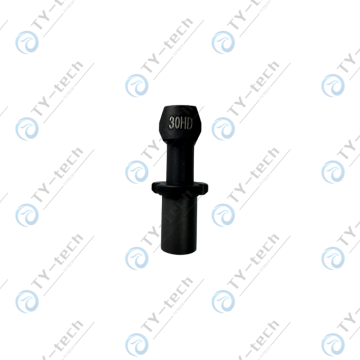
Miniature orifices clog due to flux evaporation and airborne debris. Addressed using diamond-coated or specialized ceramic nozzle tips (e.g., Yamaha 30HD / Panasonic CSN series) with automated ultrasonic cleaning stations.
Thermal variations across large display boards cause binning shifts. Mitigated by maintaining a strict substrate temperature uniformity (ΔT ≤ 1.5°C) across the entire carrier width using intelligent convective heating.
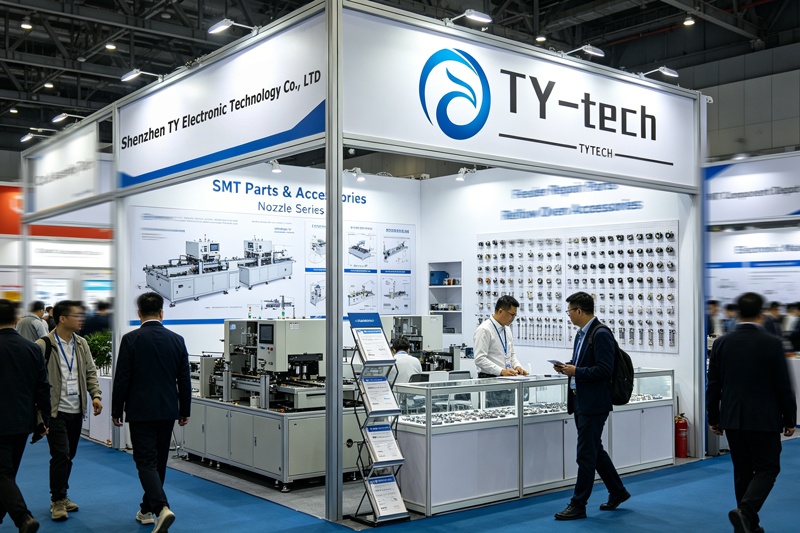
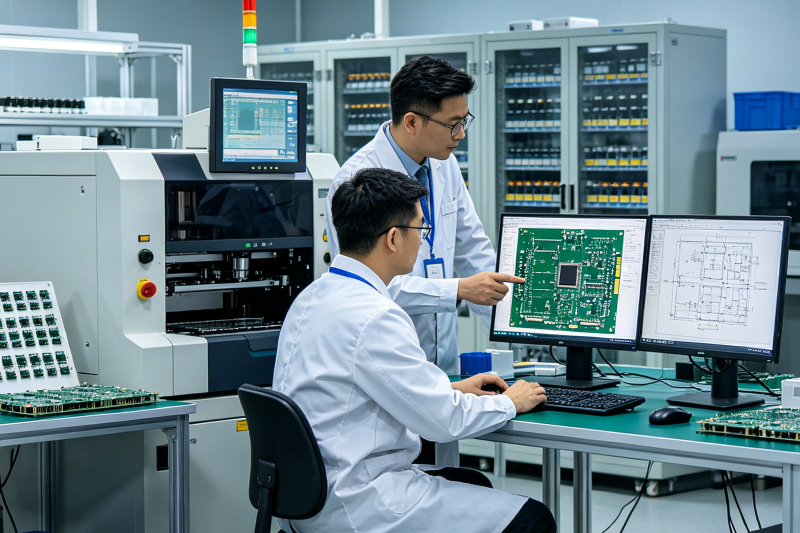
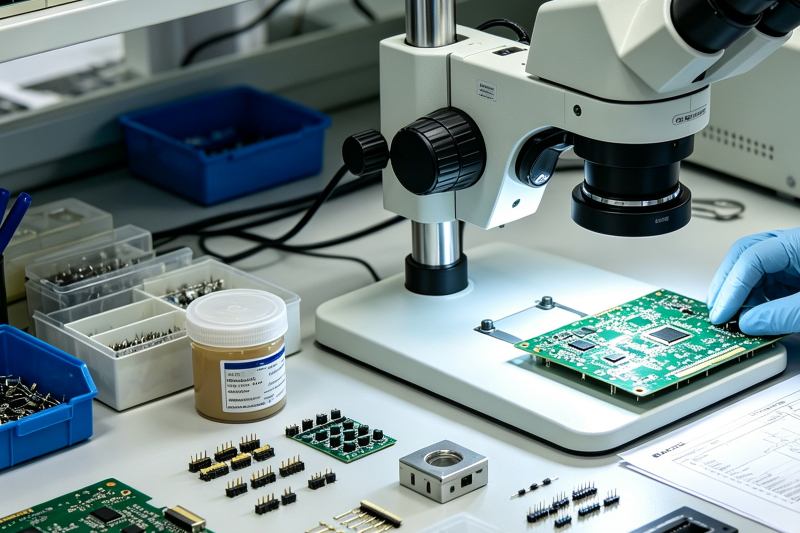
Tour our specialized production workshops, testing laboratories, and precision machining lines dedicated to high-performance SMT nozzles, feeders, and automated accessories.



Strict adherence to ISO 9001, RoHS, and CE manufacturing criteria guarantees top-tier repeatability, vacuum integrity, and mechanical endurance for all SMT replacement parts.
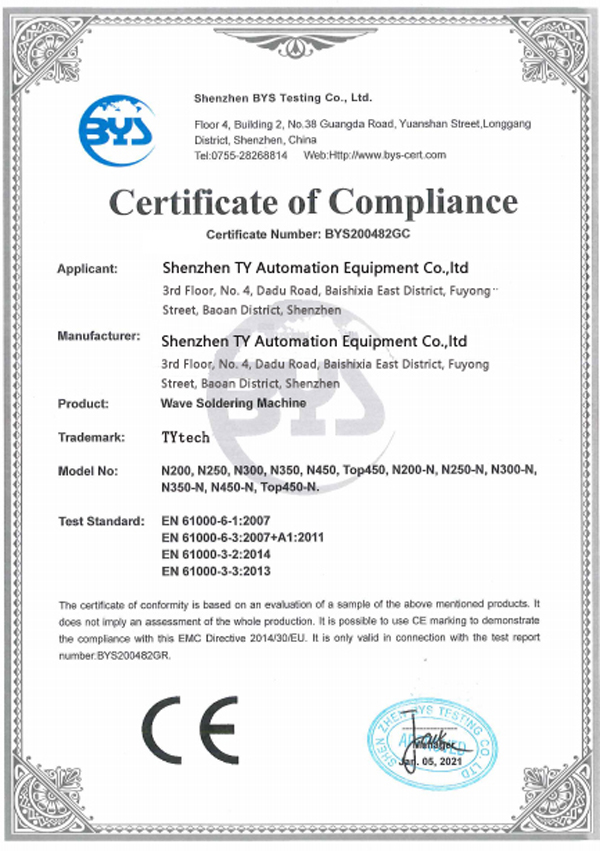
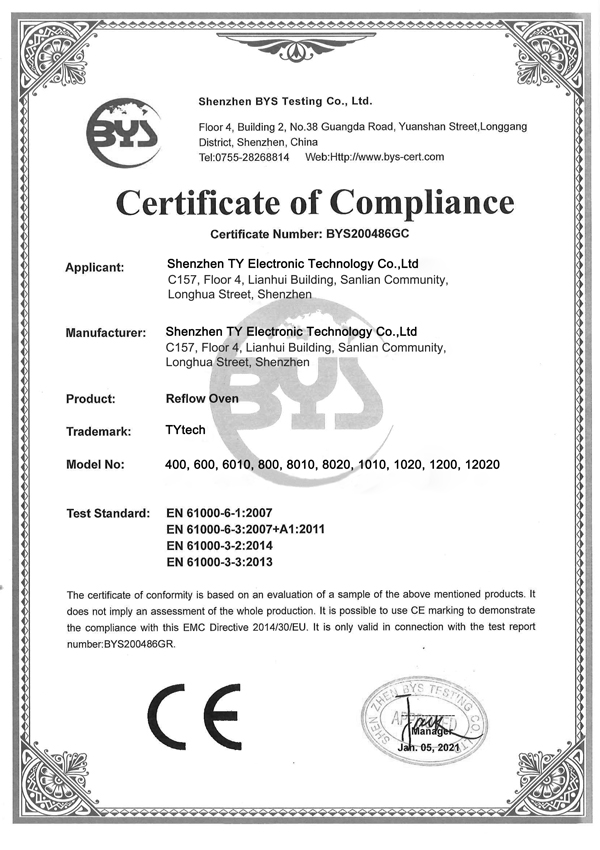

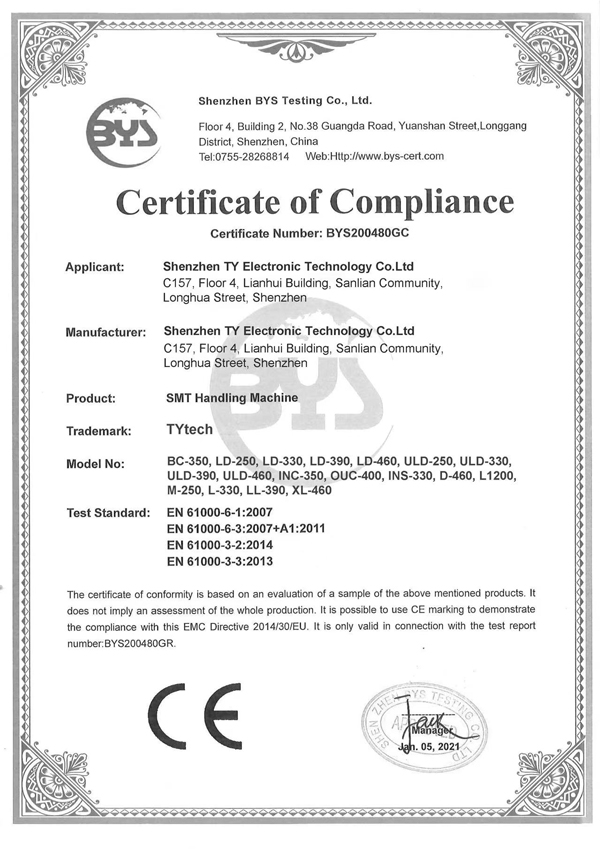
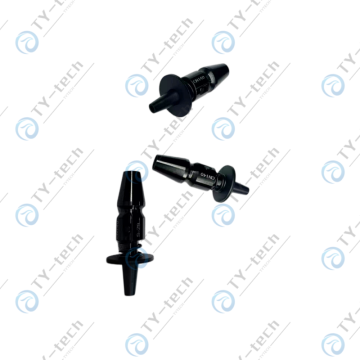
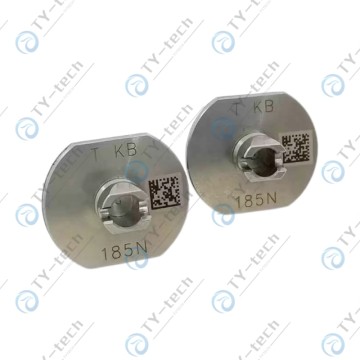
Explore our comprehensive inventory of original and premium-compatible replacement nozzles compatible with Yamaha, Hanwha/Samsung, and Panasonic pick-and-place lines.
Comprehensive answers regarding nozzle maintenance, Mini-LED compatibility, vacuum leakage detection, and placement rate optimization.
Standard metal nozzles can cause microscopic micro-fractures in ceramic or silicone-encapsulated LEDs when working at high kinetic impact speeds. Using specialized high-grade ceramic tips, ESD-safe rubber pads, or diamond-like carbon (DLC) coated nozzles prevents static electricity build-up and minimizes component surface scratching.
Pickup errors generally stem from three roots: vacuum orifice contamination, incorrect vacuum threshold calibration in the mounter software, or improper feeder tape peeling tension causing components to bounce. Implementing calibrated multi-port nozzles (such as Yamaha 30DP / 30MD) provides superior vacuum distribution and eliminates mid-air rotation.
In 24/7 high-speed LED display production environments, nozzles should undergo automated ultrasonic cleaning and vacuum flow rate inspection every 48 to 72 operational hours. Removing sticky flux residues ensures consistent pick angles and prevents vision recognition rejections.
Yes, by upgrading to high-precision feeder banks, installing high-resolution upward-looking optical cameras with telecentric lighting, and adopting multi-nozzle high-density gang kits (like the Panasonic 230/235 CSN modular systems), existing lines can achieve high-efficiency Mini-LED capability at a fraction of the cost of new equipment.