- Home
- Products
- About Us
- Application
- FAQ
- News
- Contact Us
Leave Your Message
Essential high-durability replacement units engineered for high-throughput automated SMD pick-and-place lines.
Analyzing the critical wear ecosystems, mechanical degradation profiles, and predictive replacement strategies in contemporary PCBA production lines.
In modern high-speed surface-mount technology (SMT), production environments demand extreme precision, continuous uptime, and flawless accuracy. The ecosystem of a surface mount device (SMD) platform involves mechanical, pneumatic, electronic, and optical systems functioning simultaneously under millisecond execution intervals. As chip packages continue to shrink toward 0201 metric and 01005 micro-miniaturized geometries, the stress placed on individual SMT machine spare parts escalates dramatically.
High-cycle vacuum nozzles, ceramic tips, feeder advance ratchets, and tape-peeling assemblies face friction abrasion, micro-particulate accumulation, and thermal stresses that alter pick angles and vacuum tolerances.
Main I/O boards, bus communication interfaces, and sensor arrays endure continuous electrostatic environments and thermal cycling, demanding robust logic continuity to avoid intermittent line dropouts.
Multi-nozzle high-speed placement heads and direct-drive servo-controlled feeder lanes need calibrated micro-step tolerances to eliminate component shifting, billboard defects, and misplacement errors.
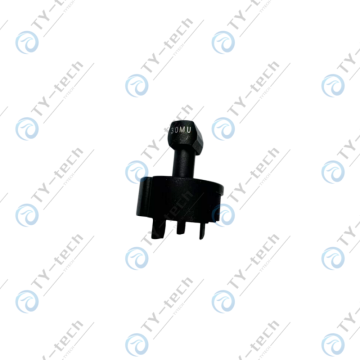
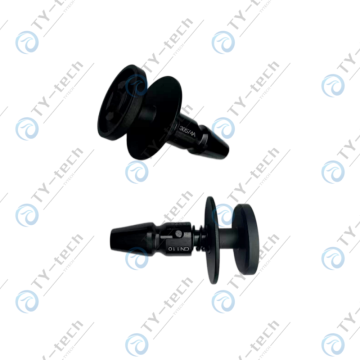
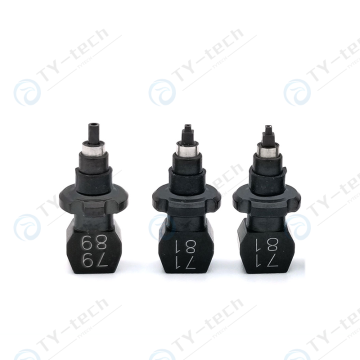
A comprehensive SMT spare parts lifecycle program evaluates components based on mean cycles between maintenance (MCBM) and physical wear patterns. Vacuum nozzles—such as the Yamaha KV8 and Hanwha CN series—operate in constant contact with solder flux residues, particulate dust, and mechanical contact points. Over millions of placements, the inner bore diameter suffers abrasive widening while the reflective ceramic surface degrades, leading to optical recognition failures during machine vision inspection passes.
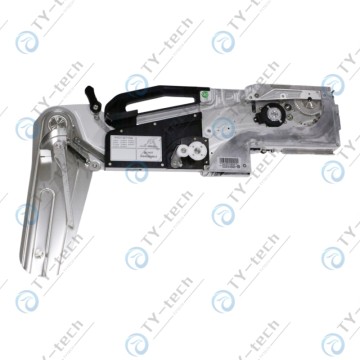
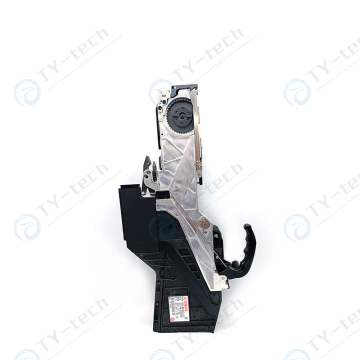
Similarly, motorized and pneumatic tape feeders experience wear along the tape pitch drive gears, cover tape peelers, and optical sensor tracks. In high-density assemblies involving 32mm to 44mm feeders handling electrolytic capacitors or shielded inductors, structural alignment must be preserved within micrometers. Failure to maintain or replace worn guide plates and indexing ratchets results in tape jamming, component tossing, and costly machine stoppages.
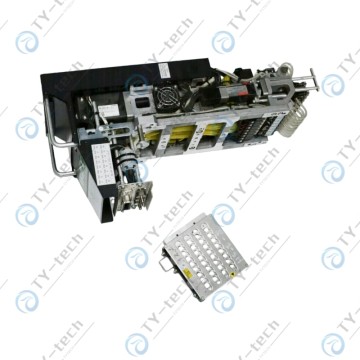
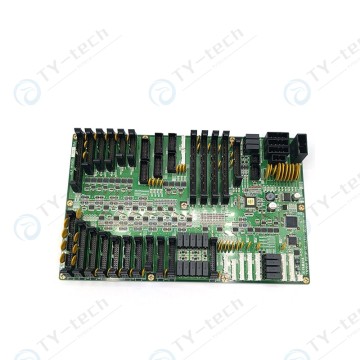
The global electronic contract manufacturing landscape is transitioning from reactive component replacement to predictive, sensor-monitored lifecycle tracking. Industry 4.0 standards incorporate IoT-enabled feeder bases, optical wear recognition stations, and intelligent feeder management systems. Signal distribution modules like the Main IO Signal Board KLF-M4580-009 process millions of digital triggers per shift, coordinating servo motion, vacuum sensing, and real-time feeder indexing.
With high-mix low-volume (HMLV) manufacturing operating side-by-side with massive consumer electronics runs, having a robust supply of verified, OEM-compatible, and high-tolerance SMT machine spare parts is essential. Precision calibration of placement heads (such as multi-spindle 16-nozzle units) maintains CPK values above standard production benchmarks, ensuring consistent mounting accuracy across challenging substrate architectures.



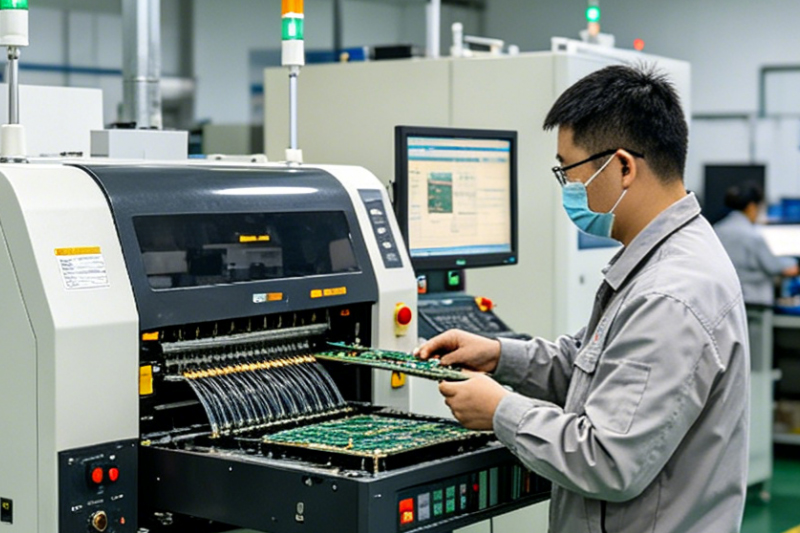
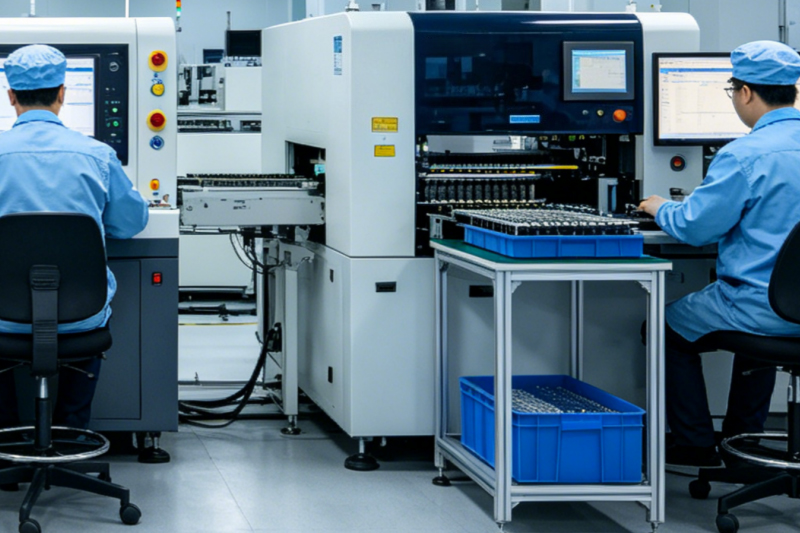
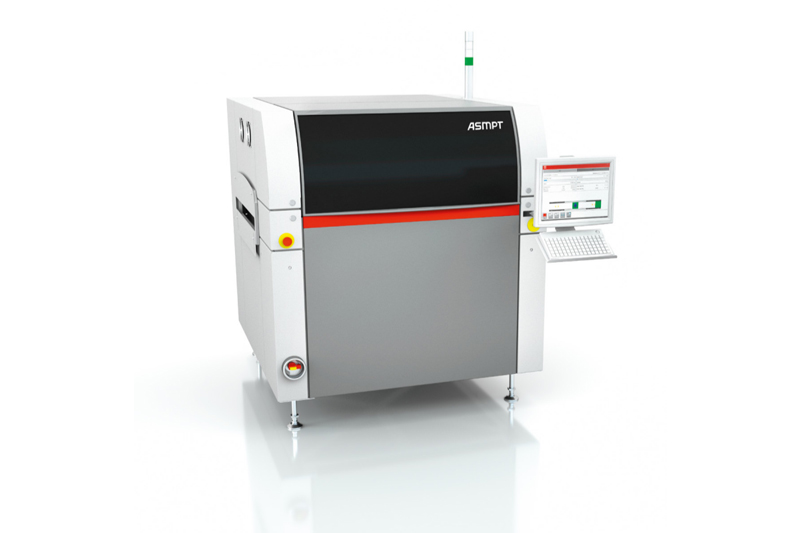
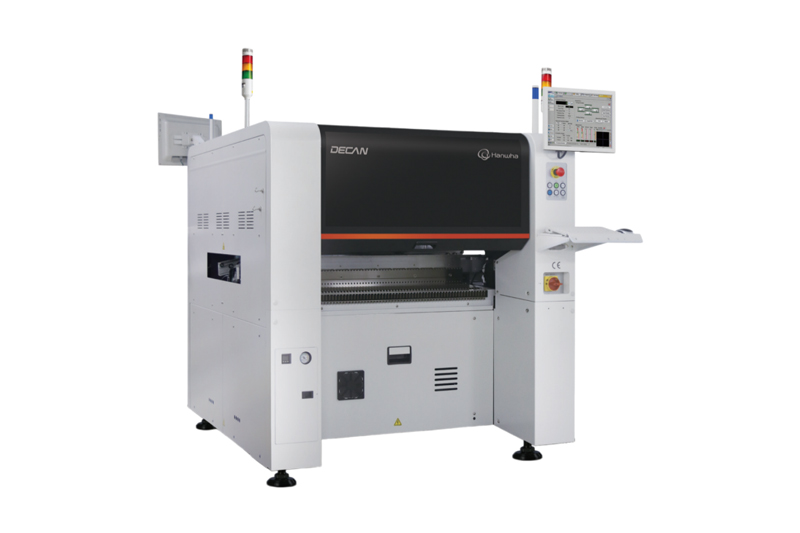
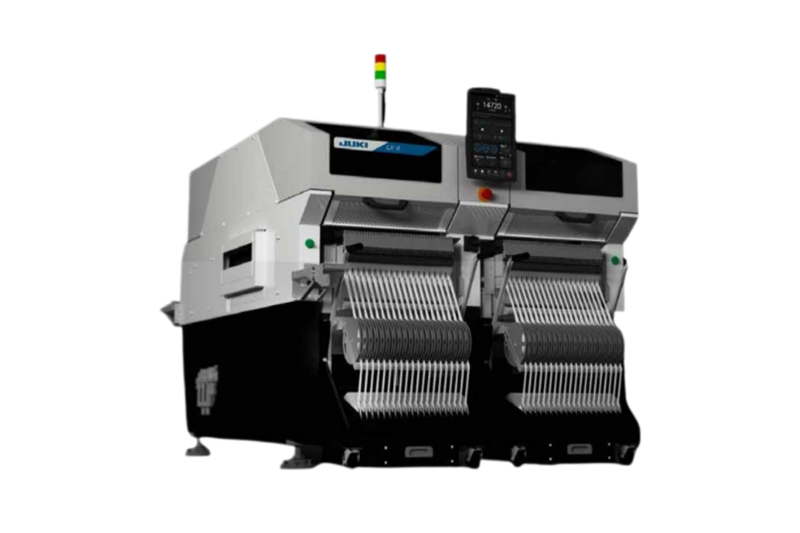
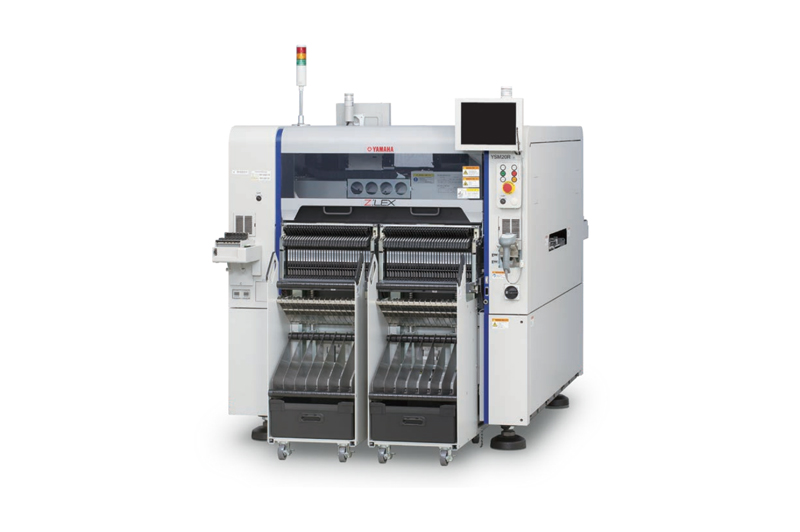
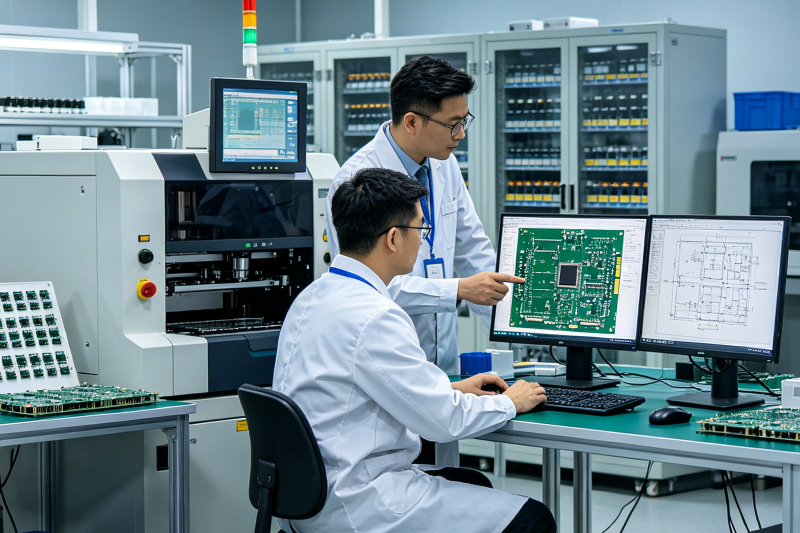





Strategic deployment of specialized nozzles, feeder lanes, and placement heads across demanding electronics assembly domains.
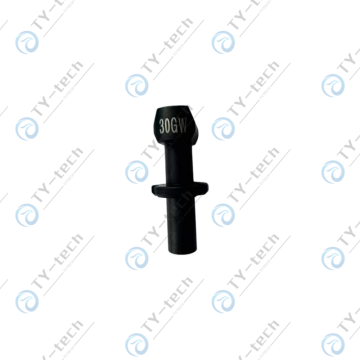
In the manufacture of electronic control units (ECUs), battery management systems (BMS), and inverter drives, thick multi-layer PCBs and heavy thermal copper planes dominate. These boards necessitate large-footprint components, power MOSFETs, and shielded inductors. Utilizing high-stability components such as the Hanwha CN110 S-Z9 nozzle or the Yamaha 30GW wide-base nozzle ensures stable vacuum force during fast deceleration, preventing component displacement before reflow soldering.
Consumer mobile devices feature ultra-tight component clearances with passive chips placed mere microns apart. Here, lightweight multi-nozzle placement heads (such as the Panasonic 16-nozzle head) coupled with micro-bore pick tools like the Yamaha 71A nozzle achieve sub-25-micron placement repeatability. Wear in these assemblies manifests in vacuum seal leakage or micro-wobble, necessitating routine scheduled replacement to avoid solder bridge shorts and tombstoning phenomena.
Electronic Manufacturing Services (EMS) handling hundreds of setup changes weekly require high-durability tape feeders. Yamaha SS44mm electric feeders and Hanwha SME 32mm IT feeders feature motorized stepping sequences that reduce vibration compared to pneumatic indexing. Regular inspection of feeder guide pins, shutter springs, and motor gears prevents tape pocket tearing, ensuring 99.98% pick efficiency rates across all shifts.
Complete replacement solutions for Yamaha, Hanwha, and Panasonic pick and place platforms.