Leave Your Message
The global demand for high-performance light-emitting diodes (LEDs) has grown exponentially. From massive outdoor digital billboards and fine-pitch indoor commercial displays to energy-efficient smart home lighting and automotive LED systems, the manufacturing requirements are evolving rapidly. At the core of this production revolution is Surface Mount Technology (SMT). Deploying a specialized SMT machine for LED display board systems and lighting applications is no longer just an operational choice; it has become a critical competitive differentiator for electronics manufacturing services (EMS) providers worldwide.
Unlike standard printed circuit board assemblies (PCBAs) which typically feature diverse arrays of microprocessors, connectors, and passive components, LED SMT lines prioritize speed, massive throughput, board length capability, and absolute coplanarity. LED lighting strips and backlights require long PCBs—often up to 1200mm or even 1500mm. Standard SMT mounters cannot handle these dimensions without complex indexing, which slows down production. Consequently, dedicated LED SMT placement machines are designed with extended gantry travel and specialized conveyor systems to process long boards seamlessly.
As display technologies shift from traditional SMD LEDs to Mini LED and Micro LED architectures, component sizes have shrunk below 0202 (metric) and even 01005. This requires SMT placement machines with ultra-high precision, advanced vision alignment, and optimized vacuum nozzle designs to maintain high yield rates.
While LED manufacturing seems straightforward due to the repetitive placement of similar components, it presents unique engineering challenges:
To achieve high-yield assembly, every component of the SMT line must operate in perfect harmony. Key sub-systems like motors, conveyor tracks, vision cameras, and nozzles dictate the overall efficiency of the line.
The gantry of an SMT machine moves back and forth at extreme speeds, carrying a placement head loaded with multiple nozzles. In LED manufacturing, where the distances between pickup and placement can be significant due to long boards, the gantry must accelerate and decelerate rapidly without introducing vibration.
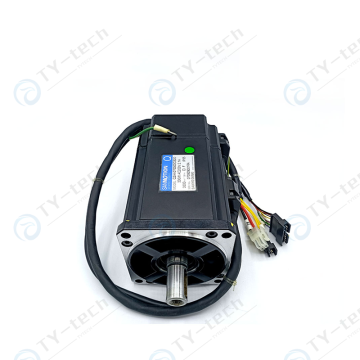
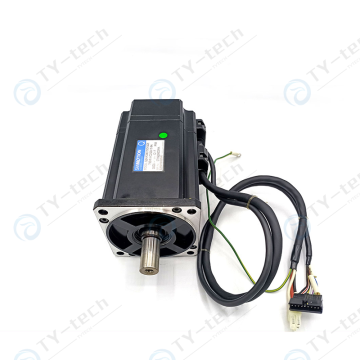
High-performance servo motors, such as the Yamaha 90K63-511403 750W Q Motor, are utilized to drive these heavy gantry beams. By providing high torque and rapid response times, these motors ensure that the placement head reaches its target coordinate with micron-level accuracy. Similarly, horizontal head movements rely on smaller but equally precise motors, like the Yamaha 300W Q Motor, to adjust the pitch of individual nozzles during on-the-fly component alignment.
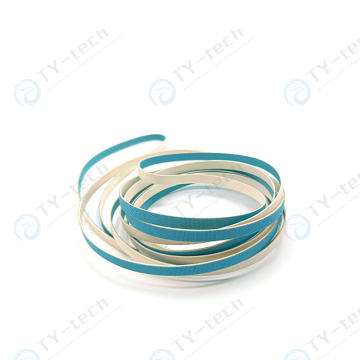
Conveyor systems must transport long, fragile LED substrates without causing slippage or vibration. Even minor disruptions during board infeed or outfeed can displace wet solder paste or pre-placed components. Track components like the Yamaha KKE-M917H-50 Infeed/Outfeed Belt ensure consistent friction and tension, preventing sudden jerks. This is particularly vital for multi-stage SMT mounters like the Yamaha YS24, where dual-beam gantries place components on different areas of the board simultaneously.
With fine-pitch LED display boards, a single misaligned sub-pixel (RGB LED) can ruin an entire module. Advanced SMT lines implement real-time 2D and 3D optical inspection directly on the placement head or via specialized camera units.
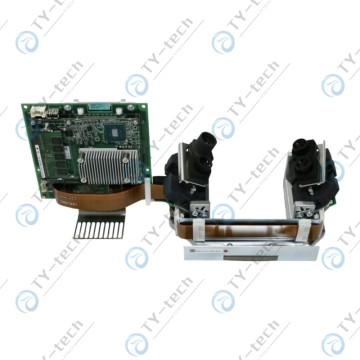
Modern SMT machines integrate high-speed multi-recognition vision cameras. Units like the Panasonic Camera Type 3-2 Assembly are engineered for NPM series mounters to perform 2D component alignment and 3D coplanarity inspection. As the placement head picks up LEDs from the feeder, the camera scans each component from below, detecting defects like chipped edges, upside-down components, or bent leads. If a component fails inspection, it is automatically rejected before placement, maintaining a high first-pass yield.
Achieving maximum Overall Equipment Effectiveness (OEE) in high-speed LED SMT lines requires careful selection of consumables and wear parts. Because these machines run 24/7 to meet high volume targets, parts like nozzles, gears, and lubricants must be monitored and maintained regularly.
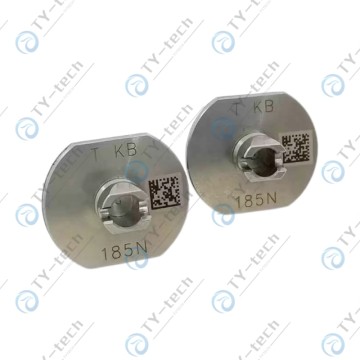
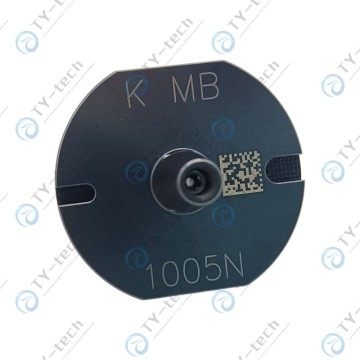
The nozzle is the direct interface between the SMT machine and the component. Depending on the size of the LED or driver IC being placed, different nozzle geometries are required:
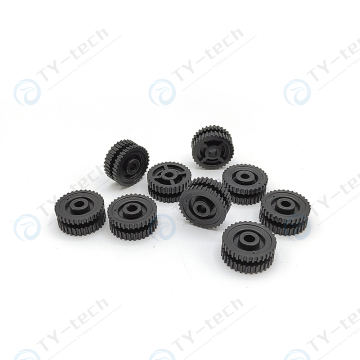
LED components are supplied on embossed plastic or paper tapes. In high-speed manufacturing, tape reels are depleted rapidly, generating massive amounts of waste carrier tape. Feeder mechanisms must reel in and cut this waste tape cleanly to prevent jams. Components like the KHJ-MC25A-00 Gear 2 play a critical role in driving the waste tape rewind system on SS12 and SS16 SMT feeders, ensuring continuous, uninterrupted operation.
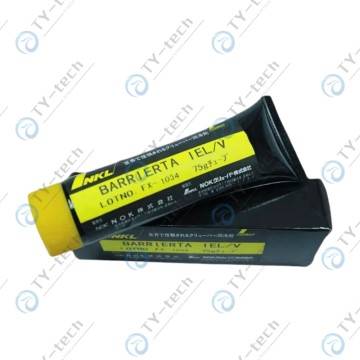
Because LED SMT machines operate at high speeds and duty cycles, mechanical wear is accelerated. Linear guides, ball screws, and feeder gates must be lubricated with high-grade synthetic oils to prevent friction-induced heat and positioning errors. Using specialized lubricants like the Panasonic Maintenance Oil KXF05PLAA00 75G ensures that moving parts remain clean, smooth, and free from carbon buildup, directly extending the lifespan of expensive gantry components.

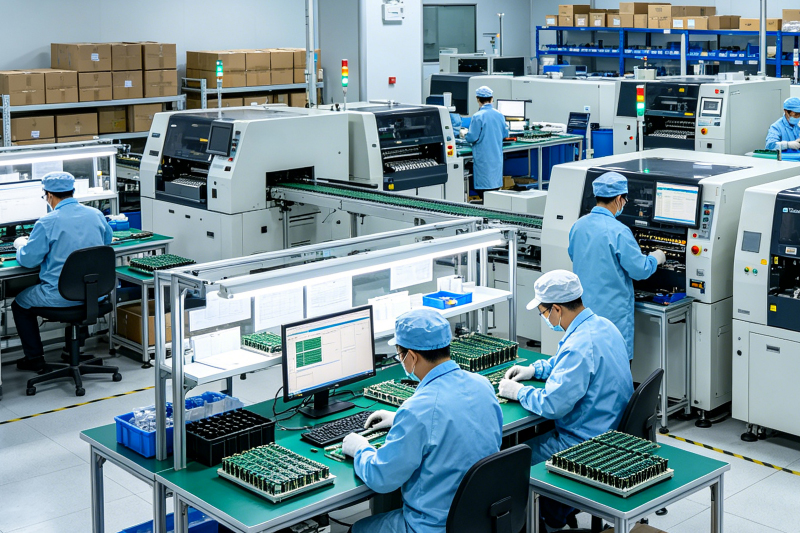
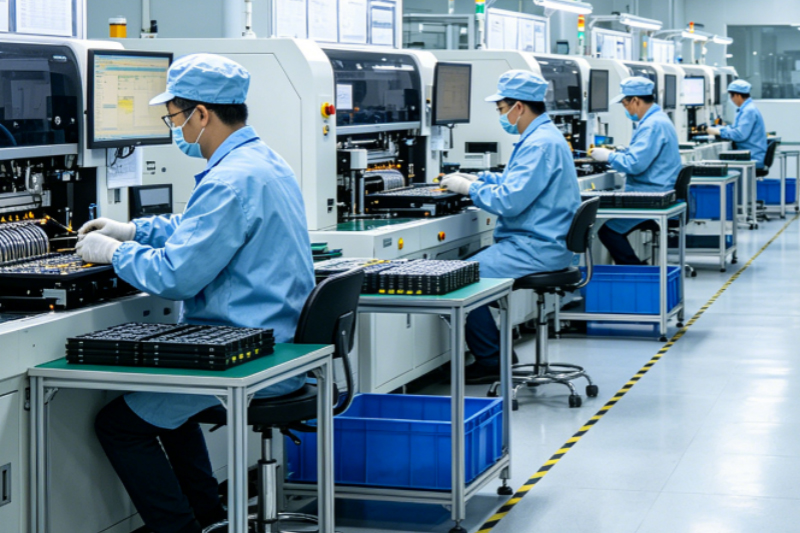
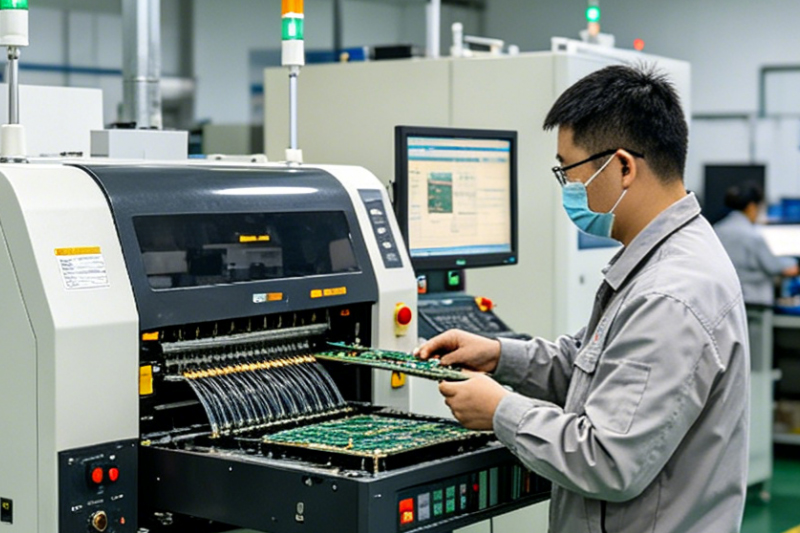
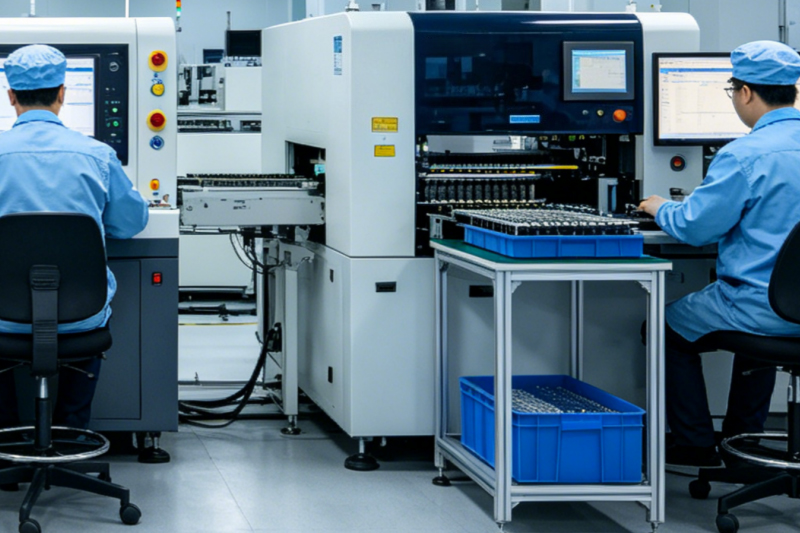
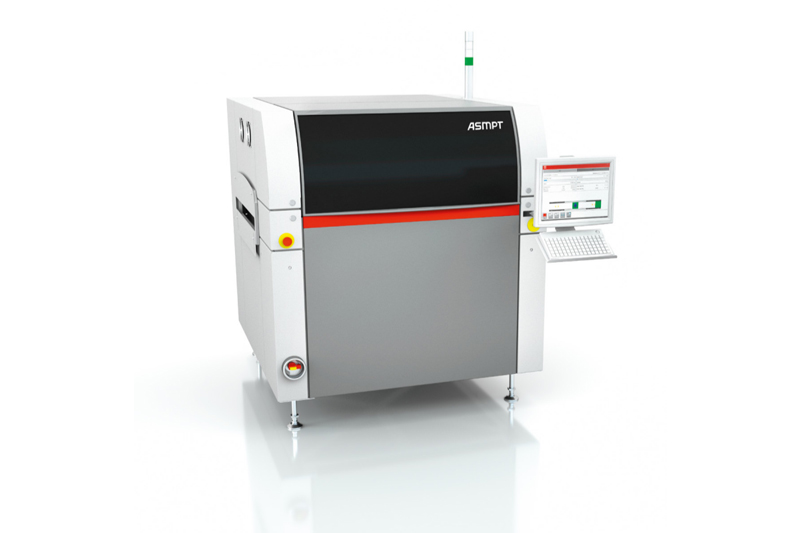
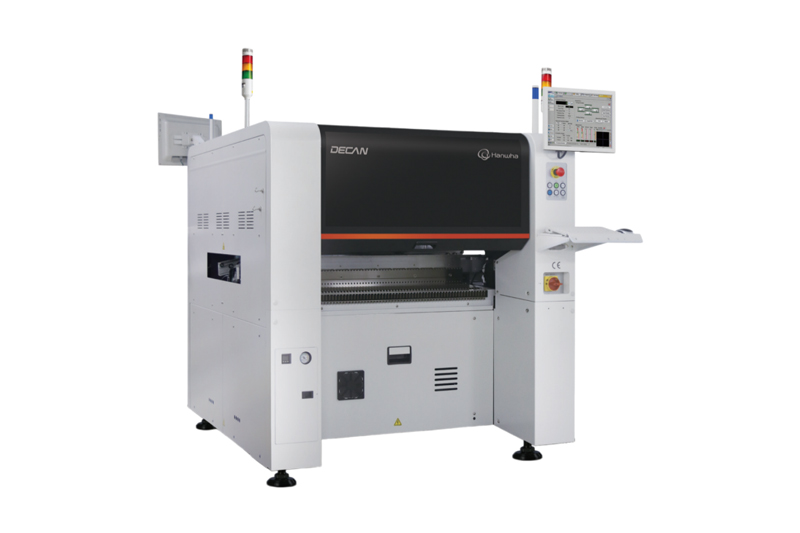
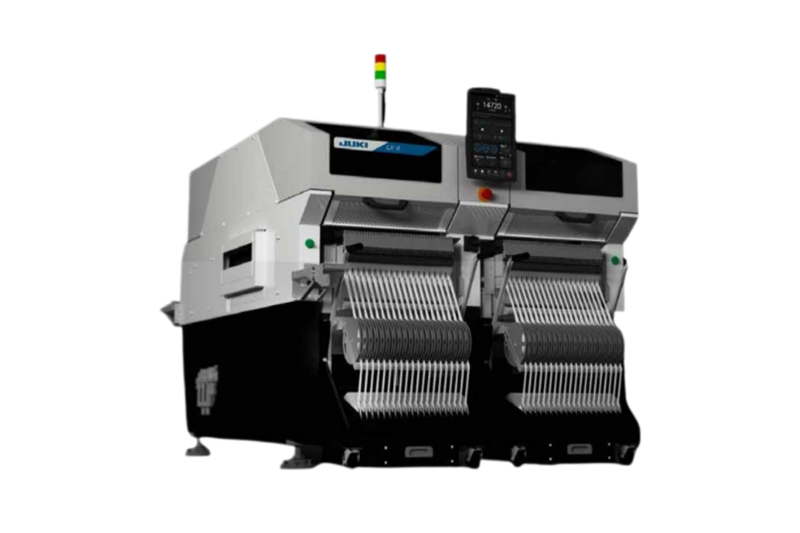
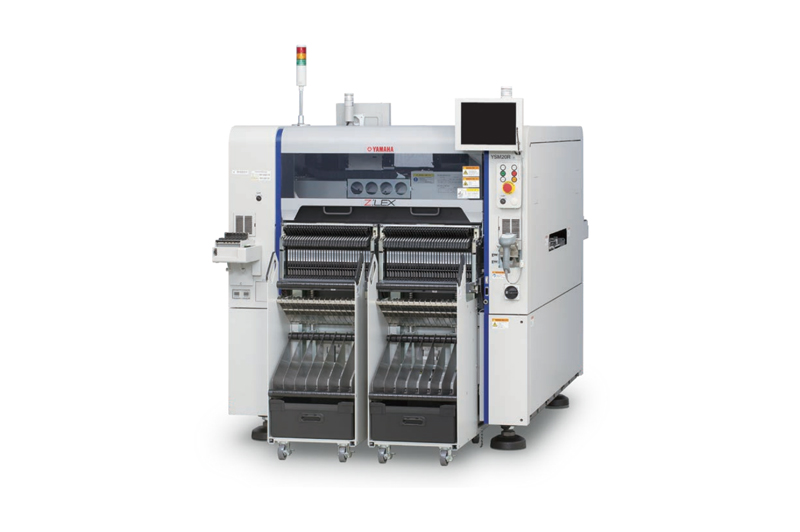
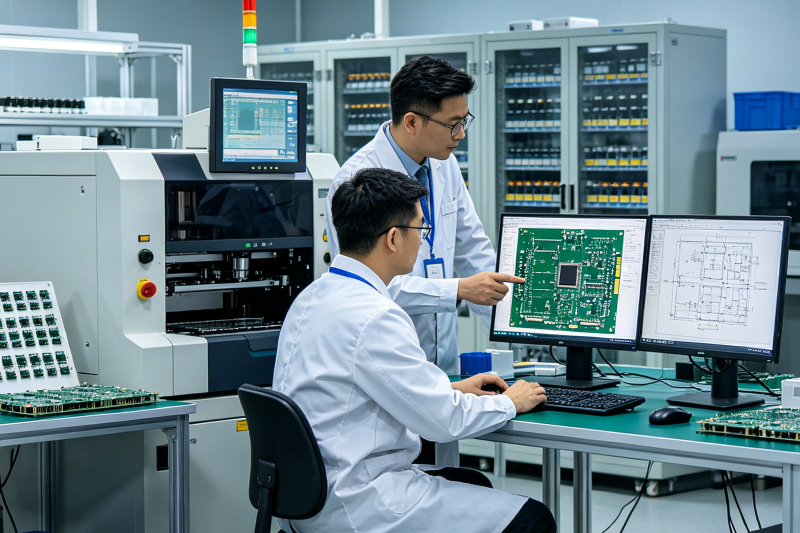
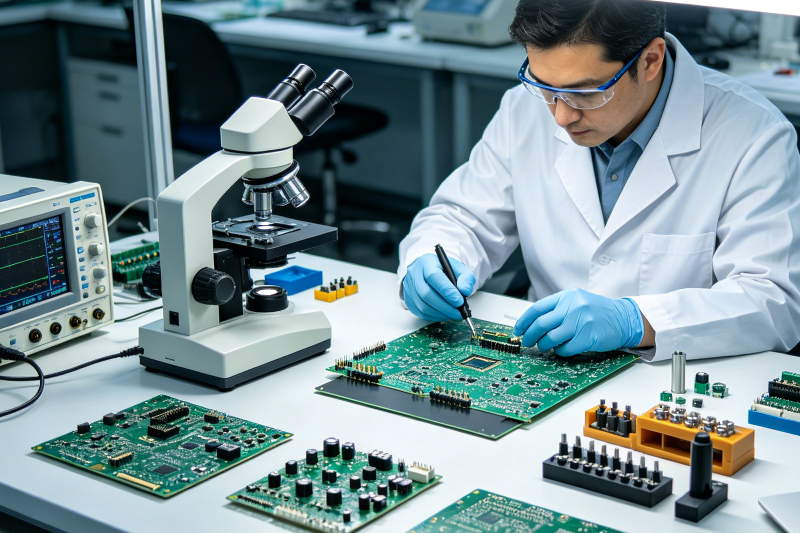
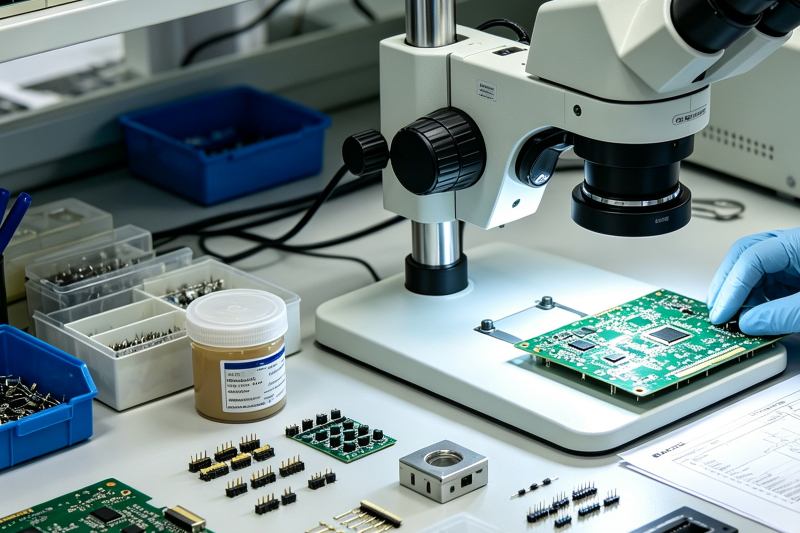
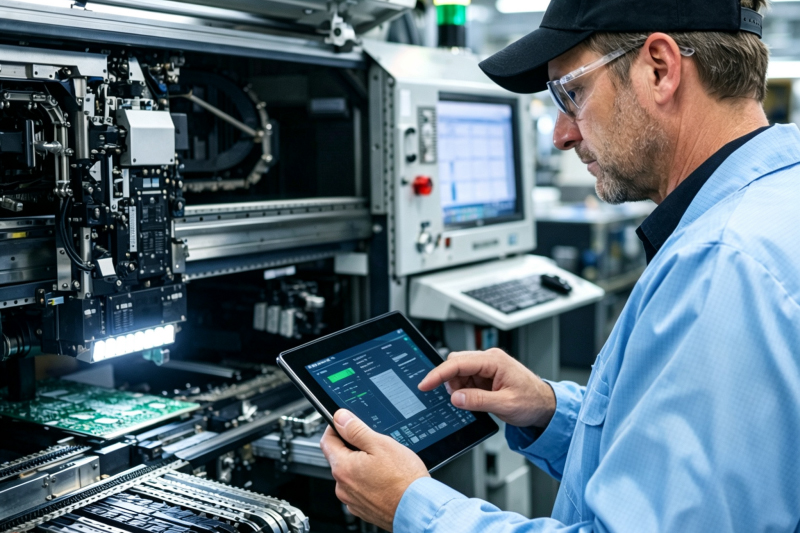
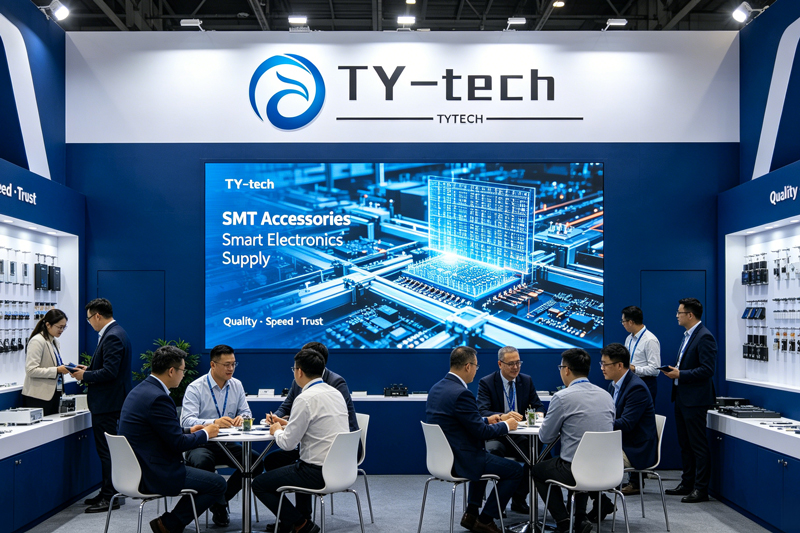
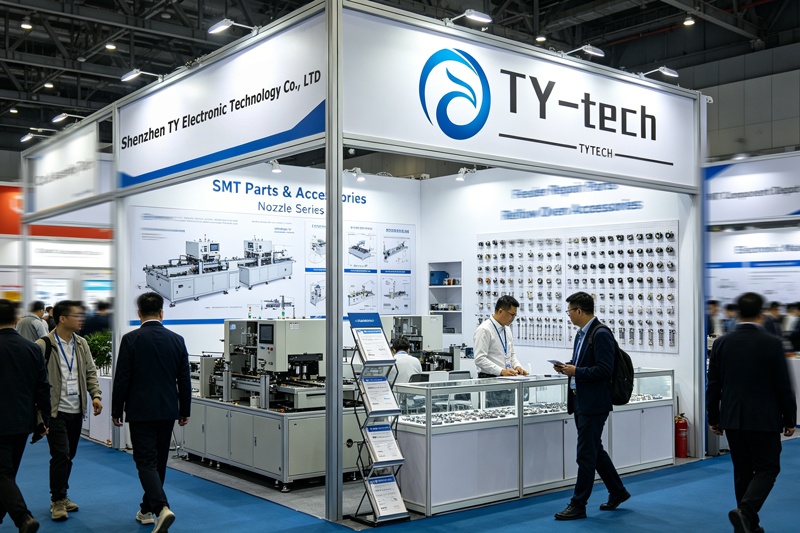
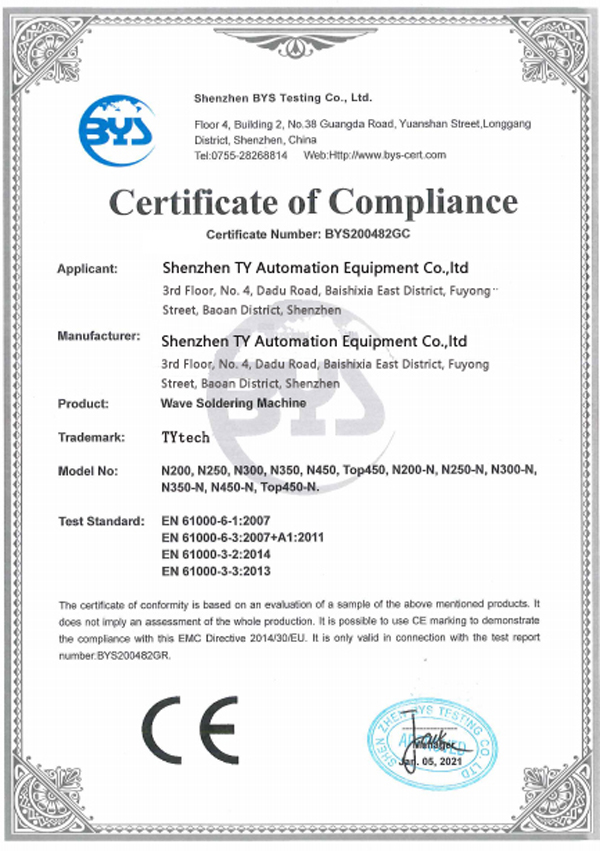
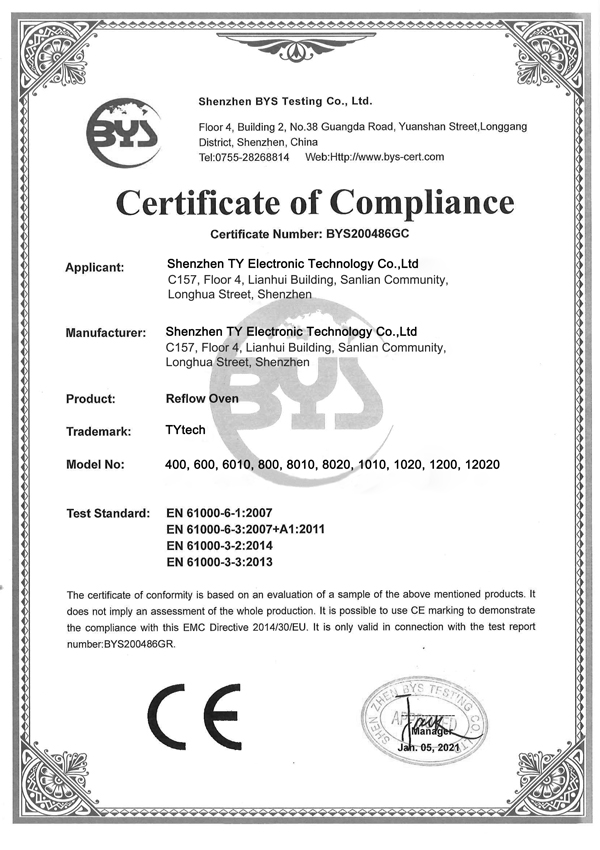
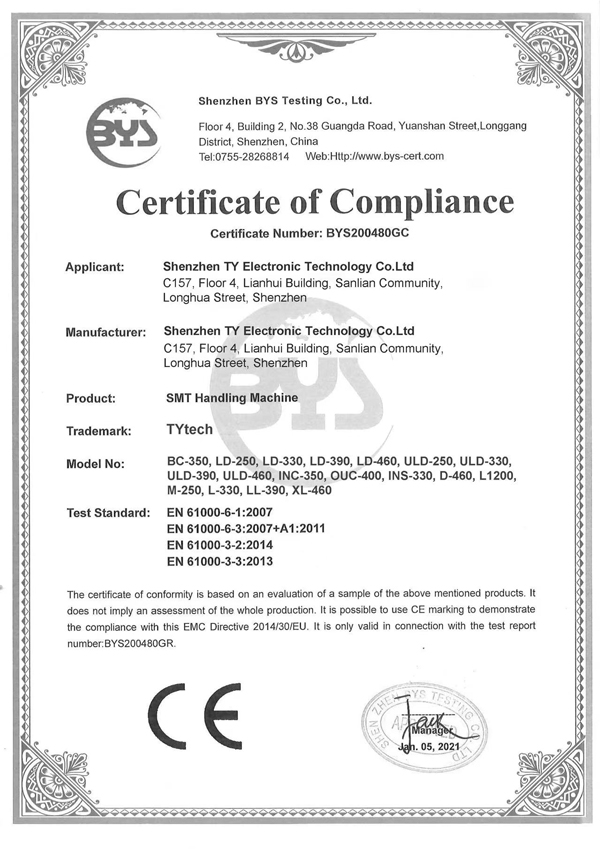
Our SMT manufacturing equipment, spare parts, and processes comply with international quality, safety, and performance standards, ensuring long-term reliability and high placement accuracy.

The SMT landscape is rapidly shifting towards smart factories and Industry 4.0 integration. For LED display and lighting manufacturers, several key trends are defining the next generation of SMT lines:
Modern lines connect the Solder Paste Inspection (SPI) machine, the Pick-and-Place machine, and the Automated Optical Inspection (AOI) machine into a unified, intelligent feedback loop. If the AOI detects a recurring component shift trend, it automatically communicates with the SMT mounter. The mounter then adjusts its placement offsets in real-time, preventing defects before they occur.
With the convergence of LED lighting and smart electronics, PCBs increasingly feature both standard LEDs and complex ICs (such as Bluetooth modules and microcontrollers). Hybrid SMT machines combine high-speed LED placement heads with multi-functional heads on a single platform, allowing manufacturers to run diverse product designs on one line without changing configurations.
Mini LED backlights for TVs, tablets, and automotive dashboards require the placement of hundreds of thousands of tiny dies per board. Traditional pick-and-place methods are being replaced by mass transfer technologies and high-speed multi-head gantries capable of placing up to 150,000 components per hour (CPH) with accuracy levels down to ±10 micrometers.
Whether you are assembling standard LED lighting strips or advanced fine-pitch display modules, maintaining high throughput and placement accuracy is vital. Investing in high-performance motors, precision nozzles, robust feeders, and regular preventative maintenance ensures your SMT line operates at peak efficiency with minimal downtime.