- Home
- Products
- About Us
- Application
- FAQ
- News
- Contact Us
Leave Your Message
Explore critical hardware building blocks engineered to ensure high-cadence, micrometer-level accuracy on Panasonic and Yamaha surface-mount platforms.
How the evolution of ultra-dense fine-pitch matrix displays and high-lumen architectural lighting is redefining surface-mount technology requirements.
The global electronic assembly sector is witnessing a transformative paradigm shift led by advanced LED display boards (ranging from standard outdoor SMD video walls to high-definition Mini-LED and Micro-LED displays) alongside solid-state lighting (SSL) architectures. Manufacturing these boards is no longer a matter of generic component placement; it is a meticulous, high-throughput micro-assembly endeavor. A typical 4K Mini-LED commercial display panel can encompass tens of thousands, or even millions, of discrete LED dies mounted across large-format printed circuit boards or flexible substrates. In such operational regimes, traditional mounter tolerances quickly become bottlenecks.
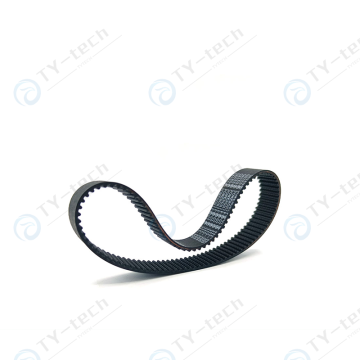
To sustain yields exceeding 99.999% at cycle speeds surpassing tens of thousands of components per hour (CPH), the physical SMT machine parts—spanning industrial control host computers, linear motion encoders, feeder drives, high-speed rotary heads, and carrier transport systems—must sustain zero thermal drift, zero backlash, and sub-millisecond synchronization. Failure in even an auxiliary component, such as an unstable intermediate conveyor track or a worn axis timing belt, creates cumulative positional offsets that result in optical color shifts, uneven luminescence across adjacent display tiles, and catastrophic solder bridging.
Specialized lightweight multi-nozzle heads (such as 16-nozzle systems) apply calibrated sub-gram vacuum and tactile pressure, preventing mechanical micro-cracking across fragile, unencapsulated Mini/Micro LED chips.
Embedded industrial PCs (IPC) compute vision correction matrix algorithms and real-time fly-by optical alignment instantly, guaranteeing continuous trajectory adjustment at maximum linear acceleration.
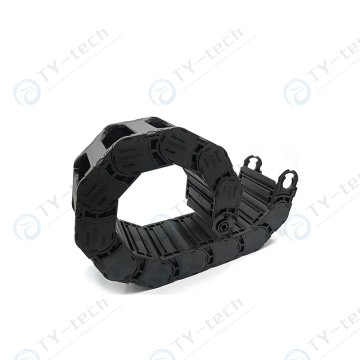
Multi-section Y-axis energy chains and anti-vibration hydraulic shock absorbers stabilize rapid 2.5G reciprocation cycles, eliminating mechanical resonance that distorts narrow-pitch LED coordinates.
Manufacturing long-strip linear LED luminaires (such as 1.2m or 1.5m architectural lighting tubes) and dense LED video tiles entails distinct mechanical challenges:
Thin, extended FR4 or aluminum-backed PCBs are prone to sagging. Precision middle-track locating systems ensure consistent PCB datum leveling right under the nozzle trajectory.
With thousands of LEDs fired per minute, optical reject recognition must trigger immediate part drops into high-speed discharge boxes without halting the active placement cycle.
High-torque sub-fractional horsepower servo motors power tape reel indices smoothly to avoid component bounce or pocket jamming within 0201/01005 carrier tapes.
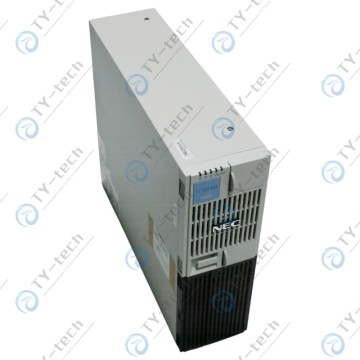
Predictive maintenance is becoming fundamental to Tier-1 LED production facilities. By pairing OEM-grade replacement parts—such as authentic Panasonic NPM feeder motors, industrial computing units, and low-friction drag chains—manufacturers mitigate catastrophic downtime during continuous 24/7 assembly runs.
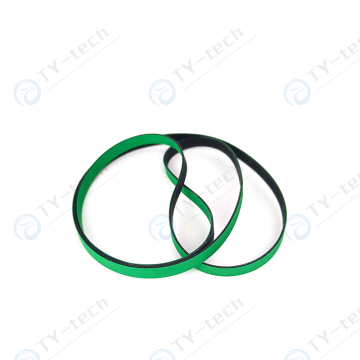
Regular calibration of rotary placement heads and timely replacement of movement drive belts prevent torque slippage, safeguarding line efficiency, lowering Defect Parts Per Million (DPPM), and ensuring seamless production yield across fine-pitch LED display batches.
Factory-grade replacement modules, drive assemblies, and pick-and-place subcomponents designed to enhance line velocity and placement repeatability.
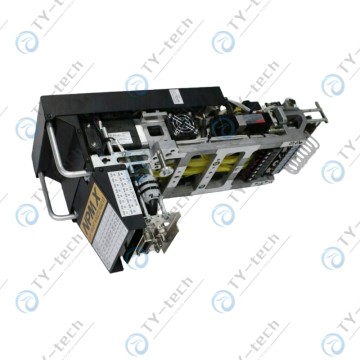
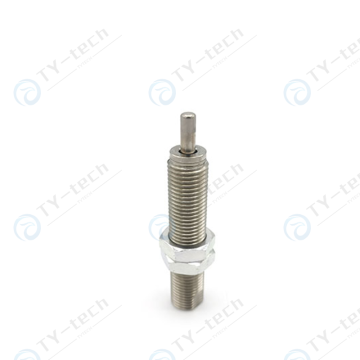
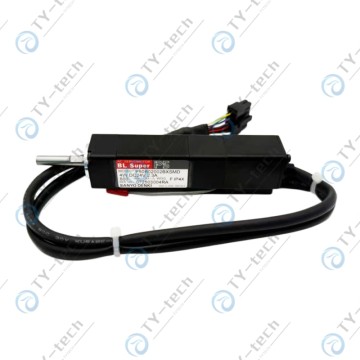
Committed to world-class precision testing, rigorous cleanroom assembly, and stringent quality control protocols for global surface-mount machinery supply.
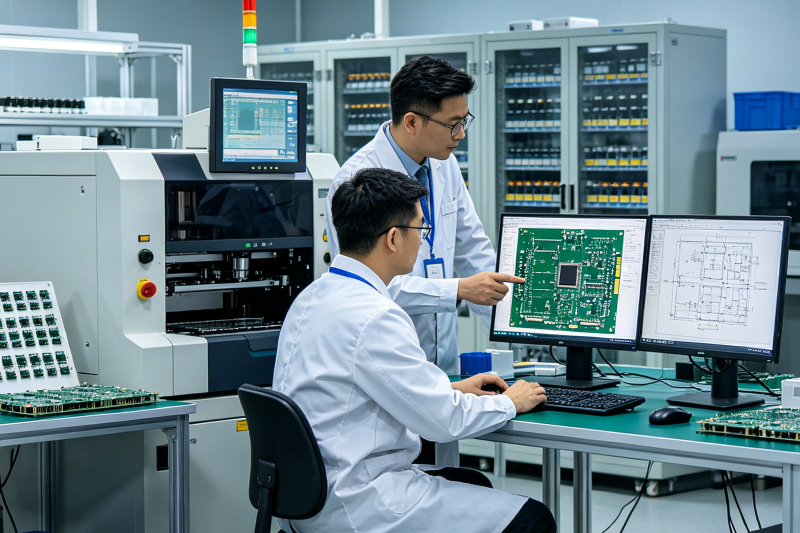
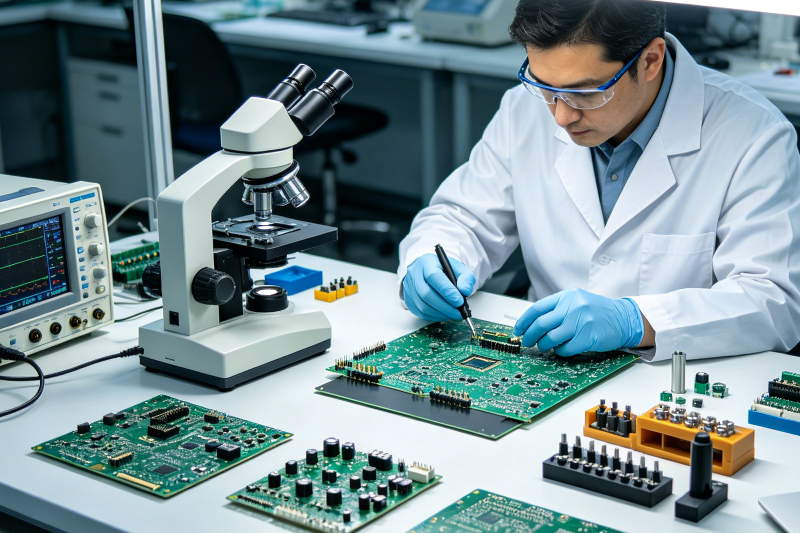
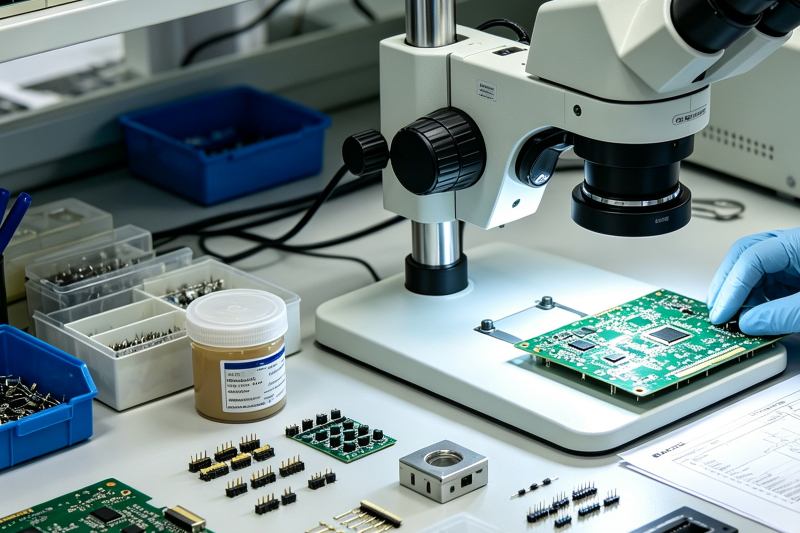
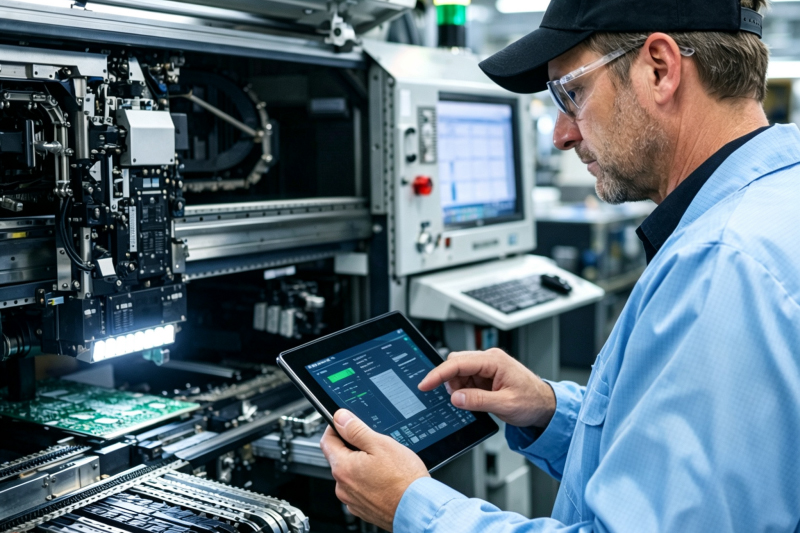

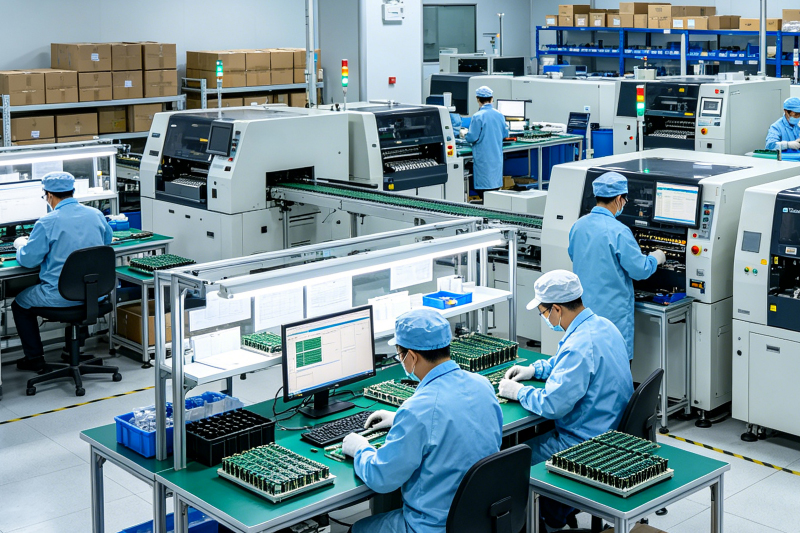
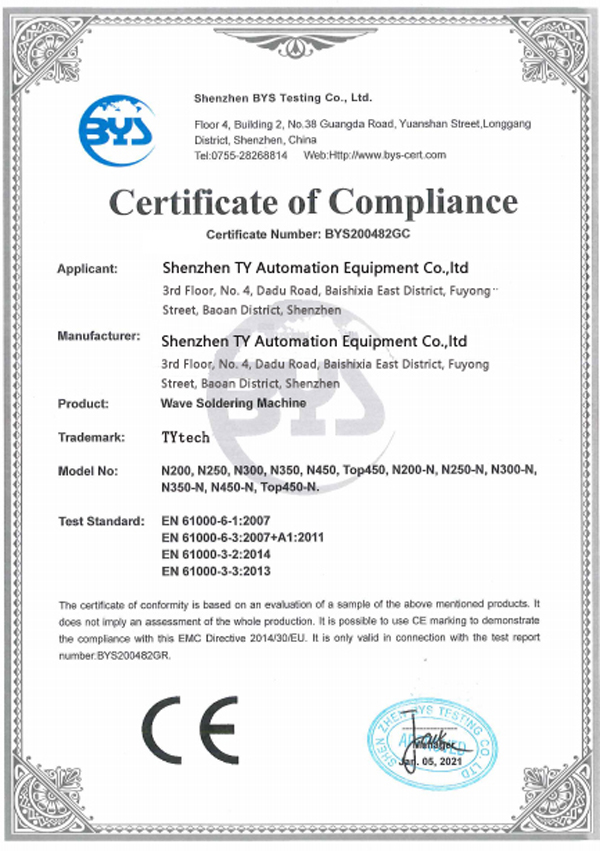
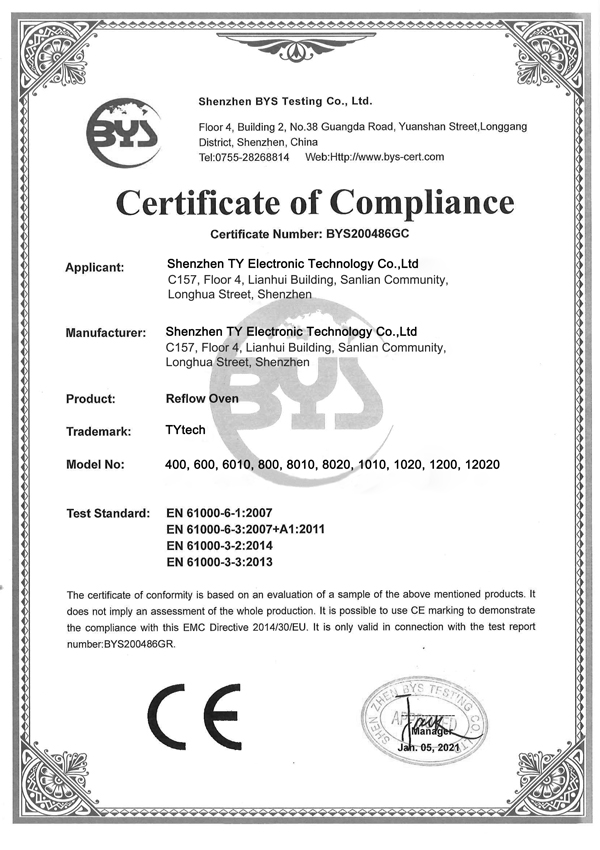
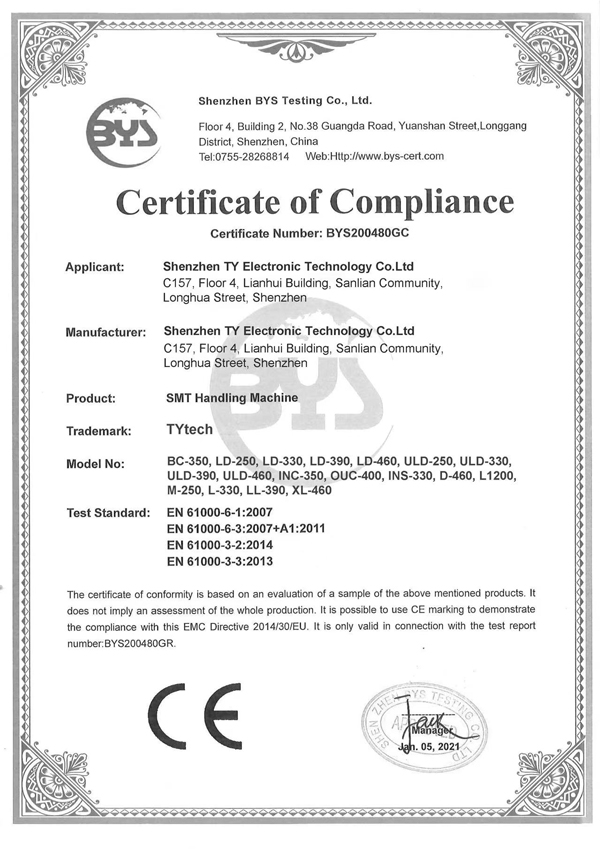
Our surface mount machine parts and mechanical modules adhere rigorously to global electronics manufacturing tolerances, CE regulations, and ISO quality management systems.