Leave Your Message
Understanding the challenges of high-density interconnects, miniaturized modules, and high-frequency components in the Internet of Things era.
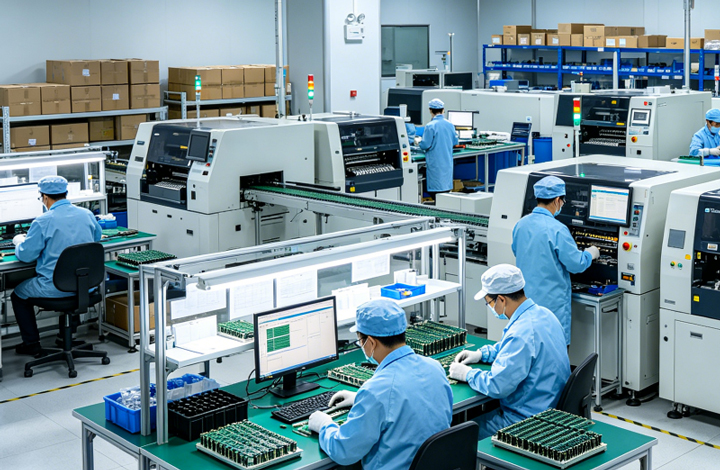
The explosive growth of the Internet of Things (IoT) has fundamentally transformed the electronics manufacturing landscape. From smart home sensors and wearable health trackers to complex industrial IoT (IIoT) edge gateways, modern smart devices require highly integrated, compact, and energy-efficient Printed Circuit Boards (PCBs). These boards are characterized by high-density interconnects (HDI), ultra-fine pitch components, multi-layered stackups, and delicate radio frequency (RF) circuits. For an SMT (Surface Mount Technology) Process Engineer, managing the production line for these devices is a tightrope walk between microscopic precision and high-throughput efficiency.
IoT PCBs commonly leverage micro-passives such as 0201 and 01005 components, alongside complex System-in-Package (SiP) modules and Ball Grid Arrays (BGAs). Placement accuracy is paramount; even a minor deviation of a few microns can lead to bridging, tombstoning, or incomplete solder joints, rendering the entire smart device useless. The SMT Process Engineer is responsible for designing, optimizing, and maintaining the chemical, thermal, and mechanical processes that ensure high-yield assembly. When a line stops due to a component feeder jam, a vacuum pressure drop, or a pneumatic valve failure, the engineer must step in immediately to diagnose and repair the system.
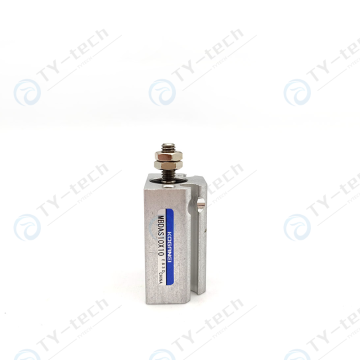
Industry Insight: The cost of SMT line downtime in high-volume IoT manufacturing can exceed thousands of dollars per minute. Quick access to high-quality replacement parts like precision solenoid valves, cylinders, and calibrated electric feeders is the difference between a minor disruption and a catastrophic delivery delay.
Emergency maintenance in an IoT PCB assembly line presents unique challenges compared to standard consumer electronics. IoT devices are highly sensitive to electromagnetic interference (EMI) and require precise RF shielding. During emergency line stops, the SMT Process Engineer must rapidly resolve mechanical failures without compromising the delicate parameter calibrations of the pick-and-place machines. Key pain points include:
Offering professional SMT factory building advice and service

When an emergency stop occurs, the SMT Process Engineer follows a structured diagnostic protocol. The focus is on identifying whether the failure is electrical, pneumatic, software-based, or purely mechanical. Let's analyze the critical components that are most frequently involved in line-down situations on IoT PCB lines:
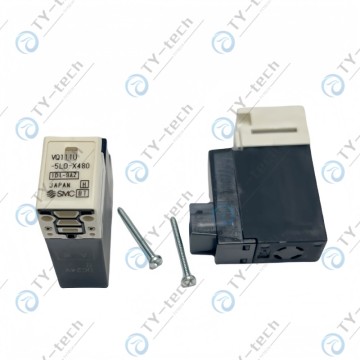
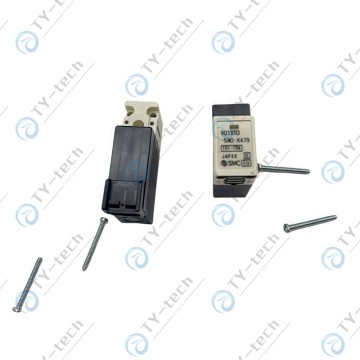
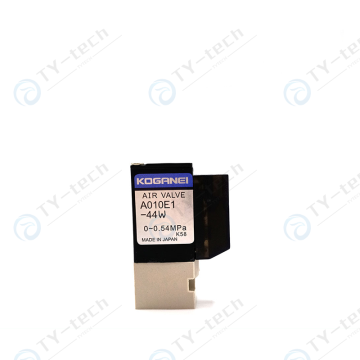
1. Solenoid Valves (Vacuum and Blow Control): Panasonic and Yamaha pick-and-place heads move at breakneck speeds, picking up components and placing them within milliseconds. The switching of vacuum (to hold the chip) and positive pressure (to release or blow the chip onto the solder paste) is regulated by micro-solenoid valves. For instance, the Panasonic Solenoid Valve N510054844AA X480 controls nozzle vacuum blow. If this valve becomes clogged with solder paste dust or suffers electrical coil burnout, the nozzle will fail to release the component, causing placement errors or throwing components into the reject bin. Engineers must keep pre-tested, high-quality solenoid valves in their emergency maintenance kits to facilitate swap-and-go repairs.
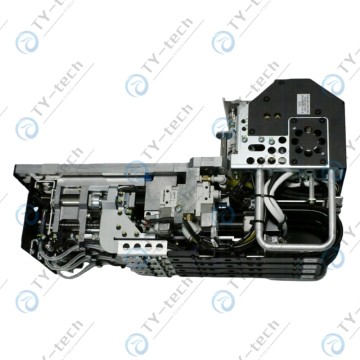
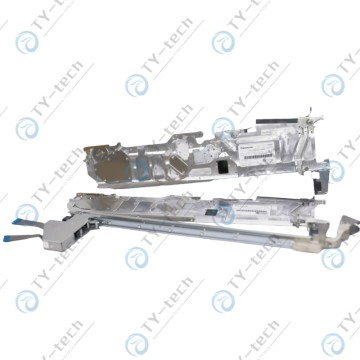
2. High-Speed Electric Feeders: Modern IoT lines cannot afford the vibration and mechanical wear of traditional pneumatic feeders. Electric feeders, such as the Panasonic N610156995AA 8mm Feeder, use micro-stepper motors to advance the carrier tape with micrometer-level precision. When the engineer notices a high rate of pick failures on a specific slot, the feeder is the first suspect. Emergency maintenance involves checking the tape advance guide, cleaning the pick window, or replacing the feeder unit entirely to calibrate it offline while a spare unit keeps the line running.
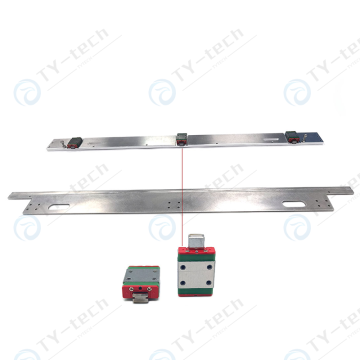
3. Board Clamp and Positioning Systems: During the placement phase, the PCB must remain absolutely static. Clamp edges, such as the Upper & Lower Clamp Edge for Yamaha YV100X XG, secure the PCB edge-to-edge. If these clamps are worn, warped, or improperly adjusted, the board will flex or vibrate when the placement head applies downward force. This is especially critical for thin, flexible IoT boards (like those in smartwatches). A process engineer must regularly inspect the mechanical alignment of these clamps to prevent micro-cracks in multi-layer PCBs during component impact.
Key Maintenance Standard: Implementing a preventive maintenance (PM) schedule for pneumatic cylinders and solenoid valves reduces emergency line stops by up to 45%. However, when unforeseen failures occur, having OEM-compatible, certified replacement parts is crucial to restoring OEE (Overall Equipment Effectiveness).
The manufacturing industry is transitioning from reactive emergency maintenance to predictive, AI-driven maintenance. In an ironic twist, IoT technology is being used to monitor the very machines that assemble IoT PCBs. By embedding vibration, temperature, and acoustic sensors onto pick-and-place heads, SMT Process Engineers can monitor the health of components in real-time. For example, anomaly detection algorithms can identify a failing solenoid valve before it completely stops working by analyzing minor changes in vacuum response time.
Furthermore, cloud-connected SMT lines allow engineers to monitor machine parameters remotely. If a Yamaha YS24 mounter experiences a positioning error, the system can automatically flag the cylinder or positioning baffle, prompting the engineer to prepare the correct replacement part (such as the Yamaha KHE-M653A-00 Cylinder) before even opening the machine enclosure. This integration of AI and real-time diagnostics is shaping the next generation of SMT process optimization, ensuring that smart device manufacturing remains fast, cost-effective, and highly reliable.
Driving innovation and industry standards in SMT factory solutions worldwide.
TY-tech's continued investment in research and development and great contribution has been unanimously recognized in the field. By the end of 2000, TY-tech has declared more than 30 patents and software copyrights (including four invention patents), and actively involved in a number of national and industry standards. TY-tech provides more advanced products and fast technical support for global customers, at home and abroad.
We pride ourselves on a customer-oriented business philosophy. Our professional support team works closely with clients from initial inquiry to after-sales service, providing tailored solutions, flexible OEM/ODM services, and efficient logistics coordination. We understand the diverse needs of different markets and are committed to building long-term, collaborative relationships with distributors, retailers, and brands worldwide.
Sustainability, Quality, and Social Responsibility