Leave Your Message
In the modern automotive industry, electronics have transitioned from auxiliary convenience systems to the core of vehicle operations, safety, and propulsion. With the rapid expansion of Electric Vehicles (EVs), Autonomous Driving (ADAS), and connected vehicle architectures, the demand for zero-defect electronic manufacturing has never been higher. SMT (Surface Mount Technology) pick and place machines and high-performance solder reflow machines form the vital backbone of this high-reliability manufacturing pipeline.
Unlike consumer electronics, automotive electronic control units (ECUs), sensor modules, and power converters must withstand extreme environmental stress. They operate under severe thermal cycling, continuous mechanical vibration, high humidity, and high electrical current loads. Therefore, a solder joint in an automotive assembly is not just an electrical connection; it is a critical structural bond. The reflow soldering process represents the definitive step where mechanical and electrical integrity is established, directly determining the long-term reliability and safety of the vehicle.
Achieving the stringent requirements of IPC-A-610 Class 3 (Automotive and Aerospace standard) demands exceptional control over the reflow thermal profile. Modern solder reflow machines designed for automotive electronics utilize multi-zone heating structures (typically 10 to 12 zones) to establish highly stable preheating, soaking, and peak reflow phases. Precise control prevents common reflow defects such as tombstoning of sub-millimeter passive components (like 01005 chips) and thermal damage to sensitive silicon chips.
Furthermore, the automotive sector has widely adopted vacuum reflow technology. Vacuum chambers integrated within the reflow oven extract trapped gases from the molten solder paste, reducing solder joint voiding to less than 5%, and in some cases, less than 1%. Minimizing voiding is especially crucial for high-power semiconductor modules, such as IGBTs and MOSFETs used in EV traction inverters, where voids would otherwise act as thermal barriers, leading to localized overheating and catastrophic device failure.
Soldering under a high-purity Nitrogen blanket reduces oxygen levels to below 100 ppm, preventing copper oxidation, improving wetting, and ensuring high-quality solder joints with shiny fillets.
Integrated vacuum modules apply negative pressure during the liquidus state of solder, facilitating the release of volatile gases and drastically reducing micro-voids in BGA and QFN packages.
Continuous thermal profiling and sensor feedback record the exact heating curve of every automotive board, linking data to the barcode for absolute tracing and quality compliance.
Offering professional SMT factory building advice and service
TY-Tech is the leading SMT factory solution provider in China, offering professional SMT factory building advice and service. We have 20 years of experience with SMT factories, offering full solutions for global clients with our great advantaged sources. Our core technology team members are well experienced in the SMT field, learning experience from top international chip mounters while increasing independent research and development. Currently, TY-tech equipment is representative of high quality and has maintained absolute leading technology in the industry.
Over the years, the company has been committed to improving technology, quality, and perfect service. TY-tech makes a positive contribution to international standards, with an annual total capacity of 1200 sets, and has passed the ISO9001: 2000, ISO14000, CE, UL, RoHS, and other certifications. Full implementation of the IPD process ensures reliable design and testing throughout the entire product life cycle.


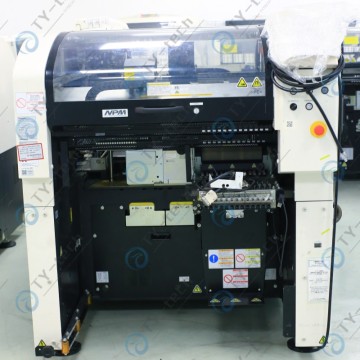
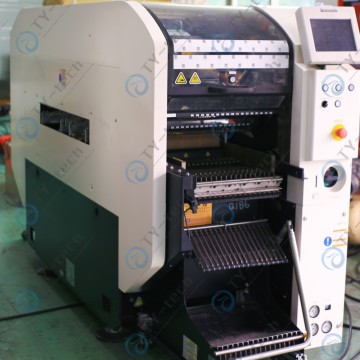
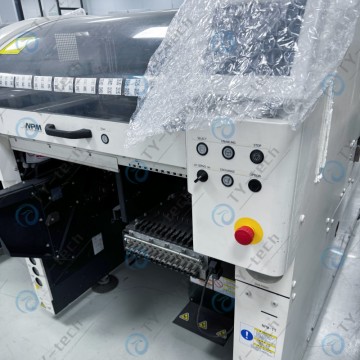
A seamless connection between placement speed and thermal processing capacity is critical in high-volume automotive electronic manufacturing. High-speed placement systems, such as the Panasonic NPM-D3 or NPM-W2, place thousands of components per minute. If the downstream solder reflow machine cannot match this throughput while maintaining strict thermal parameters, it creates a severe manufacturing bottleneck.
To prevent this, modern SMT lines synchronize mounter placement data with reflow oven speeds. Advanced reflow machines communicate with the SMT line controller to adjust conveyor speed and zone temperatures dynamically based on the thermal mass of the incoming PCB panels. This ensures that even during rapid transitions between different product batches (e.g., switching from thin sensor boards to thick, multi-layer power supply boards), the reflow profile remains optimized, preventing cold solder joints or component overheating.
ADAS modules, including radar, lidar, and high-definition camera assemblies, present unique challenges to SMT production. These devices combine delicate optical sensors, high-frequency RF circuitry, and dense BGA microprocessors on compact PCBs. Soldering these complex assemblies requires highly localized thermal control and minimal thermal stress.
The reflow oven must maintain a highly uniform temperature distribution across the entire board (typically within ±1°C). Excessive temperature variations can warp the PCB, misaligning optical sensors or causing micro-cracks in the solder joints of high-density BGA packages. Utilizing advanced hot-air convection reflow machines with independent frequency-controlled blower motors ensures that heat is transferred gently and uniformly, guaranteeing the extreme precision required for safety-critical ADAS components.
TY-tech's continued investment in research and development and its great contribution have been unanimously recognized in the field. By the end of 2000, TY-tech had declared more than 30 patents and software copyrights (including four invention patents) and actively participated in a number of national and industry standards. TY-tech provides more advanced products and fast technical support for global customers, both at home and abroad.
We pride ourselves on a customer-oriented business philosophy. Our professional support team works closely with clients from the initial inquiry to after-sales service, providing tailored solutions, flexible OEM/ODM services, and efficient logistics coordination. We understand the diverse needs of different markets and are committed to building long-term, collaborative relationships with distributors, retailers, and brands worldwide.
The global shift toward lead-free manufacturing (RoHS compliance) has significantly altered the thermal dynamics of reflow soldering. Lead-free solder alloys (such as SAC305) require higher peak reflow temperatures (typically 240°C to 250°C) compared to traditional tin-lead solders (210°C to 220°C). This higher processing temperature narrows the process window, as the difference between the melting point of the solder and the maximum temperature limit of sensitive electronic components is greatly reduced.
To operate safely within this narrow window, solder reflow machines must offer rapid thermal response times and precise heat transfer control. Automotive-grade reflow ovens employ high-efficiency heating elements and advanced cooling zones (often utilizing chilled water cooling) to quickly bring the board temperature down after reflow. This rapid cooling refines the grain structure of the solder joint, enhancing its mechanical strength and resistance to thermal fatigue over the vehicle's operating life.
As SMT production moves toward full digitalization, solder reflow machines are becoming increasingly intelligent. The integration of Artificial Intelligence (AI) and machine learning allows reflow ovens to self-optimize their thermal profiles. By analyzing real-time data from optical inspection (AOI) systems and thermal sensors, the oven can automatically adjust zone temperatures to correct profile drifts before defects occur.
This closed-loop system is essential for the realization of smart factories in the automotive sector. Connecting the reflow machine's data stream with the pick and place systems, stencil printers, and testing equipment creates a unified, self-correcting production ecosystem. This minimizes downtime, maximizes yield, and ensures that every automotive electronic control unit leaving the factory meets the highest quality and safety standards.
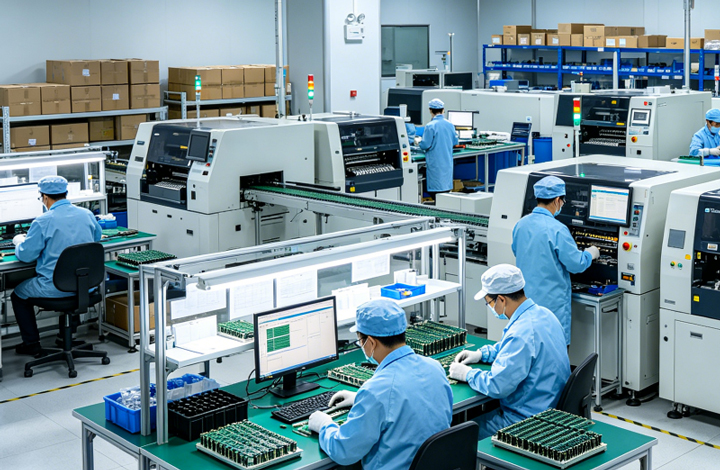

Welcome To Learn About Our Company
Sustainability and social responsibility are integral to our corporate ethos. We prioritize eco-friendly materials and energy-efficient designs, aiming to minimize environmental impact throughout our product lifecycle. Our operations comply with all relevant environmental and ethical regulations, reflecting our dedication to responsible business practices.