- Home
- Products
- About Us
- Application
- FAQ
- News
- Contact Us
Leave Your Message
Deploy certified feeder mechanisms and ultra-precision nozzle heads for immediate IoT line restoration and odd-form stabilization.
Navigating the high-stakes manufacturing environment where every minute of surface mount line stoppage impacts time-to-market and yields.
The manufacturing landscape for Internet of Things (IoT) edge devices, wearable monitors, industrial telemetry units, and smart home gateways has placed severe engineering constraints onto surface mount technology (SMT) infrastructure. Modern IoT printed circuit board assemblies (PCBAs) feature dense component clustering, high-frequency RF modules, ultra-fine-pitch BGAs (Ball Grid Arrays), wafer-level chip scale packages (WLCSP), and microscopic passives ranging down to 01005 and 008004 form factors.
In this high-density layout paradigm, surface mount placement machines operate at tolerances measured in single-digit microns. Even marginal mechanical fatigue, kinematic deviations in beam drive servomotors, or micro-abrasions in vacuum pick-up channels can initiate compounding placement errors, leading to severe solder bridging, tombstoning, and non-wetting opens.
Unplanned downtime on an automated IoT Surface Mount Placement Line incurs devastating consequences. Industrial studies indicate that line stoppages in high-mix, high-yield IoT production can average costs exceeding $3,500 to $12,000 per hour in idle labor, scrapped substrates, and deferred deliveries. When dealing with specialized IoT silicon—such as scarce microcontrollers or calibrated MEMS sensor arrays—component damage caused by an uncalibrated placement head during an unplanned operational disruption exacerbates supply chain strain.
Consequently, establishing an emergency maintenance framework based on modular component swaps, precision head replacement kits, calibrated motors, and predictive diagnostic systems is no longer an operational luxury—it is an economic imperative.
IoT devices incorporate micro-RF chips where placement force must be strictly controlled within 0.1N to prevent micro-cracking of bare dies during high-speed vacuum descent.
Instantaneous line recovery relies on synchronized optical alignment systems that isolate dirty prisms, laser positioning drift, and fiduciary recognition timeouts.
Mitigating critical downtime requires plug-and-play mechanical head modules (such as 16-nozzle or 12-nozzle arrays) tested and ready for immediate deployment.
Addressing the root causes of breakdown across vacuum systems, mechanical gantry axes, and feeder synchronization.
During the mass production of high-density IoT sensory nodes, the most frequent emergency intervention involves continuous component drops (pickup errors) at the high-speed work head. Over extended operation, internal vacuum solenoid valves and nozzle shafts accumulate flux particulate residues and micro-debris.
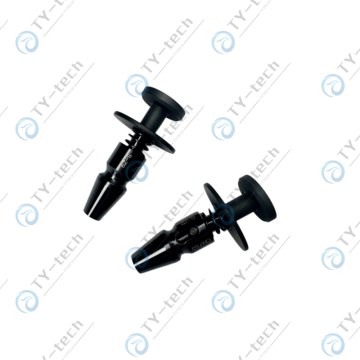
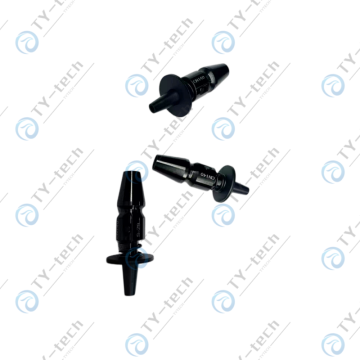
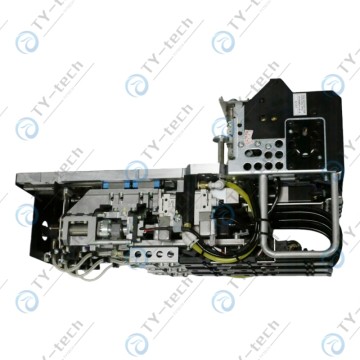
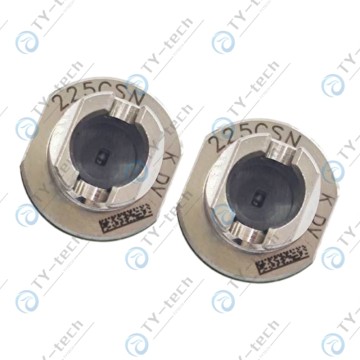
When pickup error rates breach the 0.02% threshold, the automated pick-and-place gantry ceases line execution. Emergency remediation calls for an immediate swap of the entire modular rotary work head—such as shifting from an impaired high-speed unit to a calibrated 16-nozzle or 12-nozzle assembly—alongside the rapid replacement of high-tolerance nozzles like the Hanwha CN140 or CN750 series. This approach isolates individual nozzle maintenance to offline cleaning stations, allowing line operations to recover within 15 minutes.
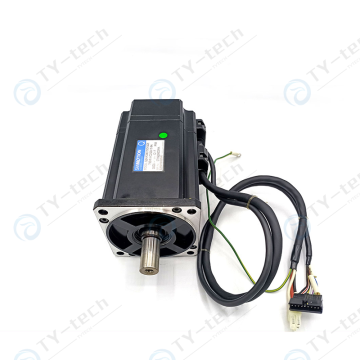
Advanced SMT lines operating continuous shifts experience severe thermal stresses along the X and Y axes. High-speed gantries transporting placement heads back and forth across wide-board IoT motherboards rely on precision servomotors, such as 750W heavy-beam drive motors. Thermal breakdown or encoder degradation within the drive motor results in subtle kinematic jerk, manifesting as component shifting right before the component touches down on the solder paste.
In an emergency maintenance cycle, technicians execute rapid diagnostics to distinguish between ball-screw backlash and internal motor encoder faults. Utilizing pre-commissioned, OEM-grade drive motors guarantees that torque ripples are kept below 1%, restoring multi-axis high-speed interpolation without requiring structural gantry realignment.
IoT edge controllers demand hundreds of decoupling capacitors and pull-up resistors packed tightly around the main MCU. Electronic intelligent tape feeders, particularly 8mm motorized configurations, are subjected to millions of advance cycles. Gear wear, sprocket alignment shift, or peeling tape friction spikes induce mis-pick angles.
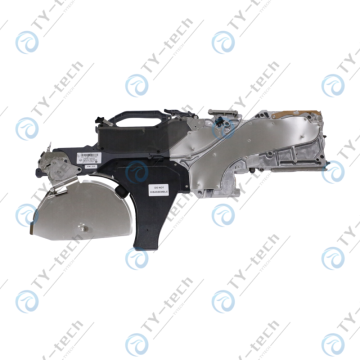
Emergency response procedures necessitate the immediate hot-swap of defective feeders with calibrated high-precision electric feeders (such as the Hanwha SME 8mm PI-08N). Smart feeder databases dynamically synchronize feeder serials to feeder slots, eliminating the need to re-program board recipes or re-teach component pick offsets.
Unlike standard computing hardware, IoT devices regularly incorporate specialized RF shielding cans, spring-loaded battery contacts, and ultra-miniature push-push SIM/microSD slots. Placing these awkward, heavy components requires multi-functional heads equipped with large-vacuum nozzles.
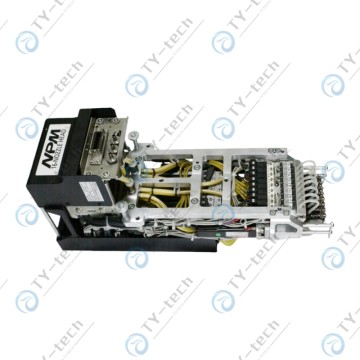
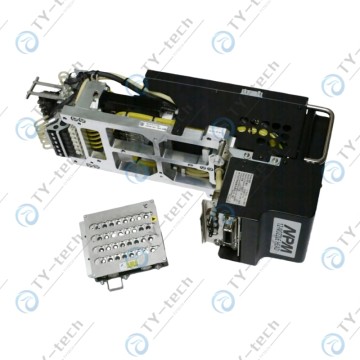
When placement pressure transducers register over-travel, or vision cameras fail to recognize irregular outer contours, lines pause instantly. Implementing a modular 3-nozzle odd-form head (such as the Panasonic V2 3-nozzle precision module) allows for precise theta-angle rotation control and custom vision illumination, preventing pin bending on vital interface components.
How intelligent manufacturing ecosystems are rewriting the parameters of surface mount machinery servicing.
The latest iteration of surface mount machines integrates native IoT sensors within the machine itself. Micro-electromechanical sensors (MEMS) embedded in placement heads measure vibration anomalies, ambient thermal expansion, and vacuum pressure drop-off in real time. Rather than waiting for a catastrophic misplacement event to shut down the line, these edge monitors run continuous fast-Fourier transform (FFT) algorithms to flag early bearing degradation in spindle shafts, scheduling preventive head swaps during planned roll changes.
Solder Paste Inspection (SPI) and Automated Optical Inspection (AOI) units are no longer isolated checkpoints. Through CFX/Hermes standards, inspection engines feed real-time dimensional offsets back to the placement head. If a specific nozzle begins exhibiting placement drift toward the top-right quadrant on an IoT micro-BGA footprint, the pick-and-place machine dynamically recalibrates its placement coordinate offset automatically, preventing emergency downtime entirely.
Global supply chain volatility has spurred smart factories to connect their computerized maintenance management systems (CMMS) directly to spare parts providers. Once an active gantry motor or nozzle head shows wear telemetry, the system validates local warehouse inventories or triggers replenishment orders for certified sub-assemblies, making sure technicians have exact drop-in replacements ready before catastrophic hardware failure strikes.
Augmented Reality (AR) headsets and dynamic visual overlays are rapidly entering the emergency SMT maintenance arena. When a machine alerts to an axis failure or pneumatic blockage, field engineers receive step-by-step 3D visual overlays mapping exact screw torque ratings, cable trace paths, and nozzle maintenance instructions directly over the physical chassis, decreasing Mean Time to Repair (MTTR) by up to 45%.
Discover our state-of-the-art testing lines, precision refurbishment cleanrooms, and engineering testing labs supporting mission-critical SMT hardware worldwide.

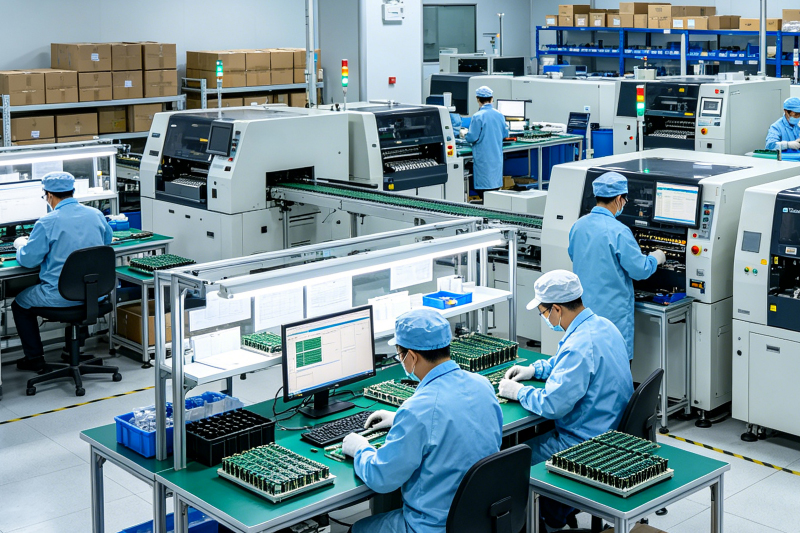
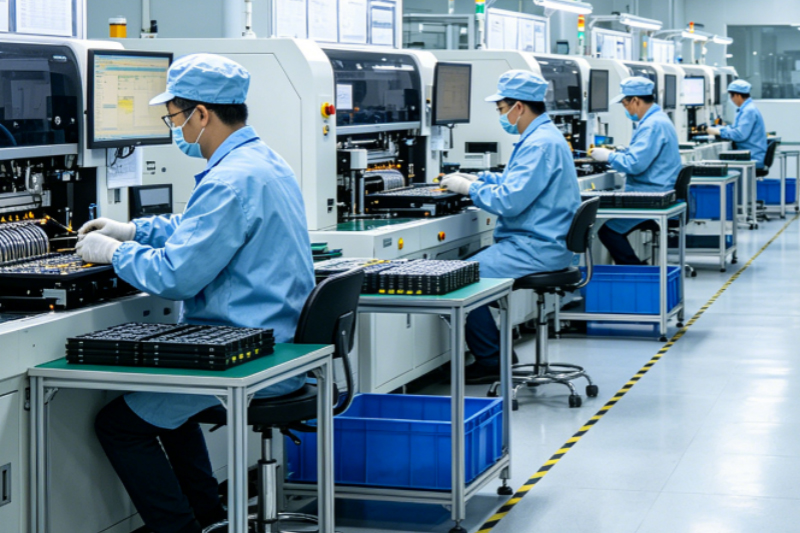
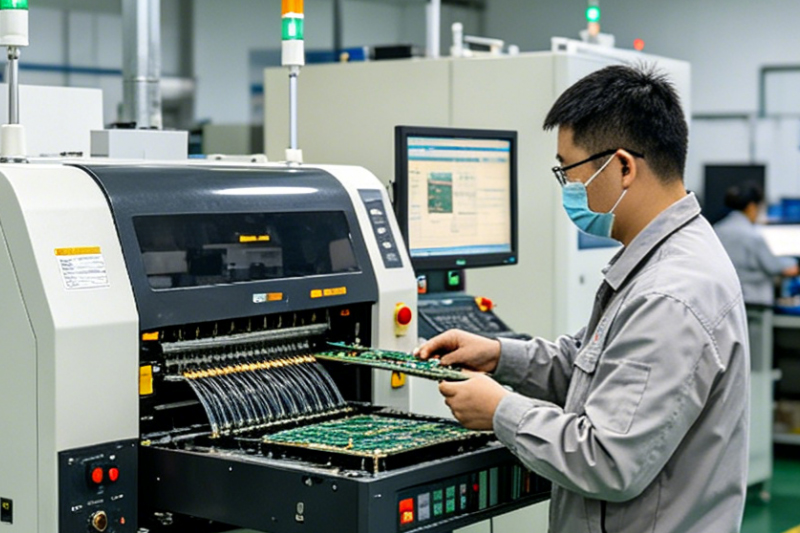
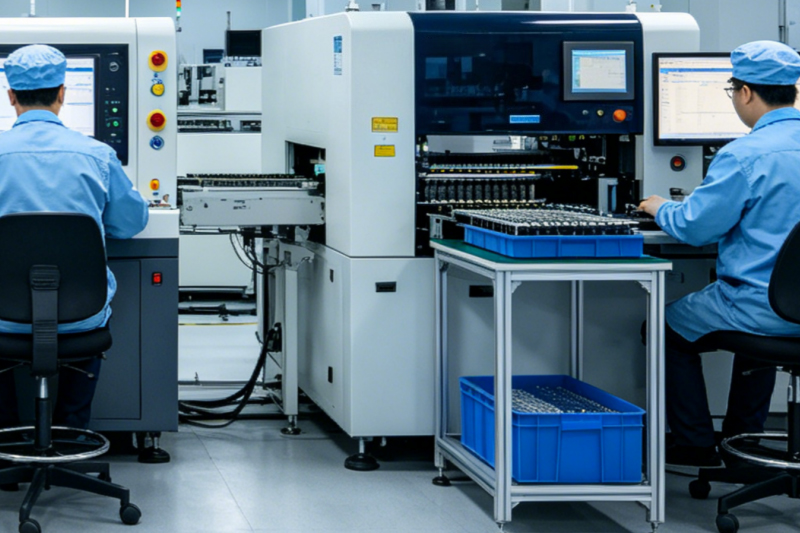
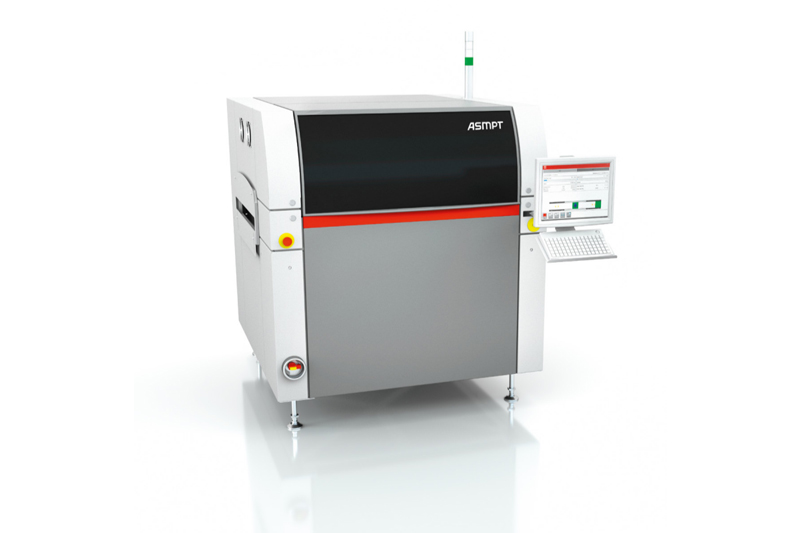
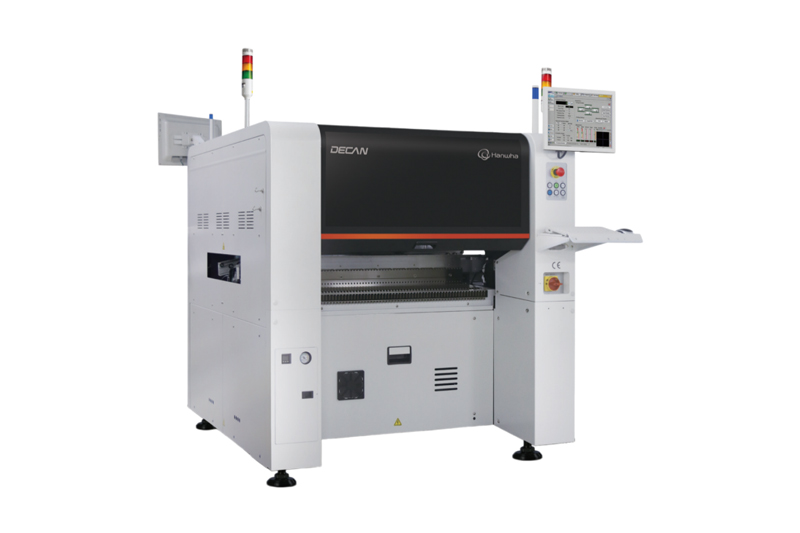
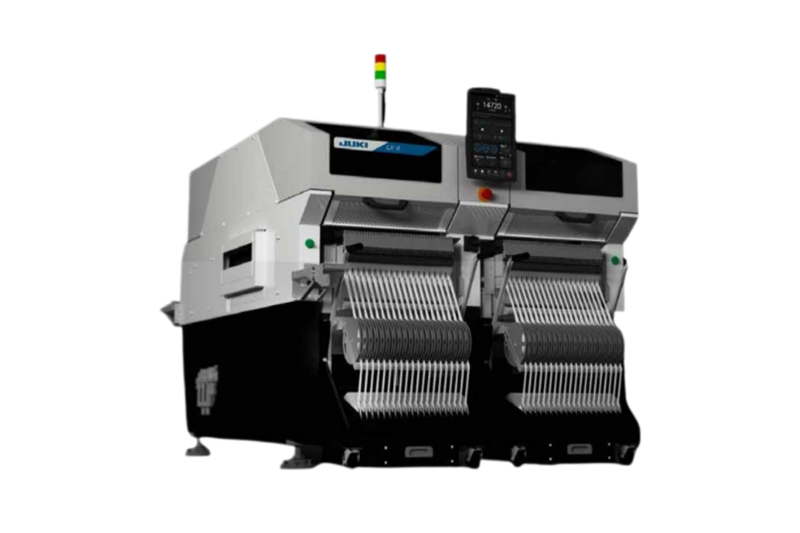
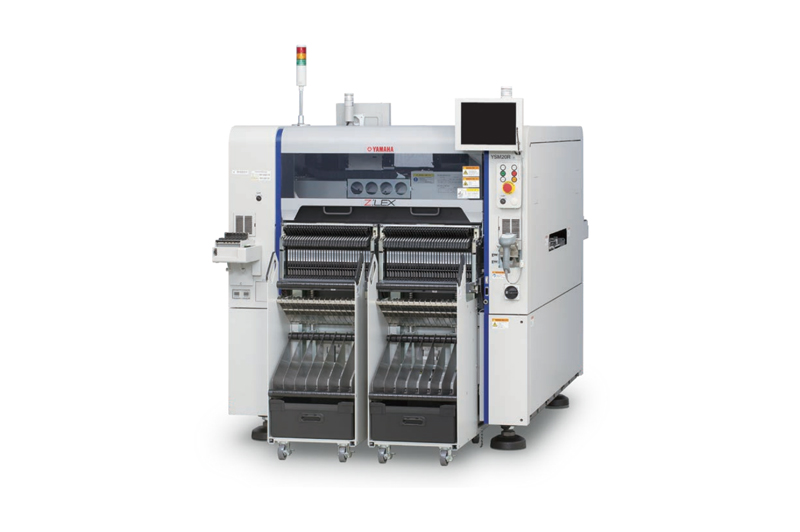
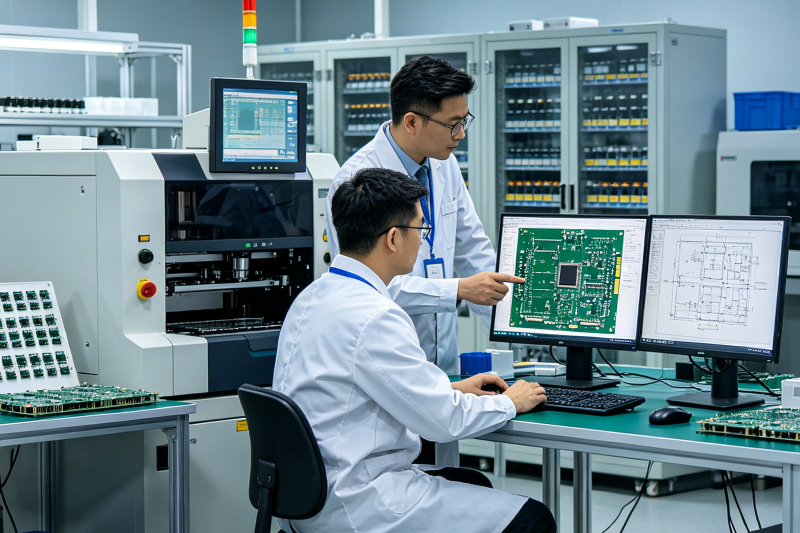

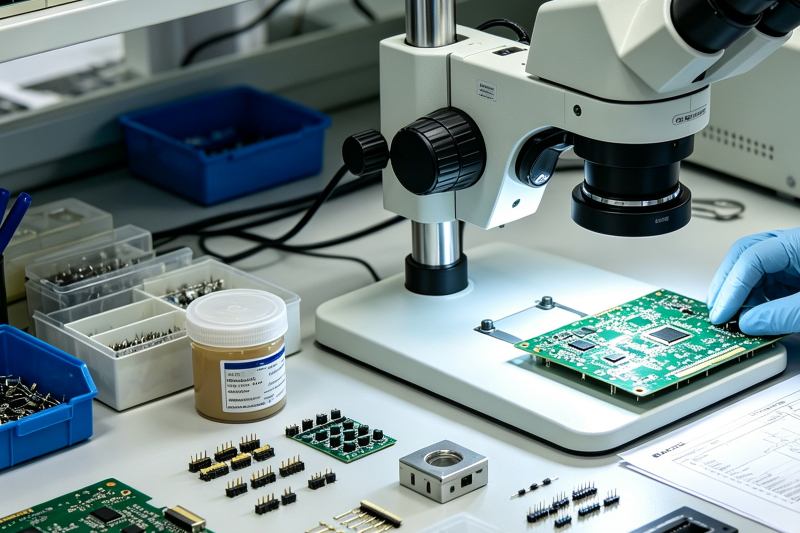
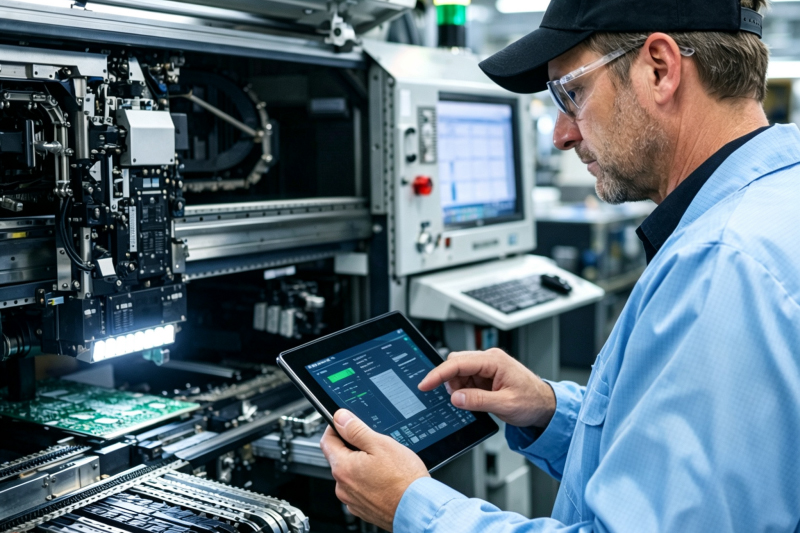

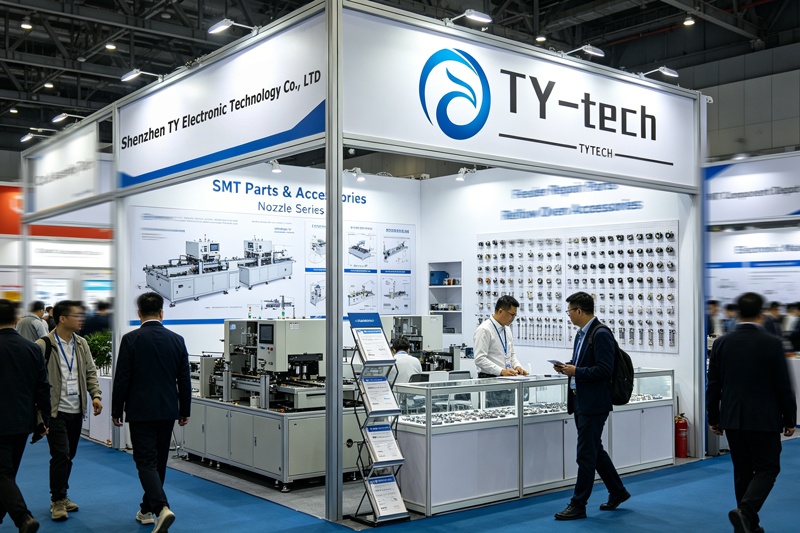
Rigorous manufacturing standards, ISO adherence, and verified precision criteria backing all emergency replacement modules.



Full catalogue of OEM-compatible nozzles, high-torque gantry servo drives, feeders, and high-capacity rotary placement heads for swift emergency recovery.