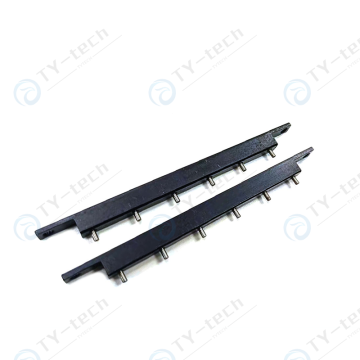
Leave Your Message
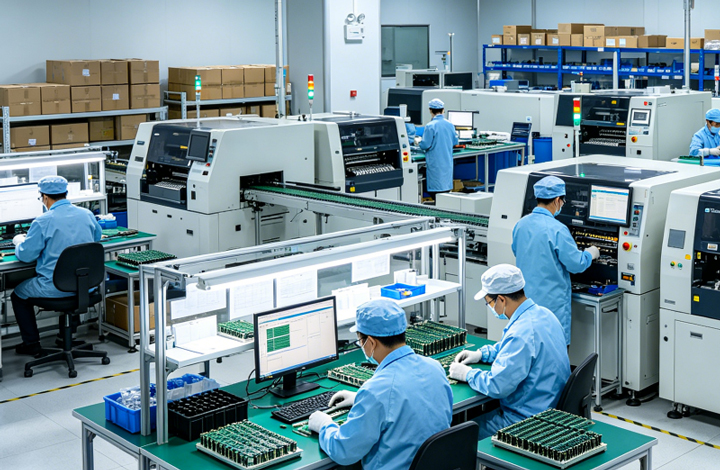
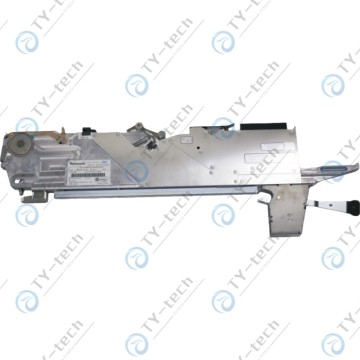
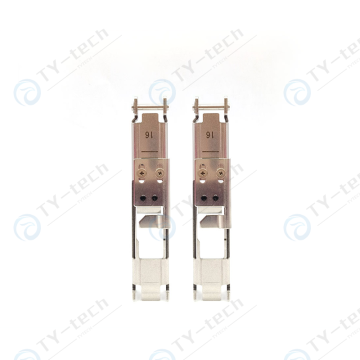
The Surface Mount Technology (SMT) landscape has undergone a monumental shift toward high-density, ultra-miniaturized electronic components. To keep pace with these demands, modern assembly lines rely heavily on the accuracy and speed of motorized component delivery systems. Among these, the Yamaha Electric Feeder stands out as a benchmark of engineering excellence. Used extensively in Yamaha YS and YSM series pick-and-place machines, these intelligent feeders have largely replaced traditional pneumatic models.
Unlike pneumatic systems that rely on pressurized air lines—which can lead to inconsistent feed pitches, vibration, and mechanical wear—Yamaha's motorized electric feeders utilize precise servo or stepper motors. This ensures continuous, vibration-free tape advancing, minimizing component displacement before pick-up. In high-speed environments, where machines place tens of thousands of components per hour (CPH), the consistency of the feeder directly dictates the overall line yield and First Pass Yield (FPY).
By transitioning from pneumatic actuation to electrical drive systems, manufacturers achieve up to a 50% reduction in component mispicks. This evolution is crucial for handling micro-passives like 0201 and 01005 chips, where even a microscopic shift in component positioning can cause immediate machine errors or defective solder joints.
Despite their robust design, Yamaha Electric Feeders operate in high-stress, repetitive environments. Over millions of cycles, mechanical friction, dust, and adhesive residue from carrier tapes lead to inevitable wear. Understanding the root causes of wear in SMT machine spare parts is the first step toward preventing catastrophic line downtime.
Several areas are particularly vulnerable to degradation:
To mitigate wear, a structured preventive maintenance (PM) schedule is vital. Central to this process is the application of specialized lubricants. Standard industrial oils are unsuitable for the cleanroom-like environments of SMT assembly, as they attract dust and can contaminate components.
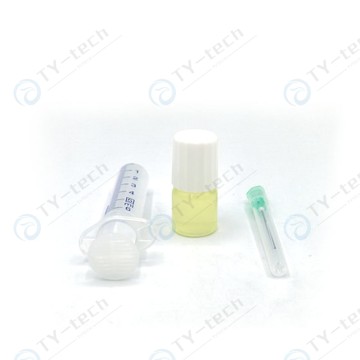
Using a specialized lubricant, such as the Syringe Special Lubricant Oil KV8-M8870-003, is critical for protecting the feeder needle, small shafts, and sliding guides. This lubricant is formulated to withstand high-speed mechanical shear while resisting evaporation and dust accumulation. Regular application ensures smooth mechanical motion, drastically reduces friction-induced heat, and extends the operational lifespan of the feeder by up to 300%.
The application of Yamaha Electric Feeders goes far beyond standard consumer electronics. In high-reliability sectors such as automotive electronics, medical device manufacturing, and aerospace systems, SMT lines must operate with zero-defect tolerances.
Automotive PCBs (such as those for ADAS, engine control units, and braking systems) utilize heavy copper layers and multi-layer configurations. These boards require ultra-precise placement of critical ICs and passive components. Yamaha Electric Feeders provide the stable, vibration-free feeding necessary to ensure that components are picked and placed without micro-cracks or internal stresses, which could lead to field failures years down the road.
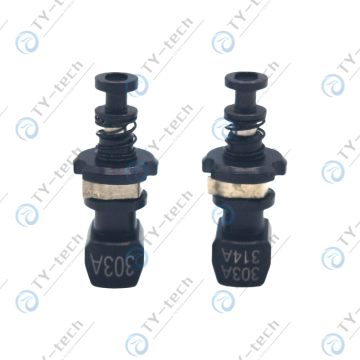
As smartphones and IoT devices shrink, the use of micro-passive components has skyrocketed. Placing these tiny chips requires high-precision nozzles (like the Yamaha Nozzle KHY-M7740-A0 303A 314A) and highly stable feeders. The feeder must index the tape with micron-level repeatability. Any minor deviation in the feed pitch will cause the nozzle to miss the component center, resulting in a dropped component or, worse, a component placed off-center on the solder paste, leading to the "tombstoning" defect during reflow.
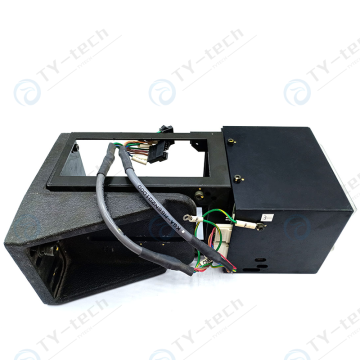
Advanced coordinate alignment is achieved by pairing precise feeding with optical detection. For instance, the Yamaha YV Series Fixed Camera detects PCB fiducials and component alignment dynamically. If a feeder exhibits slight wear, the vision system can compensate for minor offsets in real-time, though replacing worn feeder parts remains necessary to prevent exceeding the machine's correction threshold.
The future of SMT manufacturing lies in the integration of Industry 4.0 and smart factory concepts. Yamaha and leading SMT solution providers are pushing the boundaries of feeder technology in several ways:
When replacing worn feeder parts, sourcing high-quality, reliable spares is paramount. Using substandard third-party parts can lead to premature wear, calibration errors, and even damage to the SMT machine's feeder bank. Working with an experienced partner like TY-Tech ensures that you receive components manufactured to exact OEM tolerances, backed by professional technical support and extensive industry expertise.
Offering professional SMT factory building advice and service
TY-Tech is the leading SMT factory solution provider in China, offering professional SMT factory building advice and service. We have 20 year experience about SMT factories, offering full solutions for global clients with our great advantaged sources. Our core technology team members are well experienced in SMT field, learning experience from top international chip mounters meanwhile increasing independent research and development. Currently TY-tech equipment is representative of high quality, has maintained absolute leading technology in the industry.
Over the years the company has been committed to improving technology, quality and perfect service. TY-tech makes a positive contribution to international standard, the annual total capacity of 1200 sets, passed the ISO9001: 2000, ISO14000, CE, UL, RoHS and other certifications. Full implementation of the IPD process, reliable design and testing throughout the entire product life cycle.


Welcome To Learn About Our Company