Leave Your Message
The global automotive industry is undergoing a monumental paradigm shift. With the rapid electrification of drivetrains, the integration of Advanced Driver Assistance Systems (ADAS), and the evolution of sophisticated infotainment architectures, modern vehicles have essentially transformed into supercomputers on wheels. At the heart of this technological revolution lies the printed circuit board assembly (PCBA). Automotive PCBAs demand an unprecedented level of reliability, durability, and precision. A single component failure on an electronic control unit (ECU) or a braking control module can lead to catastrophic consequences. Consequently, automotive electronics manufacturers enforce strict standards such as IATF 16949, requiring a target of zero defects.
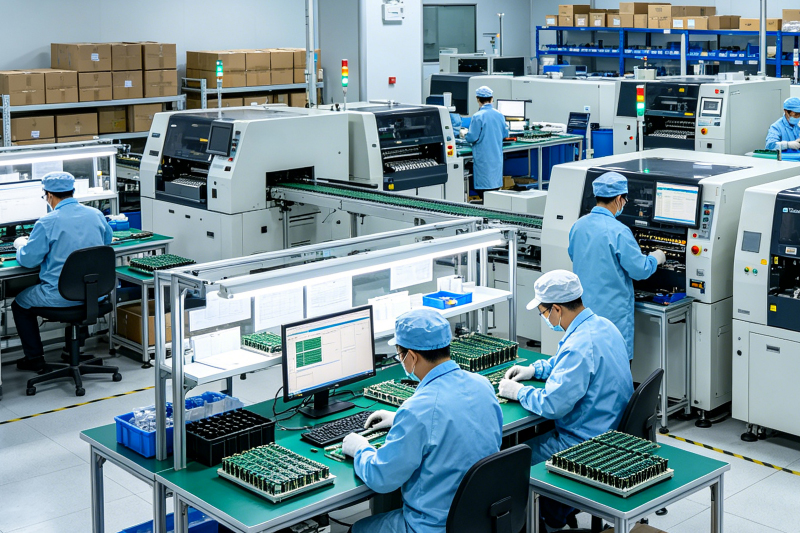
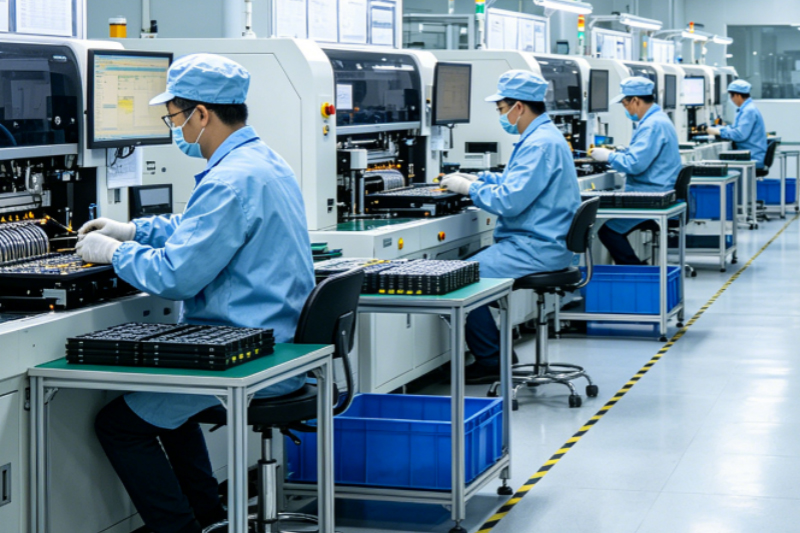
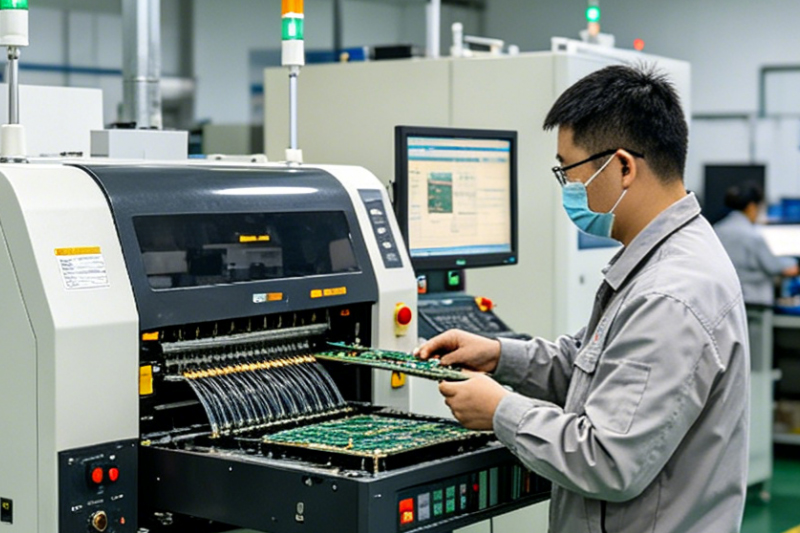
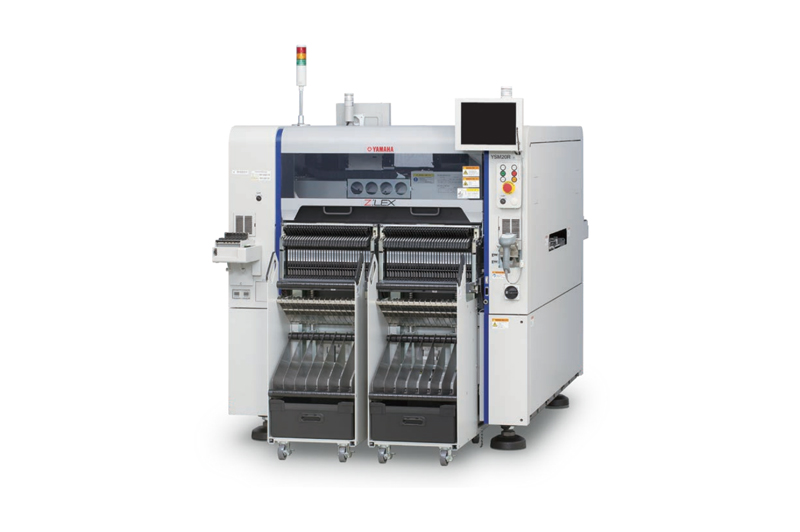
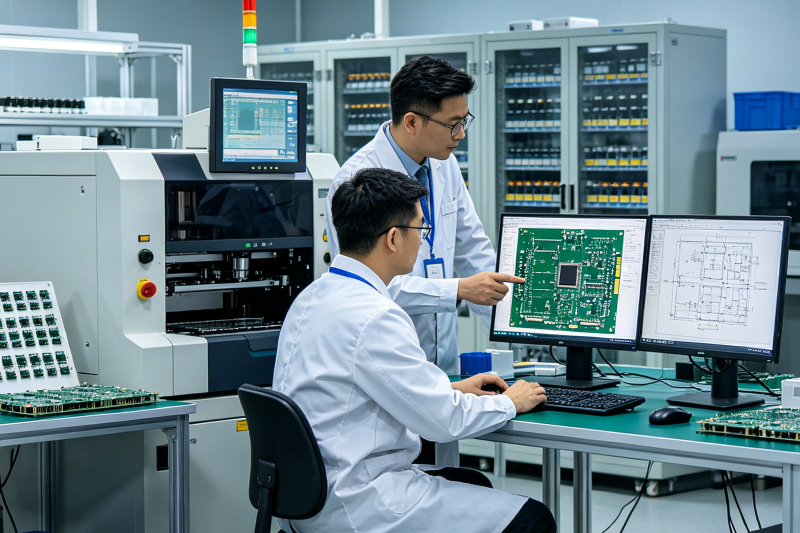
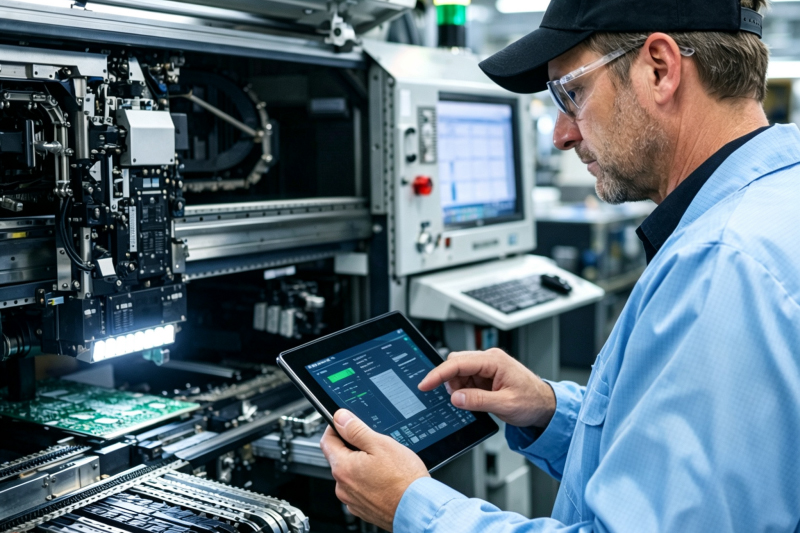
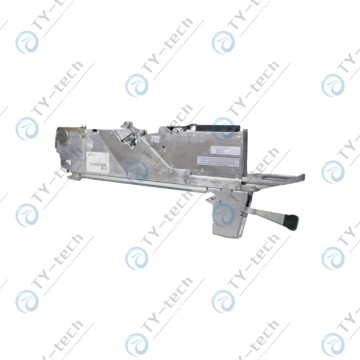
In the Surface Mount Technology (SMT) pick and place process, the component feeding system is the fundamental starting point of assembly quality. If the feeder cannot supply components consistently, accurately, and without damage, the entire pick and place line suffers from high rejection rates, component tombstoning, and costly downtime. Yamaha Feeders, specifically designed to synchronize seamlessly with Yamaha's YS and YSM series mounters, have emerged as the industry gold standard for automotive SMT lines. By utilizing advanced motorized drive systems, intelligent communication interfaces, and robust mechanical structures, Yamaha feeders ensure that even the smallest passive components (down to 0201 and 01005 metrics) are fed with microscopic precision.
Industry Insight: The transition from pneumatic feeders to motorized electric feeders has improved pick-and-place pickup success rates by over 35% in automotive SMT production, directly translating to higher OEE (Overall Equipment Effectiveness) and reduced material waste.
The industrial landscape for automotive SMT production is characterized by high product mix, high density, and absolute traceability. Historically, SMT assembly was divided into high-volume consumer lines and high-reliability industrial lines. Today, automotive SMT fuses these two worlds. Manufacturers must assemble millions of boards containing micro-miniaturized sensors, high-power semiconductors (like IGBT and SiC modules), and high-pin-count microprocessors.
To meet these demands, SMT lines are shifting toward intelligent, software-driven ecosystems. The key trends influencing feeding technology include:
ADAS sensor modules, including LiDAR, radar, and camera units, require highly compact layouts to fit into bumpers, mirrors, and windshield mounts. These boards are populated with ultra-dense configurations of 0201 and 01005 capacitors and resistors. Standard feeders struggle to index these tiny pockets without static buildup or vibration, which causes components to flip or jump out.
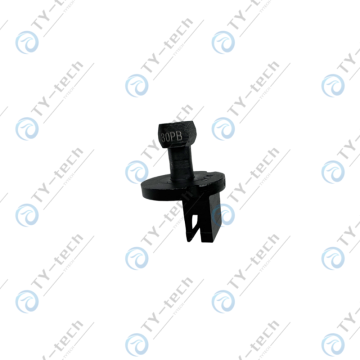
Yamaha's motorized tape feeders solve this by maintaining constant, micro-controlled tension on the cover tape. When paired with high-precision nozzles like the Yamaha SKHN-M77PB-000 30PB Nozzle, which is specifically optimized for small flat SOD chips and low-voltage PCB mounting, the mounter achieves flawless pickup and placement.
Electric vehicles (EVs) rely on high-voltage Battery Management Systems and power inverters to manage energy flow. These boards feature heavy copper layers for thermal dissipation, large power transistors, and bulky connectors alongside delicate control chips.
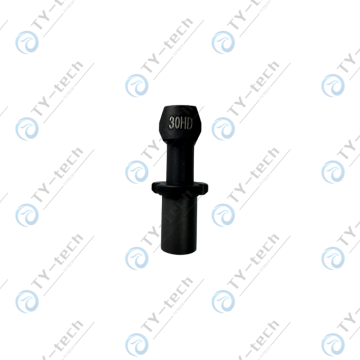
Assembling these mixed-component boards requires feeders that can handle heavy, wide tapes (up to 72mm or more) alongside standard 8mm tape feeders. The feeding motor must deliver high torque to pull heavy plastic carrier tapes smoothly. Additionally, placing these thick components requires robust suction nozzles, such as the Yamaha SKHN-M77HD-000 30HD Nozzle, engineered to handle heavy, thick power components during high-speed PCB mounting.
Modern vehicle cabins feature massive touchscreen displays, 5G connectivity modules, and complex navigation systems. The PCBs for these systems are multi-layered and process high-frequency signals. Any misalignment during SMT placement can cause impedance mismatch or signal degradation.
To guarantee coordinate alignment, the pick and place machine utilizes specialized vision systems. The Yamaha YV Series Fixed Camera plays a critical role here, detecting PCB fiducials to realize precise coordinate alignment in SMT placement, ensuring the components fed by the Yamaha feeders are placed with absolute geometric accuracy.
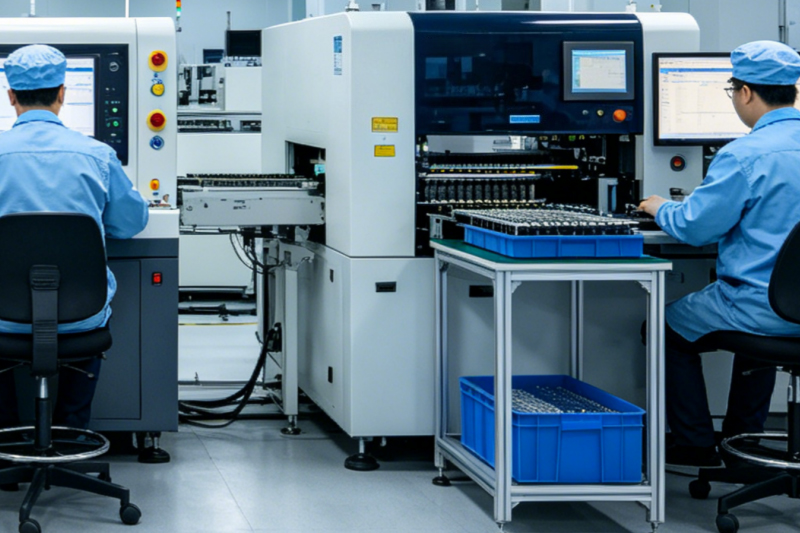
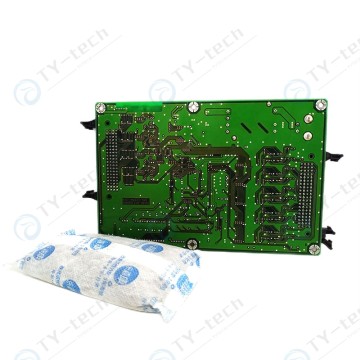
A high-performance Yamaha SMT line is a complex symphony of mechanical, electrical, and optical components working in unison. The feeding unit coordinates directly with the mounter's main logic control. For instance, the Head Signal Control IO Board KGT-M4570-010 manages head signal transmission and motion logic control for Yamaha YG200 and similar platforms, ensuring that the pick head knows exactly when a component is presented by the feeder.
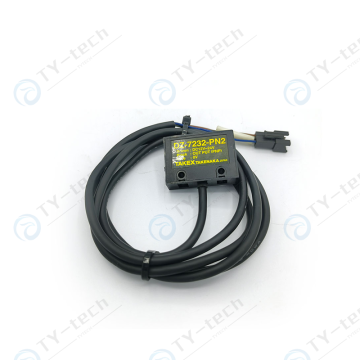
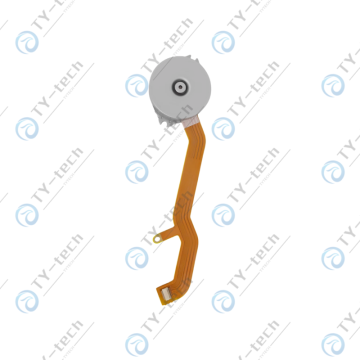
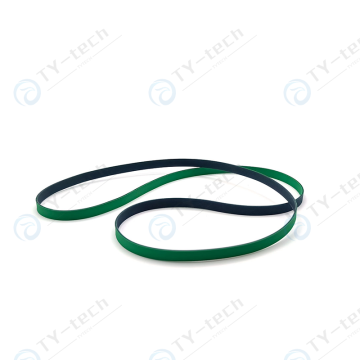
Furthermore, track and board positioning must be flawless. Sensors like the Yamaha KGD-M655F-10X Sensor detect the PCB stop plate position, halting the board at the exact coordinate. Once the board is locked, the mounter's drive motors, powered by precision components like the KLJ-MC110-00 Motor, drive the feeder mechanism to advance the tape. The board is then transported out via stable track systems using high-durability belts like the Yamaha KGT-M913j-00X Belt, ensuring smooth, vibration-free PCB transmission.