- Home
- Products
- About Us
- Application
- FAQ
- News
- Contact Us
Leave Your Message
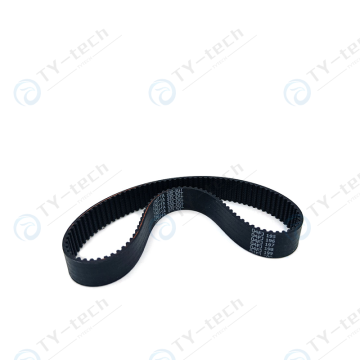
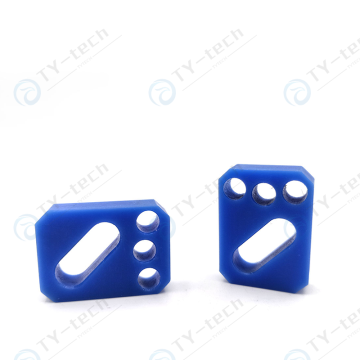
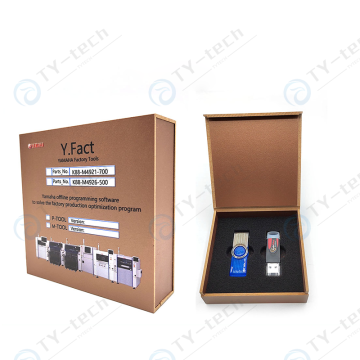
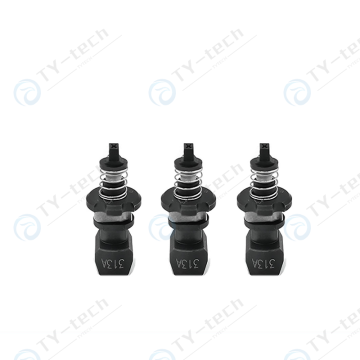
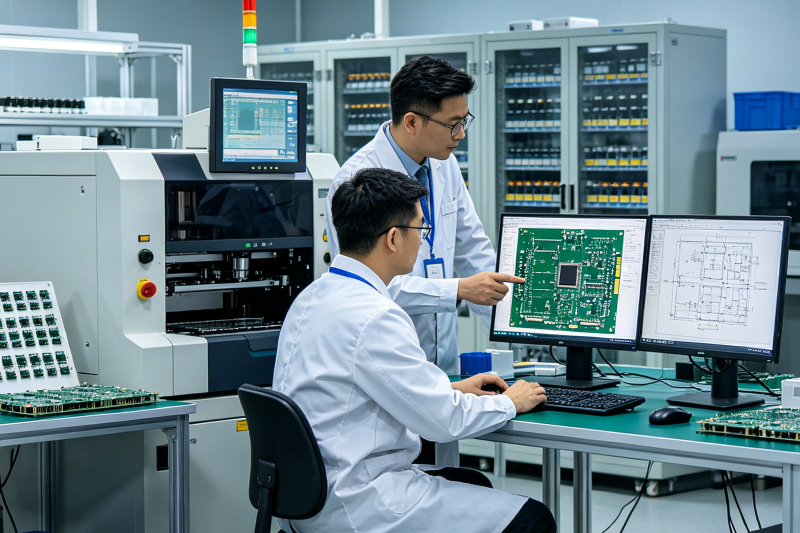
In the realm of modern manufacturing, Industrial Control PCB SMT Surface Mount Assembly represents one of the most demanding and rigorous production sectors. Unlike standard consumer electronics, industrial control boards—which power programmable logic controllers (PLCs), high-voltage power grids, variable frequency drives (VFDs), and precision robotics—must function flawlessly in hostile environments. They are subjected to extreme temperatures, mechanical vibrations, chemical exposure, and continuous 24/7 duty cycles.
At the heart of this manufacturing precision lies the Yamaha Nozzle. Serving as the primary physical interface between the pick-and-place machine and delicate electronic components, these nozzles dictate the speed, accuracy, and overall yield of the SMT assembly line. Whether placing micro-passives or large, high-pin-count integrated circuits, the choice of SMT nozzle directly influences the integrity of the solder joints and the long-term reliability of the industrial control units.
Industrial control systems demand zero-defect manufacturing. Even a microscopic misalignment or a micro-crack caused by improper nozzle suction force can lead to catastrophic system failures in critical infrastructure. Investing in high-grade, durable Yamaha nozzles ensures stable vacuum retention, precise component centering, and minimizes downtime.
To withstand the rapid acceleration and deceleration forces of modern high-speed modular mounters—such as the Yamaha YS, YSM, and YG series—nozzles must be constructed from advanced materials. Every Yamaha Nozzle for Industrial Control PCB SMT Surface Mount Assembly is engineered to meet precise mechanical and electrical specifications:
During the pick-and-place process, the Yamaha nozzle must lift the component from the feeder, carry it past an optical alignment camera, and place it onto the solder paste-printed PCB. Any mechanical play, vacuum leakage, or tip degradation will lead to spatial deviation. For high-density industrial control PCBs, where component spacing is minimal to accommodate heavy-duty copper traces and heat sinks, a placement error of just a few microns can result in short circuits or cold solder joints during reflow.
The industrial electronics sector is undergoing a massive transformation driven by Industry 4.0, the Industrial Internet of Things (IIoT), and smart grid technologies. These trends are directly impacting SMT assembly lines in several ways:
While industrial control boards historically used larger components for robust power handling, modern IIoT sensors and smart edge-computing devices require extremely dense layouts. SMT lines must now place 0201 and even 01005 passive components alongside massive power relays and connectors. This wide component spectrum requires highly versatile Yamaha nozzle configurations and rapid-change nozzle stations capable of switching between micro-tips and heavy-duty vacuum cups seamlessly.
Modern Yamaha mounters utilize smart nozzle management systems that track the lifecycle of each nozzle. By utilizing unique 2D barcodes or RFID tags on the nozzle body, the machine can monitor the number of pick cycles, vacuum efficiency, and cleaning intervals. This shift toward predictive maintenance prevents defects before they occur, drastically reducing scrap rates on expensive, multi-layered industrial control boards.
For SMT assembly plants, maintaining profitability while adhering to strict quality standards is a constant balancing act. High-quality compatible aftermarket Yamaha nozzles have gained significant market share. Manufactured to the exact tolerances of original equipment manufacturers (OEM), these nozzles offer identical performance, durability, and ESD protection at a fraction of the cost, delivering a much higher Return on Investment (ROI) for contract manufacturers (EMS).
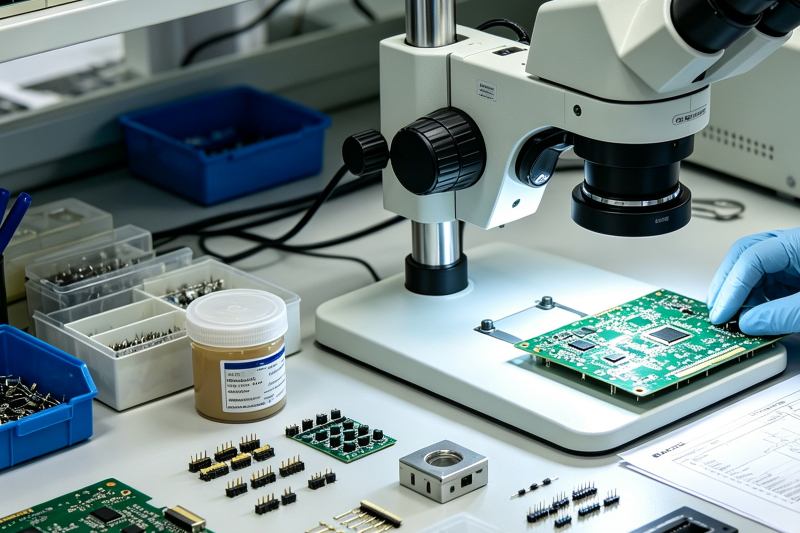
To maximize the lifespan of your Yamaha Nozzle for Industrial Control PCB SMT Surface Mount Assembly and maintain consistent placement yields, a structured maintenance protocol is essential. Below are the industry-standard practices recommended by leading SMT process engineers:
By establishing a proactive maintenance cycle, SMT assembly plants can extend nozzle life by up to 50% and significantly reduce "component drop" rates, which are not only costly in terms of component loss but also lead to frequent, disruptive line stoppages.



Explore our comprehensive range of high-precision Yamaha-compatible SMT nozzles, feeders, software, and mechanical assemblies designed to elevate your industrial control PCB production line.