Leave Your Message
Essential SMT components configured for rapid production line deployment and immediate capacity enhancement.
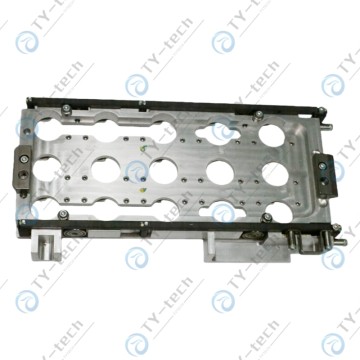
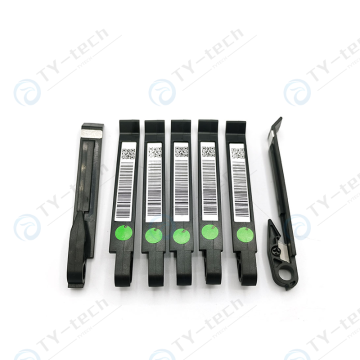
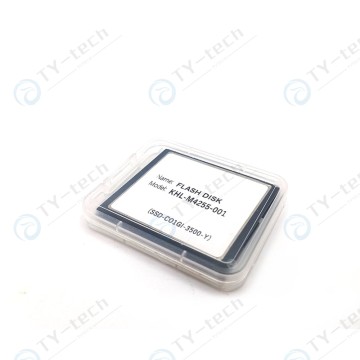
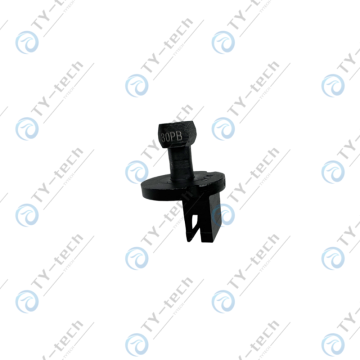
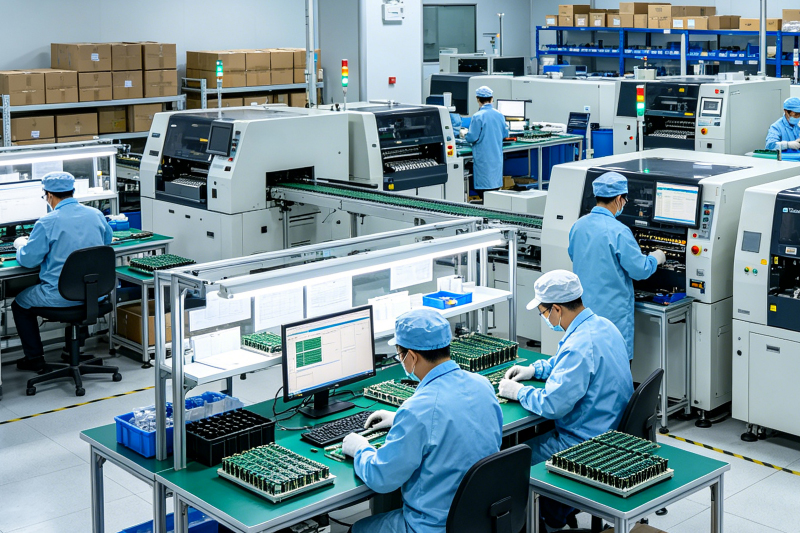
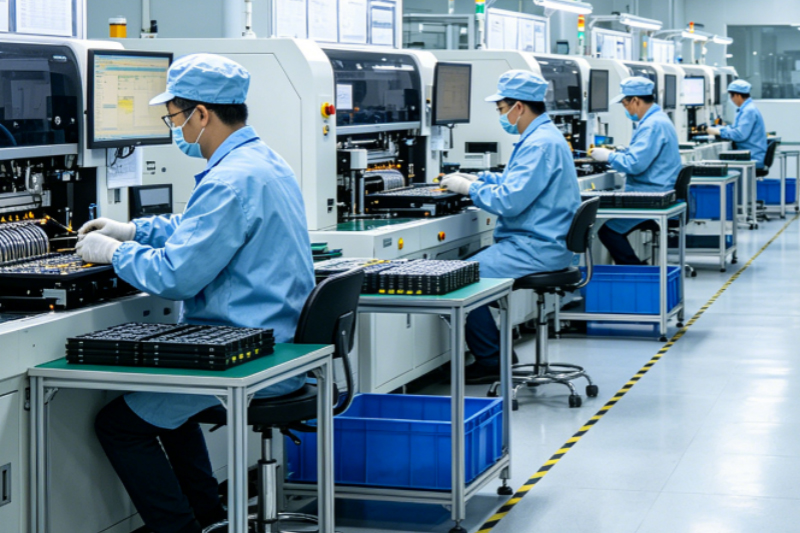
In the highly competitive landscape of modern electronics manufacturing services (EMS), the demand for high-density, multi-layered, and ultra-miniaturized printed circuit boards (PCBs) is skyrocketing. As technologies like 5G communication, IoT smart devices, automotive electronics, and AI-driven hardware continue to mature, manufacturers face the constant challenge of scaling production outputs. The critical decision-maker in this equation is often not the physical expansion of factory floor space, but the optimization and capacity upgrading of existing Surface Mount Technology (SMT) lines. At the heart of this operational evolution lies the mounter nozzle—specifically, high-precision Yamaha Nozzles engineered for the YS and YSM series pick-and-place machines.
Expanding an SMT production line requires a delicate balance between capital expenditure (CAPEX) and operational efficiency (OPEX). Purchasing entire new mounter lines involves significant investment, extensive lead times, and structural re-allocations. Conversely, upgrading the capacity of existing Yamaha platforms through targeted tooling optimization—such as integrating high-performance nozzles, advanced feeder mechanisms, and robust pneumatic valves—offers a highly cost-effective and rapid alternative. By minimizing component pick errors, reducing machine downtime, and optimizing cycle times, factories can realize up to a 30% increase in throughput without acquiring additional floor space.
"Modern SMT efficiency is defined by seconds and parts-per-million (PPM) defect rates. Precision-engineered Yamaha nozzles act as the vital physical interface, translating machine intelligence into flawless physical assembly."
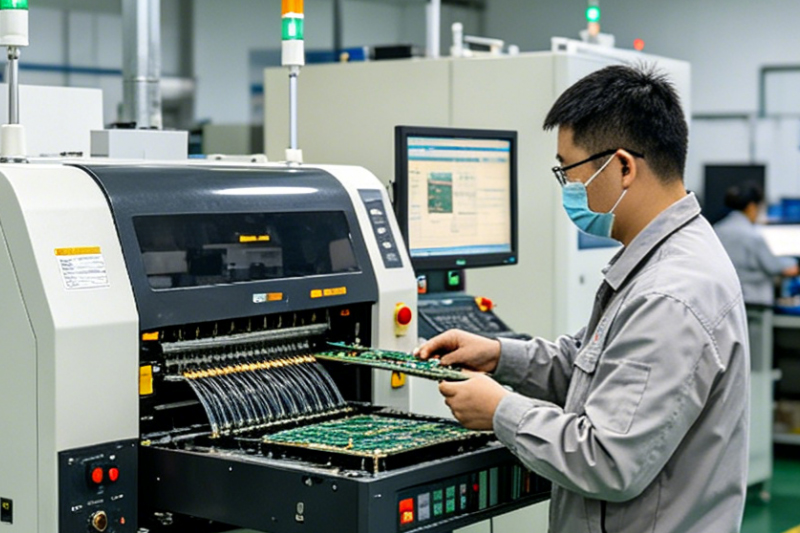
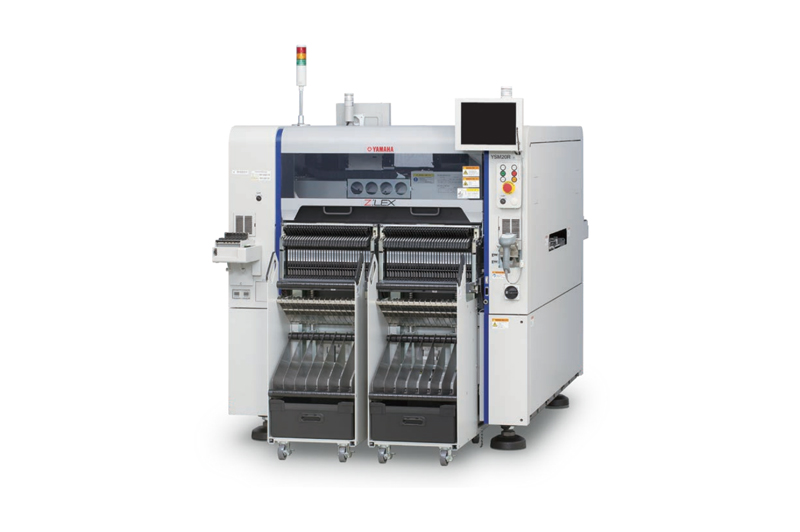
Yamaha’s modular mounters, particularly the YS12, YS24, YSM10, YSM20, and YSM40R series, are celebrated globally for their adaptability. However, as component sizes shrink to 0201, 01005, and even 008004 dimensions, the mechanical demands on the nozzle tip escalate exponentially. A minute deviation in vacuum pressure, nozzle tip alignment, or anti-static performance can lead to mispicks, component tombstoning, or electrostatic discharge (ESD) damage to sensitive low-voltage semiconductors.
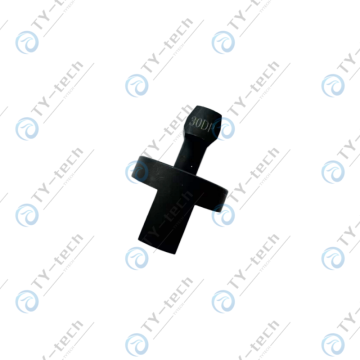
Consequently, high-quality replacement and upgrade nozzles, such as the Yamaha SKHN-M77PB-000 30PB Nozzle and the Yamaha SKHN-M77DP-A00 30DP Nozzle, are not merely consumables; they are critical engineering components that dictate the overall equipment effectiveness (OEE) of the entire SMT assembly line. During line expansion phases, deploying these specialized nozzles ensures that the upgraded machines can handle a broader spectrum of component geometries with maximum placement reliability.
To fully appreciate the impact of nozzle optimization on capacity upgrading, it is necessary to examine their performance across specific, demanding SMT application scenarios:
Small flat Small Outline Diodes (SOD) and ultra-small passive components require extremely concentrated vacuum pressure and precise mechanical geometry. The Yamaha 30PB nozzle is specifically designed to eliminate air leakage and ensure centered pick-up, avoiding component rotation during high-speed travel.
Larger surface-mount devices (SMD) and integrated circuits present a different challenge: surface area weight and susceptibility to shifting. The Yamaha 30DP nozzle utilizes a broader contact surface and optimized vacuum distribution to securely transport and mount larger components without risking mid-air release.
Modern low-voltage ICs are highly sensitive to static charges. High-grade Yamaha nozzles incorporate specialized static-dissipative materials that ground static charges safely, protecting delicate circuits from latent ESD defects that might pass initial visual inspection.
During peak production runs, mounter heads experience intense acceleration and deceleration forces. Upgraded nozzles feature wear-resistant tips (such as ceramic or diamond-like carbon coatings) to ensure dimensional stability over millions of cycles, reducing the frequency of calibration shutdowns.
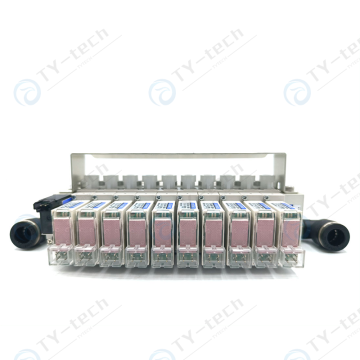
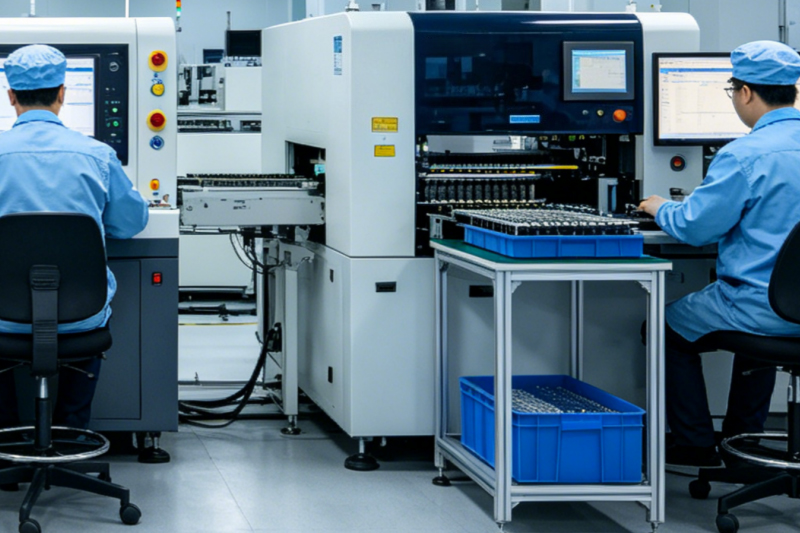
Nozzles do not operate in isolation. The performance of a Yamaha nozzle is directly linked to the responsiveness of the mounter's pneumatic system and the feeding stability of the component tape. For instance, the Yamaha YS12 YS24 Integrated Valve Bank controls the high-speed vacuum and blow actions that initiate and terminate component pick-and-place cycles. A lag of even a few milliseconds in valve response can lead to placement delays or dropped parts. Upgrading to high-response valve banks is a prerequisite for ramping up mounter speed during line expansions.
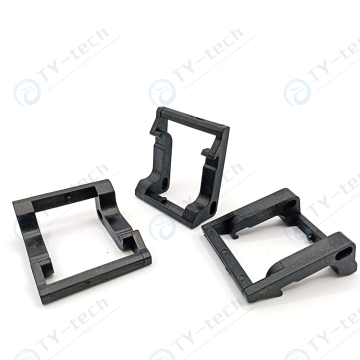
Similarly, the mechanical feeding system must support high-speed operation. Components like the KHJ-MC16U-00 Tail Cover Shields for SS8mm Yamaha Feeders ensure that the carrier tape remains perfectly tensioned and debris-free, preventing feeding jams that halt the entire line. By reinforcing the feeders with robust buckles and covers, manufacturers can sustain high-yield rates even at maximum machine speeds.
As Industry 4.0 principles permeate the electronics manufacturing sector, the SMT production line is becoming increasingly intelligent and self-optimizing. The next generation of SMT line upgrades will focus on closed-loop feedback systems where nozzles, feeders, and inspection systems communicate in real-time. For example, optical inspection systems can detect minor placement offsets and signal the mounter to adjust nozzle pick-up parameters dynamically.
Furthermore, cross-platform integration is a growing trend. In hybrid manufacturing environments, production lines may feature equipment from multiple brands. The deployment of smart peripheral interfaces, such as the Panasonic 3 Nozzle Head V2 Unit Changer Station, demonstrates the industry's shift toward fast, automated tooling changes. This versatility allows manufacturers to switch production profiles rapidly, accommodating both high-mix, low-volume runs and high-volume, low-mix runs on the same manufacturing floor.


Explore our full suite of premium nozzles, feeder accessories, and control hardware designed for Yamaha and Panasonic lines.