- Home
- Products
- About Us
- Application
- FAQ
- News
- Contact Us
Leave Your Message
Explore our premium selection of Yamaha SMT components optimized for stable tape transport and high-speed placement head operations.
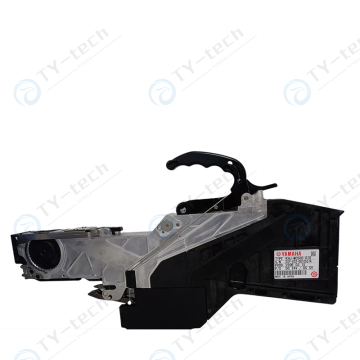
The global electronics manufacturing industry is experiencing an unprecedented surge in demand for high-quality, high-density LED displays and energy-efficient LED lighting solutions. From ultra-fine pitch micro-LED screens used in commercial advertising and virtual production stages to complex automotive LED headlight arrays and smart home illumination systems, the pressure on Surface Mount Technology (SMT) assembly lines has never been greater. At the heart of this manufacturing revolution lies the pick-and-place machine, whose speed and accuracy are directly governed by the feeding mechanism. The Yamaha Pneumatic Feeder has emerged as an industry-standard choice, offering unmatched durability, reliability, and cost-efficiency for feeding large volumes of miniature components.
In LED display board manufacturing, a single panel can contain hundreds of thousands of individual LED components (such as 0603, 0402, or even smaller SMD LEDs) packed closely together. Any feeding error, tape slippage, or mechanical vibration during the component presentation phase can lead to misplaced parts, tombstoning, or component damage. Yamaha pneumatic feeders, utilizing robust mechanical indexing and pressurized air systems, provide the precise tape pitch control necessary to sustain continuous high-speed operation. This ensures that every LED is picked clean and placed with micrometer-level accuracy, maintaining the strict optical alignment required for high-resolution displays.
The commercial landscape of SMT manufacturing is defined by two primary parameters: throughput and yield. In the highly competitive LED display market, margins are tight, and production downtime can lead to significant financial losses. SMT factories must run 24/7 to meet delivery schedules. Yamaha's pneumatic feeding systems are highly valued in this environment because of their mechanical simplicity and ease of maintenance compared to purely electronic feeders. While electronic feeders offer programmable pitch control, pneumatic feeders provide a lower initial capital expenditure and exceptional durability in high-vibration, high-dust environments typical of high-volume LED lighting production lines.
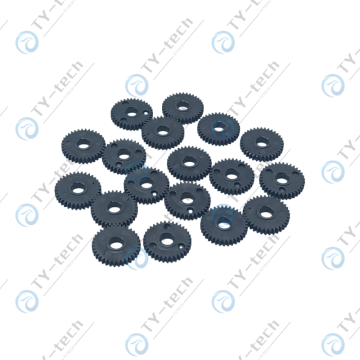
As LED display boards transition from traditional outdoor billboards to fine-pitch indoor video walls (with pixel pitches below 1mm), the size of the components shrinks drastically. Assembly lines must place thousands of tiny LEDs with absolute consistency in color temperature and spatial positioning. The mechanical stability of the feeder plays a direct role in this process. Vibrations in the feeder carriage can cause the components to shift within the pocket tape before the nozzle can make contact. Yamaha's pneumatic feeders mitigate this through optimized tape tensioning and smooth power transmission, utilizing components like the KHJ-MC134-00 F1 Gear to ensure precise tape transport without jerking motions.
To fully understand the reliability of the Yamaha Pneumatic Feeder system in LED and lighting SMT lines, we must examine the roles of various sub-systems and auxiliary components that support the pick-and-place process. A feeder does not operate in isolation; it is part of a complex, synchronized ecosystem of sensors, valves, nozzles, and signal transmission boards.
The reliability of tape indexing depends heavily on the internal gearing of the feeder. The tape transport system must advance the carrier tape by exactly the component pitch (e.g., 2mm or 4mm) with every cycle. The KHJ-MC134-00 F1 Gear is designed specifically for SS8mm Yamaha feeders, transmitting mechanical power with minimal backlash. In high-speed LED lighting assembly, where the machine places tens of thousands of LEDs per hour, this gear ensures that the pocket tape is positioned perfectly under the picking window. Any wear on this gear can lead to under-indexing or over-indexing, causing the nozzle to pick empty pockets or damage the component edges.
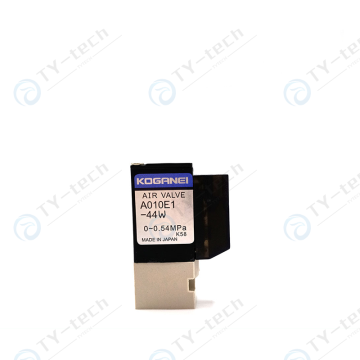
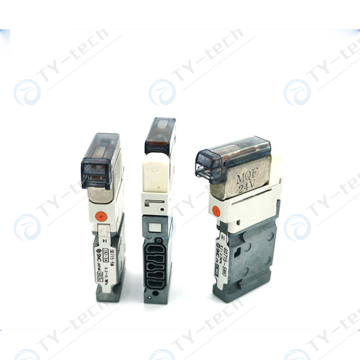
Pneumatic feeders require stable air pressure to actuate the indexing cylinder. Solenoid valves like the Yamaha KV1-M7162-30X supply the heavy pneumatic drive necessary for larger SMT feeder mechanisms (such as 24mm, 32mm, or 44mm feeders carrying heavy LED driver ICs or connector blocks). Simultaneously, valves like the Yamaha KLW-M91VB-B0 regulate critical airflow within the machine's optical and vision systems. Proper airflow ensures that the vision camera unit, which inspects the LEDs for correct alignment before placement, remains free of dust and debris, preventing false rejects and maintaining high placement yields.
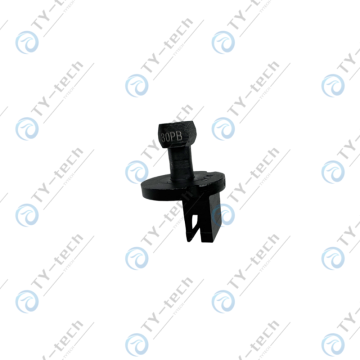
LED components come in various shapes and sizes, including dome-lens LEDs, flat-top SMDs, and complex multi-die packages. Standard nozzles often fail to create a proper vacuum seal on non-flat surfaces. The Yamaha 30PB Nozzle SKHN-M77PB-000 is engineered specifically for special-shape SMD component mounting. In LED lighting manufacturing, this nozzle handles odd-form lenses and power components with high reliability, preventing components from dropping during high-speed transit from the feeder to the PCB.
Modern SMT placement heads must communicate constantly with the machine's main controller. The Placement Head IO Signal Board KV8-M4570-014 for Yamaha YG100X and YG100XG mounters manages the signal transmission for nozzle vacuum sensors and cylinder actions. In high-speed LED display board SMT manufacturing, this real-time feedback loop is vital. If a feeder fails to present a component, or if a nozzle fails to pick it up, the IO board instantly alerts the system, allowing for auto-recovery or pausing the line to prevent empty placements on expensive multi-layer display PCBs.
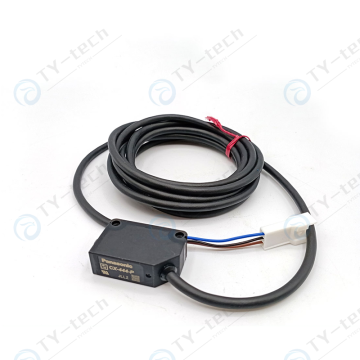
Efficient SMT manufacturing requires a continuous flow of PCBs through the printer, SPI, mounter, and reflow oven. The Yamaha KMG Series Sensor plays a critical role in detecting PCB inlets and outlets for mounters like the YSM10 and YSM20R. In long-board LED lighting manufacturing (where PCBs can exceed 1.2 meters in length for strip lighting), these sensors ensure the conveyor system accurately positions the board inside the work area, preventing collisions and ensuring the feeders align perfectly with the target placement coordinates.
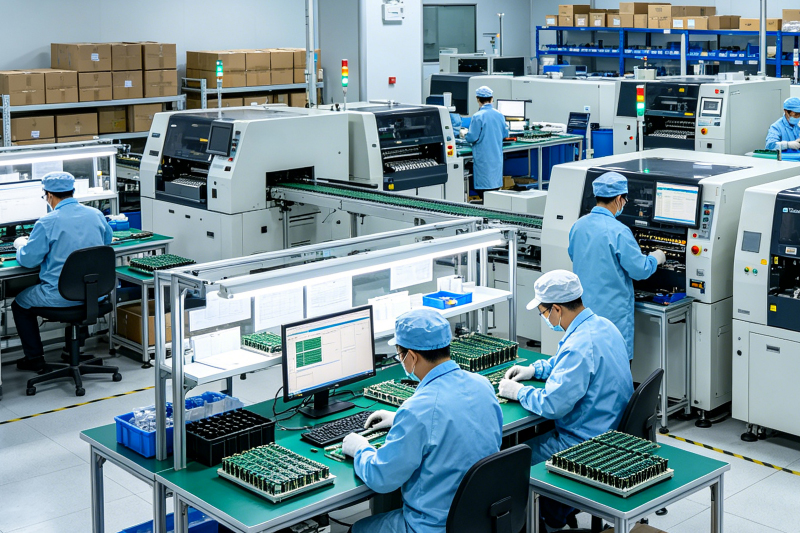
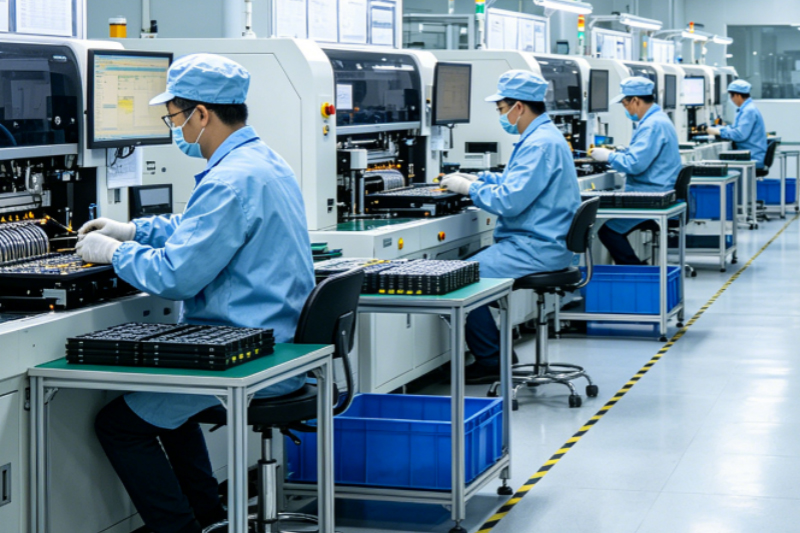
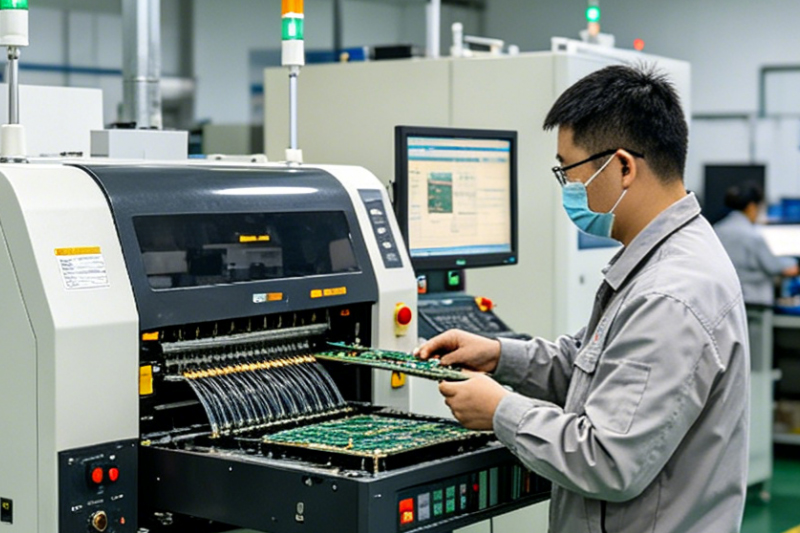
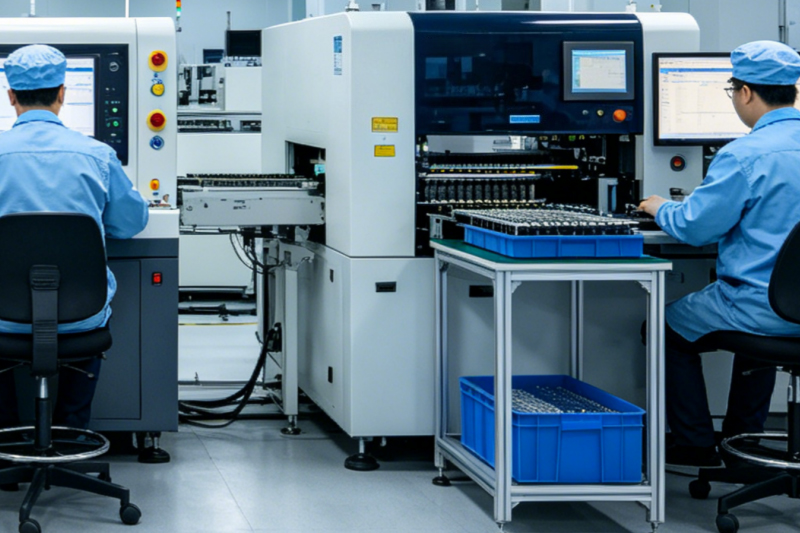
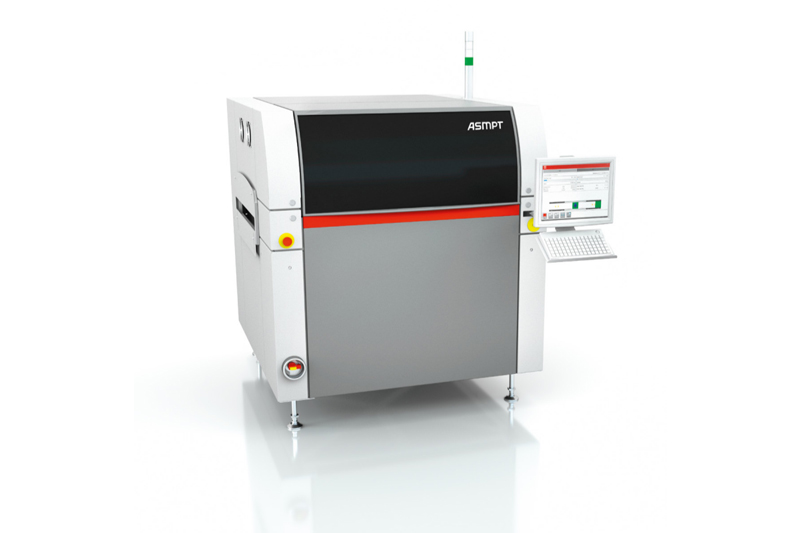
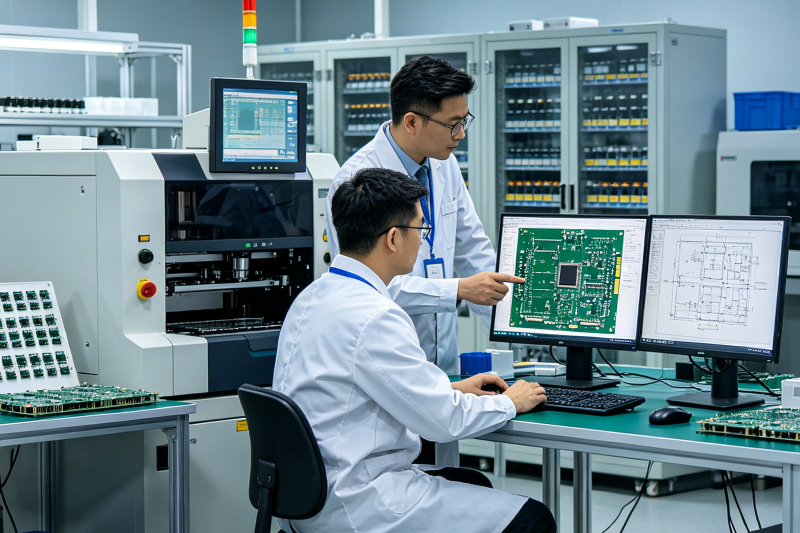
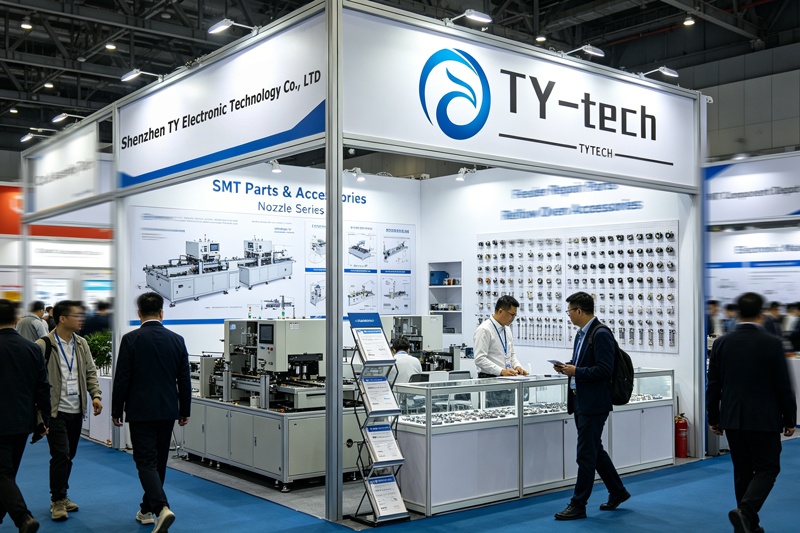
Take a virtual tour of our state-of-the-art manufacturing facility, where we develop, test, and quality-control our SMT replacement parts and feeders.

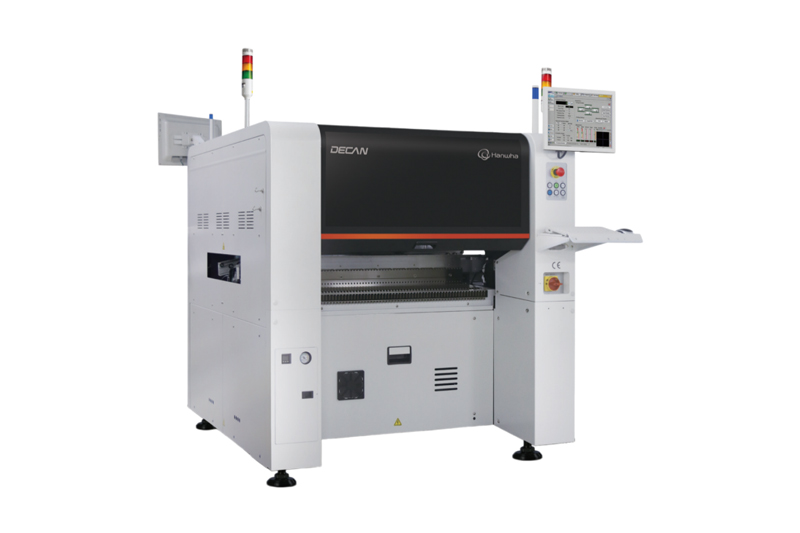
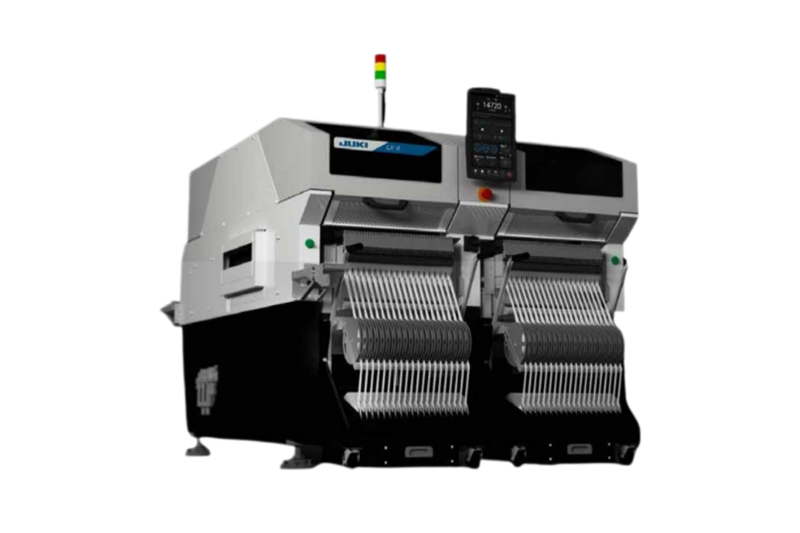
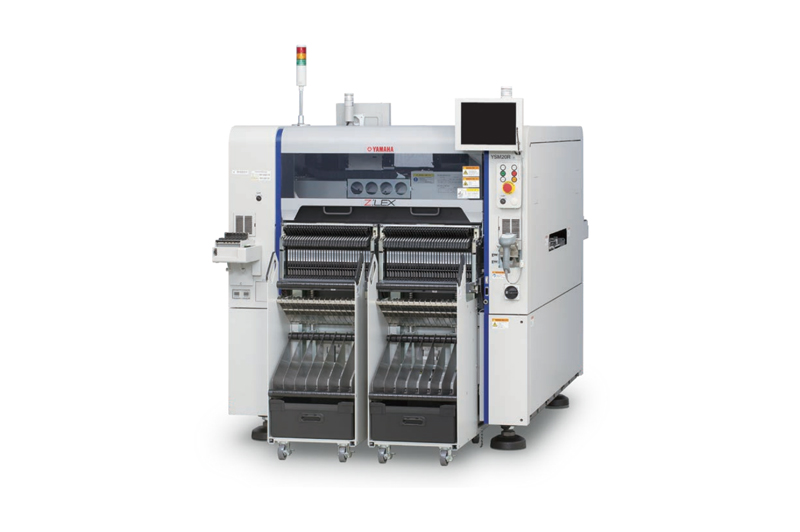



As the SMT industry marches toward Industry 4.0, several key trends are reshaping how Yamaha pneumatic feeders and pick-and-place machines are utilized in LED display board and lighting manufacturing lines:
While traditional pneumatic feeders remain the workhorse of high-volume lighting assembly due to their cost-efficiency, many advanced LED lines are adopting hybrid systems. These systems combine the high force and simplicity of pneumatic drives with electronic sensor feedback. For instance, smart sensors integrated into the feeder carriage can detect tape tension variations and automatically adjust air pressure, minimizing component mispicks. This level of control is essential for delicate components like mini-LEDs, where even minor mechanical impacts can damage the micro-die structure.
In modern SMT factories, downtime is the enemy of profitability. Future manufacturing lines rely on predictive maintenance models. By monitoring the cycle counts and air pressure profiles of pneumatic valves (like the Yamaha KV1-M7162-30X) and tracking the wear on mechanical gears (like the KHJ-MC134-00 F1), factory management software can schedule maintenance before a component fails. This ensures that feeders are serviced during planned shifts, preventing unexpected line stoppages during critical production runs.
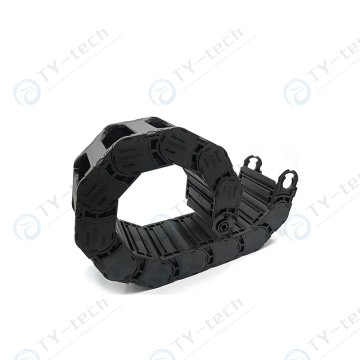
High-speed reciprocating movements of the mounter's Y-axis put immense strain on the internal cabling and pneumatic hoses. To prevent cable fatigue and signal loss, modern Yamaha mounters rely on advanced protection systems like the Yamaha KV7-M2678-00X 13-Section Y-Axis Tank Chain. This chain safeguards the complex wiring and air lines during continuous rapid acceleration, ensuring uninterrupted signal transmission to placement heads and feeders alike.
Pneumatic systems are notorious for energy loss through air leaks and inefficient compressors. SMT manufacturers are now focusing on optimizing air consumption. Precision solenoid valves and regulators (such as the Yamaha KLW-M91VB-B0) are designed to minimize air consumption during idle phases, helping factories reduce their carbon footprint and lower energy costs while maintaining high-speed production capability.
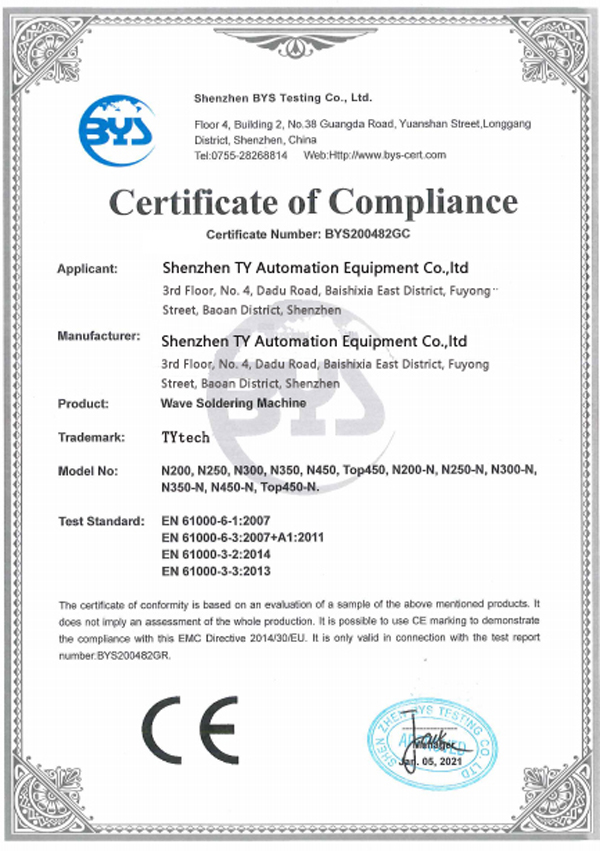
Our commitment to excellence is backed by international quality management standards, ensuring every SMT feeder and accessory meets the highest industry benchmarks.



Browse our full range of Yamaha-compatible feeders, nozzles, sensors, and structural parts designed for high-yield LED display and lighting manufacturing.